Hazardous pellets, harmful chemicals discharging to Congaree River, group says
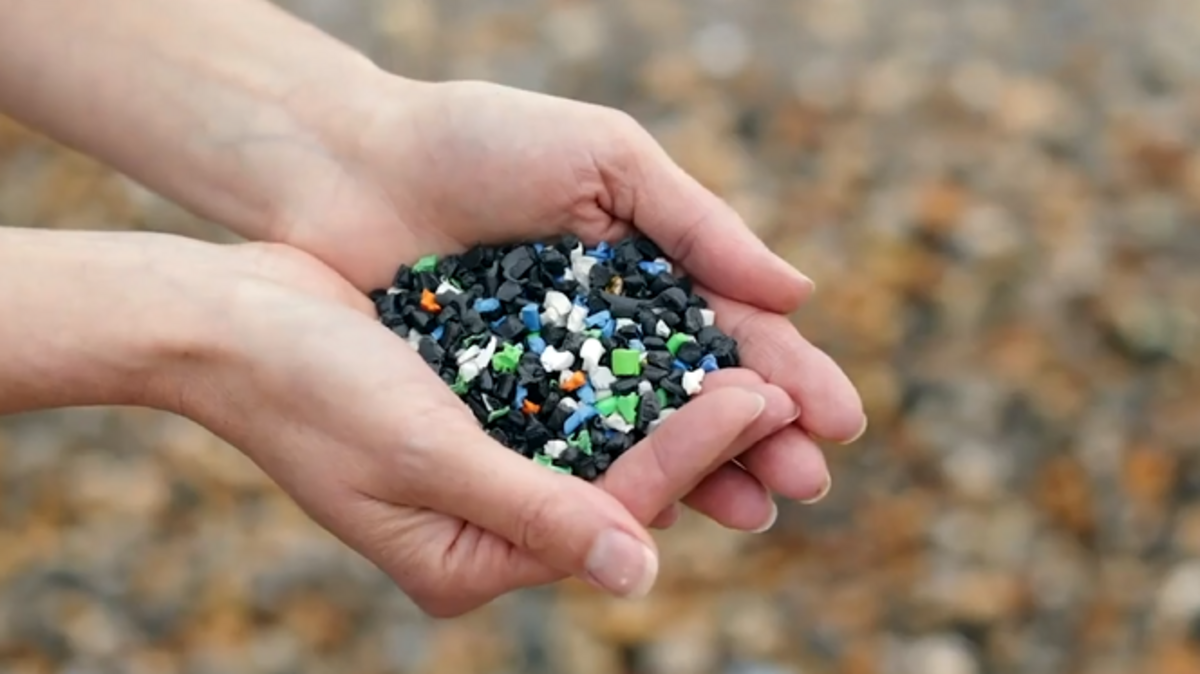
Potentially thousands of tiny plastic pellets have leaked into the Congaree River, littering the waterway south of Columbia and raising concerns about the toxic effects they could have on wildlife and water quality, as well as people who spend time on the river.
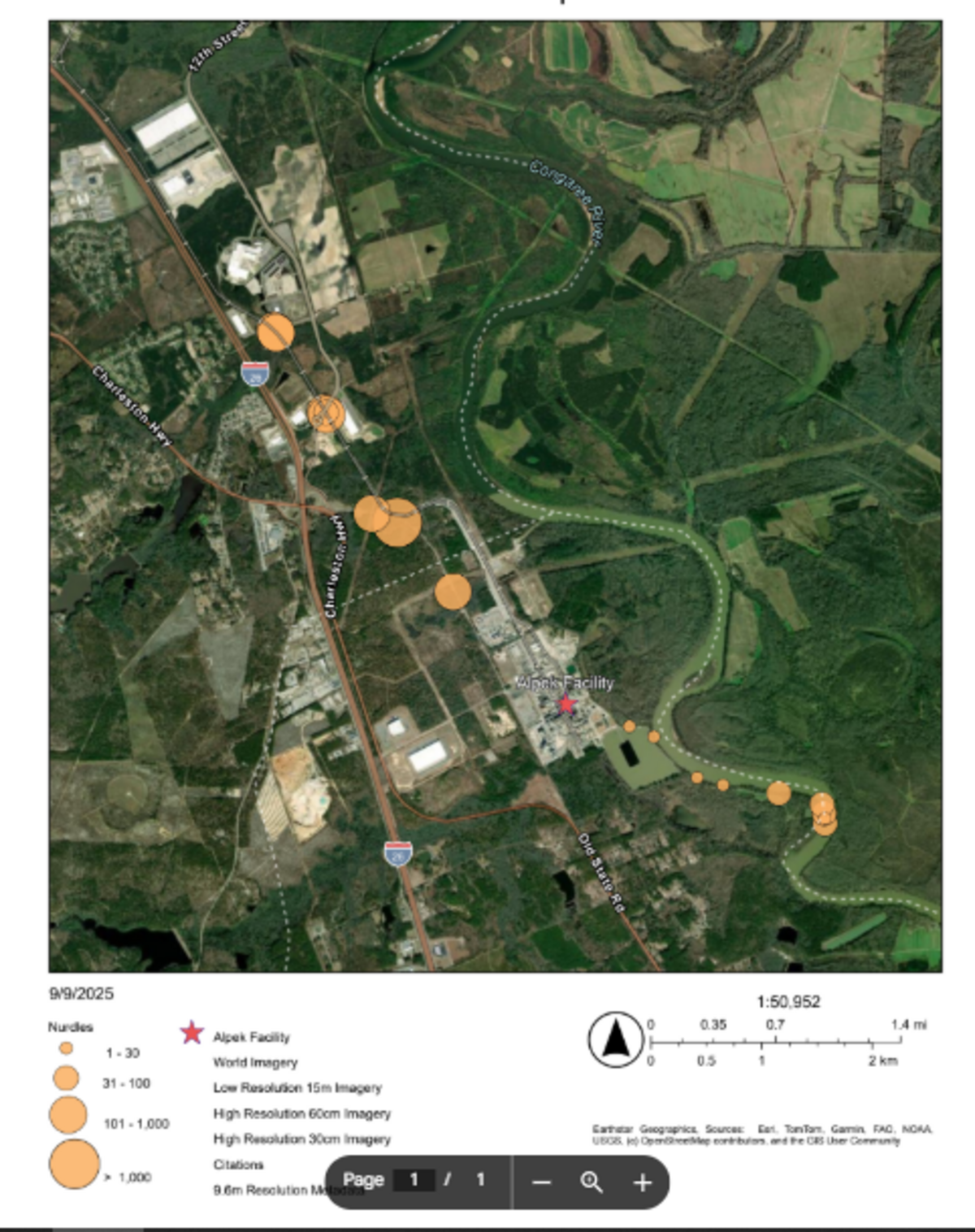
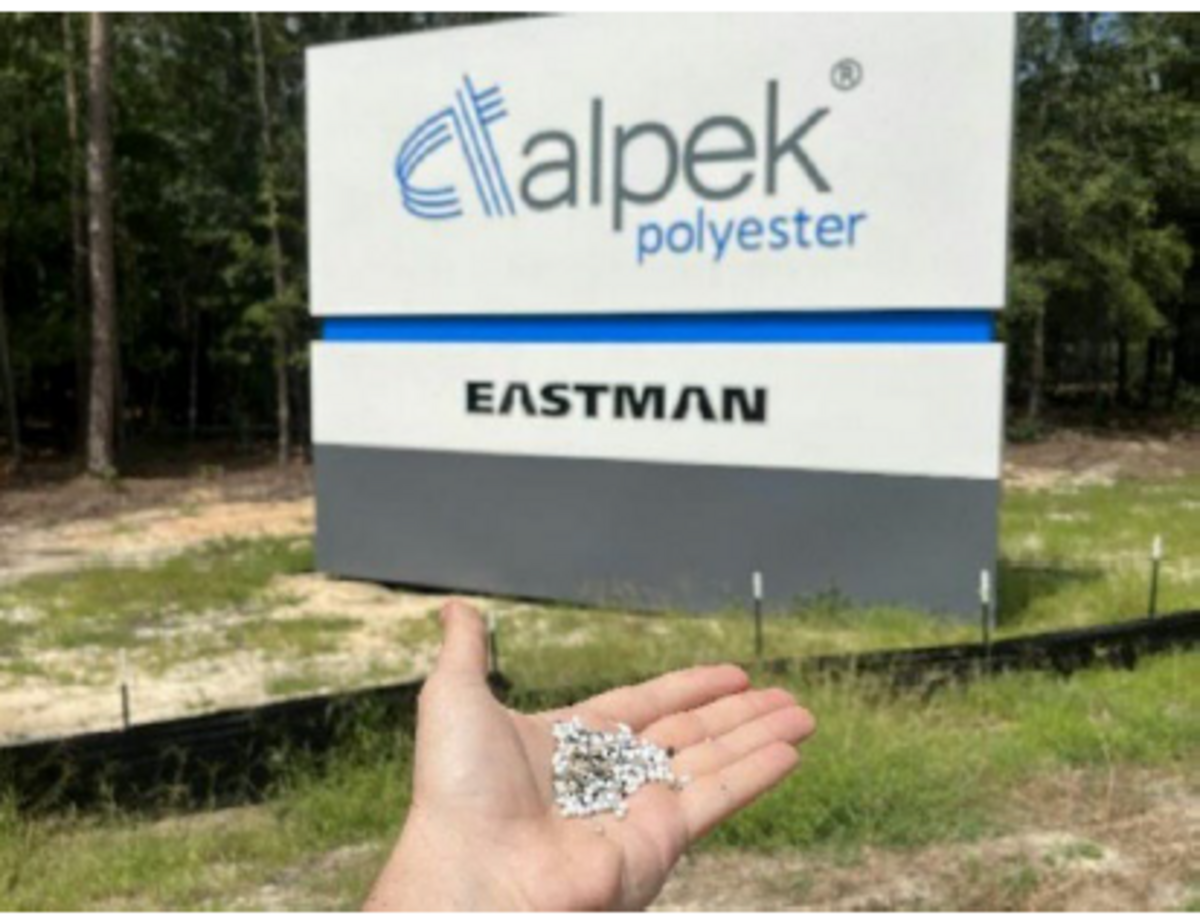
A Columbia area environmental group says it discovered the pellets in and around the Alpek Polyester-Eastman Chemical manufacturing plant during an investigation that began last winter. Now, the Congaree Riverkeeper organization says it will sue the companies if the facility doesn’t stop the flow of pellets and a cancer-causing chemical in the next three months. The group notified company officials of its intent in a letter Wednesday.
The pellets, known commonly as “nurdles,’’ are produced and used in the manufacturing of a variety of plastic products, ranging from soft drink bottles to food packages.
Bill Stangler, who heads the Congaree Riverkeeper group, said toxins in the pellets could get into the river as the small plastic nurdles break down into what are known as microplastics, even smaller flecks of plastic that are being found across the country in waterways..
That could not only affect water quality in a river that attracts recreational boaters and anglers, but the pellets also are believed to be eaten by fish and birds that mistake them for food, he said. Nurdles can release toxins into fish that people consume, he said.
“Nurdles can act as a chemical cocktail,’’ Stangler said. “They are harmful to wildlife. These are small BB-sized things on sand bars and in the river.’’
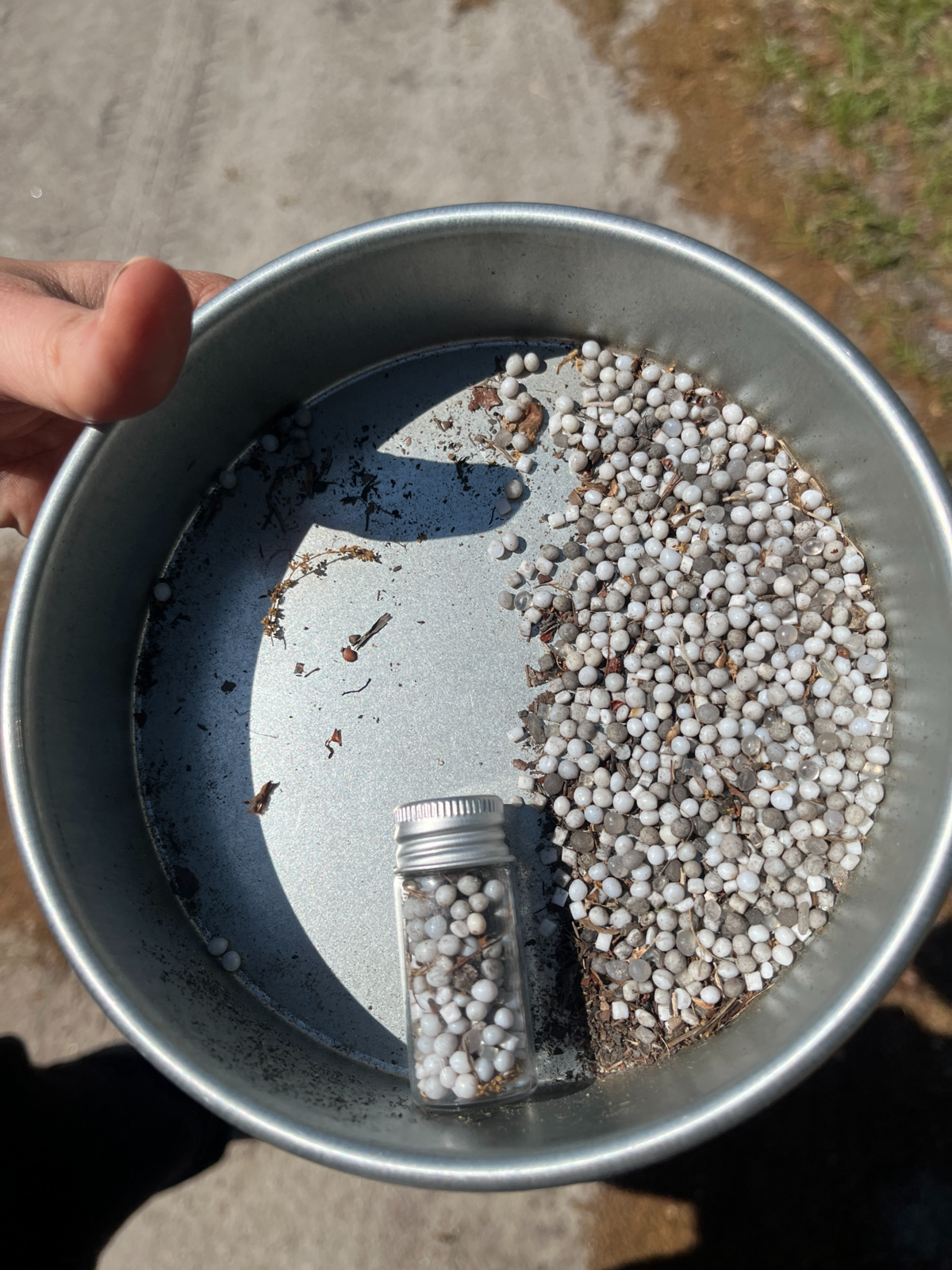
Stangler told The State that his organization found hundreds of nurdles in the river and thousands around the Alpek plant, indicating more have been released into the Congaree than his group was able to document. Extensive amounts of nurdles also have been found on a road in front of the Alpek plant, he said. The discovery was made in February, environmentalists said.
Efforts to reach Alpek and Eastman were unsuccessful. A spokeswoman for the state Department of Environmental Services, the agency charged with preventing pollution in South Carolina, said late Wednesday afternoon that the agency was not aware of reports of plastic nurdles in the river until asked about it by The State.
But SCDES spokeswoman Laura Renwick said the agency will investigate. It will conduct an inspection at the plant site, she said. In addition, she said the agency is considering adding restrictions on the release of 1,4 dioxane, the cancer-causing chemical that the riverkeeper said also is being released into the Congaree from the Alpek plant.
Alpek, a worldwide corporation with nearly 4,000 workers, says it is the planet’s second largest producer of a plastic resin used by industry. The Congaree River plant, located in the Gaston area, was once known as the Carolina Eastman or DAK Americas facility. In 2010, news reports show that Alpek acquired the Eastman facility, although environmentalists say the Eastman company still has a production presence there.
The nurdles are being discharged without government approval, as is 1,4 dioxane, a chemical tied to an array of health effects in people, according to the Congaree Riverkeeper and the Southern Environmental Law Center, which is representing the riverkeeper as legal counsel.
Concerns about 1,4 dioxane releases from Alpek follow a 2024 study by the Environmental Integrity Project. The report found discharges of the chemical — identified as a probable human carcinogen — to be larger at the Alpek facility than a handful of other major sites examined across the country. Environmentalists criticized the S.C. Department of Environmental Services for not making sure the factory controlled the discharges of 1,4 dioxane.
Meanwhile, the riverkeeper and law center say they’ve found violations of wastewater discharge limits on substances that suck up oxygen from the river. In this case, SCDES says it has taken enforcement action, hitting Alpek with an $8,000 fine in June after several spills and problems with the Alpek wastewater plant.
Pollution from the Alpek-Eastman plant violates the federal Clean Water Act and the Resource Conservation and Recovery Act, which could subject the companies to fines of more than $90,000 per day, according to a news release the riverkeeper and the law center sent out Wednesday
Because the Department of Environmental Services has not enforced the law adequately enough to satisfy environmentalists, they are legally allowed to sue to force compliance with federal water pollution and toxic waste laws.
Other environmental groups have won victories over nurdle pollution in recent years, including one in the South Carolina Lowcountry that produced a $1 million settlement. Nationally, lawsuits have been settled from California to Pennsylvania. In the latter case, a plastics company recently settled a nurdle pollution case for $2.6 million.
The discovery by the riverkeeper group of nurdles in the Congaree follows major issues in Charleston about five years ago over the release of nurdles into the ocean. The pellets were spilling from the Port of Charleston near the historic city’s waterfront, according to previous reporting by The State.
One company that was renting a pier at the port, Frontier Logistics, settled a lawsuit by the Charleston Waterkeeper organization and the Coastal Conservation League in 2021 for $1 million. The company did not admit fault, but the payment was to be used for projects to benefit Charleston harbor and the environment.
The problem in the Lowcountry was brought to light in stories published by The State in 2020 and 2021, as well as other media outlets.
Despite efforts to halt the nurdle pollution in the Charleston area, the pellets are still being found in the environment. Since 2019, the Charleston Waterkeeper and others have collected some 28,000 nurdles, the Charleston newspaper, the Post and Courier, reported earlier this year.
In the Columbia area, the spot where the nurdles have shown up is well below drinking water intakes in and around the capital city, but it is above Congaree National Park, a wildlife-rich refuge in Hopkins and a regional drinking water plant at Lake Marion about 50 miles downstream.
The Congaree River runs past downtown Columbia into the Wateree River to form the Santee River. That river then flows into the state’s largest reservoir, Lake Marion in Sumter and Clarendon counties.
The letter from the SELC and the riverkeeper to Alpek and Eastman says that “Since at least Feb. 28, 2025, and almost certainly before then, the ..... plant has been releasing nurdles in substantial quantities onto the lands and waters surrounding the plant.’’
“What we see at the Alpek-Eastman Plant is a ‘who’s who’ of illegal pollution: plastics littering the area that can lodge in fish and people; large discharges of a toxic chemical; and high levels of organic pollution,” according to a statement Wednesday from Carl Brzorad, an attorney at the Southern Environmental Law Center. “We’re prepared to take this to federal court if Alpek and Eastman don’t clean up their act.”
This story has been updated with information about potential fines, as well as with comments by the Department of Environmental Services.
This story was originally published September 10, 2025 at 11:33 AM.