
Toxic ‘forever chemicals’ found in SC crops you might eat. Here’s what to know
Yale researchers have detected cancer-linked “forever chemicals” in six crops grown on a South Carolina farm that once used contaminated sewer sludge as fertilizer. The findings raise fresh concerns about food safety and farmland pollution in a state that has done little testing on the issue.
FULL STORY: Chemicals with toxic bite found in SC crops years after farms used tainted fertilizer
Here are key takeaways:
- Scientists found PFAS, or “forever chemicals,” in collards, okra, corn, squash, butter beans and hay on a Darlington County farm. The chemicals are linked to certain cancers, thyroid problems and weakened immune systems.
- Hay tested at more than 19,000 parts per trillion and collards at 4,000 parts per trillion — levels the lead researcher called concerning. For comparison, the federal government plans to limit two types of PFAS in drinking water to just 4 parts per trillion.
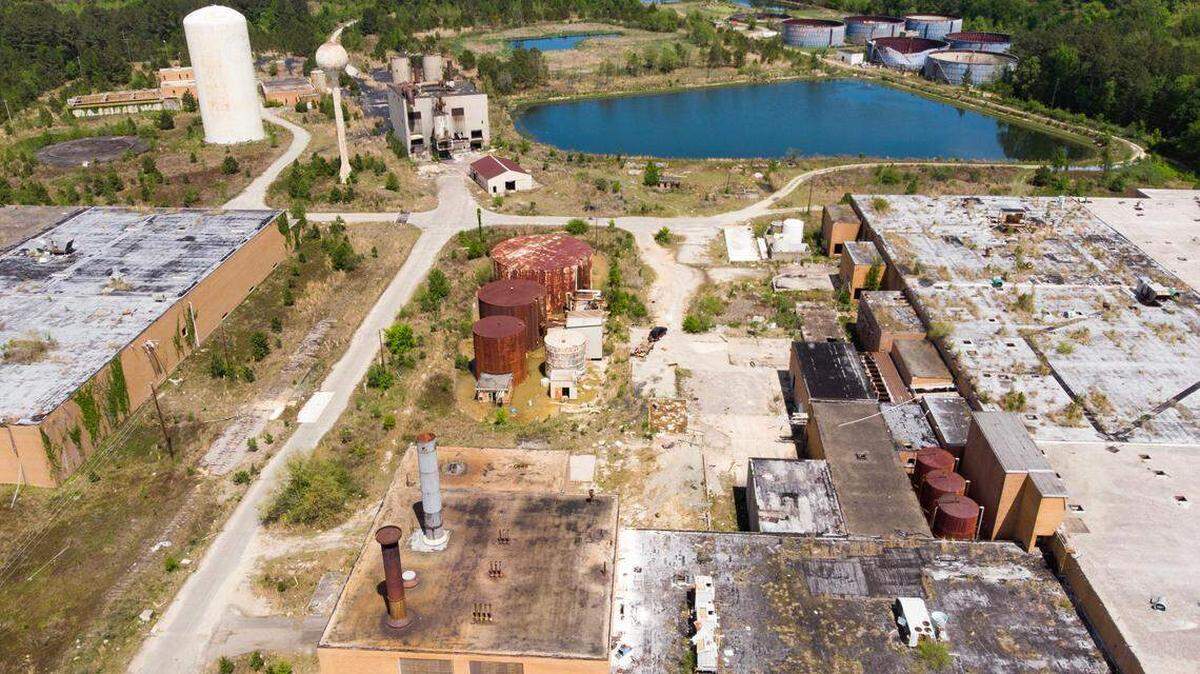
- The contamination traces back to sewer sludge from the old Galey and Lord textile plant, which was spread as cheap fertilizer on up to 10,000 acres of Darlington County farmland from the early 1990s until 2013. Statewide, sludge has been approved for use on at least 80,000 acres.
- Cattle that eat contaminated hay can pass PFAS into beef and milk sold to consumers. Farmer Robbie O’Neal has switched cattle feed and plans to grow collards only in untainted fields this fall.
- South Carolina does not require testing of sludge spread on farmland or the crops grown there, and there are no state or federal rules setting safe PFAS levels in food.
The summary points above were compiled with the help of AI tools and edited by journalists. The full story in the link at top was reported, written and edited entirely by journalists.

Sammy Fretwell
The State