
‘Scared Straight’ creator takes on critics, contending success stories abound
Misguided, abusive and potentially harmful.
That’s how six experts characterized a program in Chester County, S.C., that is designed to scare at-risk youths into better behavior.
A Rock Hill Herald photographer observed the program in June 2018 and in January, and the Charlotte Observer and Herald shared video from those visits with the experts.
In the video, the county sheriff’s deputies who run Project S.T.O.R.M. program can be seen pushing and grabbing children. The youngest child in the video was eight. Deputies also can be seen yelling in the youths’ faces, cursing and ignoring their cries for breaks during rigorous outdoor workouts.
During the June session, deputies surrounded a boy as they forced him to repeatedly flip an oversized tire. When the teenager paused, a deputy pushed him on top of the tire and yelled: “Ain’t nobody tell you to stop, son!”
Moments later, deputies made the boy squat against the fence, holding a traffic cone. The boy, apparently exhausted, lowered the cone and asked if he could run laps instead. A deputy shoved him into the fence. Then he and another deputy got within inches of the boy’s face and yelled.
“You had the God-dern opportunity, but you let it go!” one deputy shouted. “Now you sit over here and God-dern suffer.”
Dr. Desmond Runyan, a pediatrician who has extensively studied child abuse and co-founded a comprehensive child abuse center in Chapel Hill, said he believes such treatment is “likely to create more delinquents than it helps.”
“If a parent did this, there is no question that I would be making a report to Child Protective Services,” he wrote in an email to the Observer. “I believe that this video documents child abuse by these officers.”
Ross W. Greene, a child psychologist who taught at Harvard University and authored the book “The Explosive Child,” said that trying to compensate for developmental skills and other unsolved problems by scaring a young person is the equivalent of treating heart failure with antibiotics.
“I’d refer to it as state-sanctioned child abuse,” Greene said.
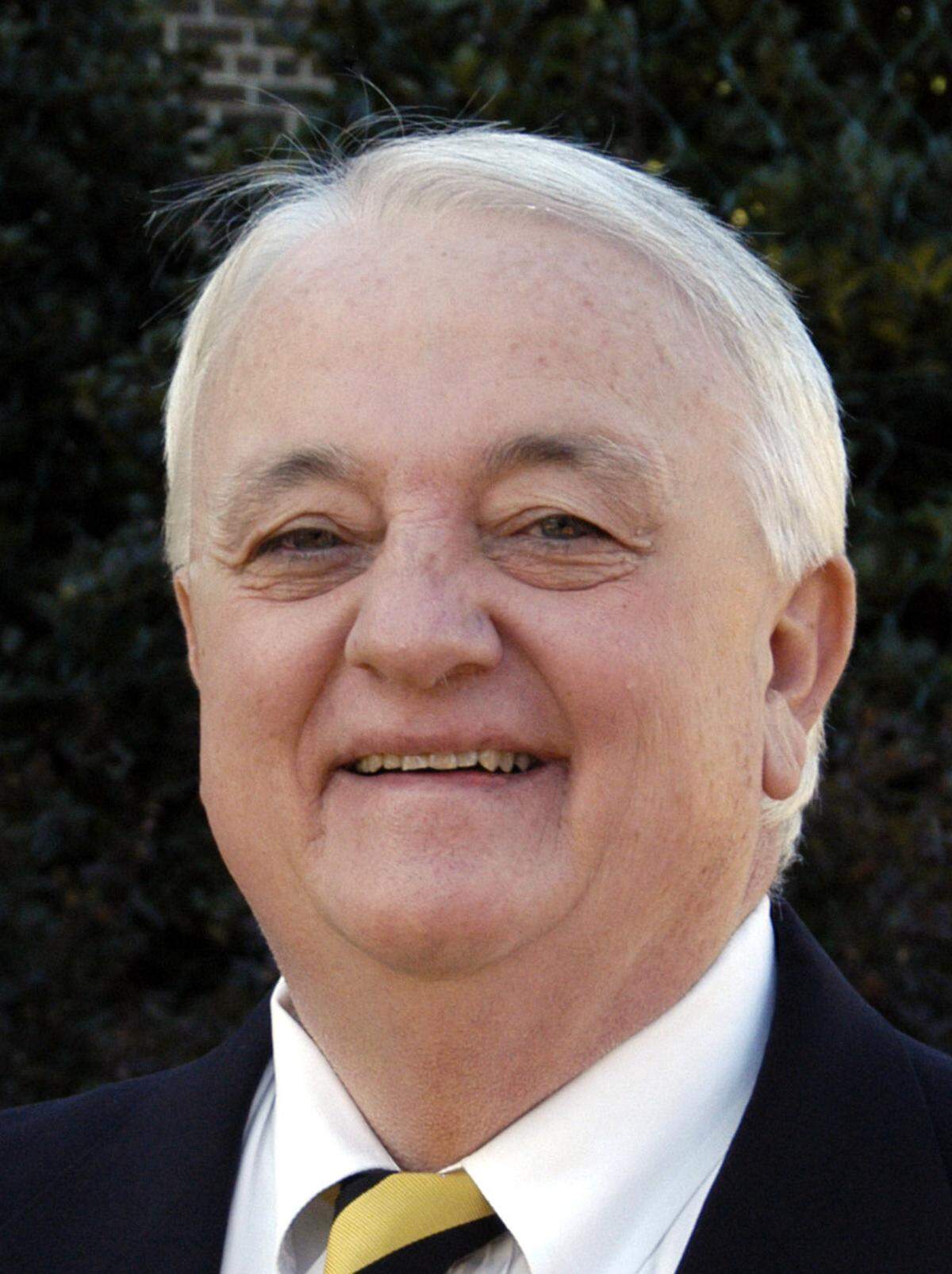
Michael Teague, a psychologist who was in charge of providing mental health treatment in North Carolina’s youth prisons in the early 1990s, said the Chester County program appeared to put some youths at risk of physical injury.
He noted how one deputy grabbed beneath a teen’s throat and jerked him to his feet, and how another yanked the legs out from underneath an overweight child, causing him to fall on his buttocks.
“In my several years with the North Carolina Youth Development Centers, none of the above questionable behaviors would be tolerated,” he wrote in an email.
“Do we want to tear children down?” Teague asked. “This does not seem to be a component of any acceptable child instruction and discipline.”
New York child psychiatrist Roy Lubit said the behavior of the deputies makes them “terrible role models.”
“The kids are being shown that it is OK to abuse other people,” Lubit said.
Kenneth Dodge, a child psychologist who formerly headed Duke University’s Center for Child and Family Policy, said the Scared Straight-style approach is based on the mistaken assumption that delinquent behavior is a matter of choice.
“It’s not a matter of choice. It’s a matter of skills, social competence to get through the day,” Dodge said. “You don’t will that. You have to learn it.”

Chester County Sheriff Alex Underwood disputes that his program is harmful or abusive. He said he puts more stock in what he hears from the parents of youths in the program than what psychologists say. And he said he has never heard a negative response from parents.
“The mission is to keep the kids from going to prison,” Underwood said. “And if (psychologists) want to say it’s abuse, then they need to do a study on the prison system itself and see what inmates do to youth when they come into the system. To see how they’re exploited.”
Anthony Petrosino, director of the WestEd Justice and Prevention Research Center in San Francisco, said such programs appeal to the common belief that getting tough with troubled kids will help straighten them out.
“I suspect the sheriff is trying to do the right thing,” he said. “But there are other things they could do that might be more effective and less harmful.”
Do the programs work?
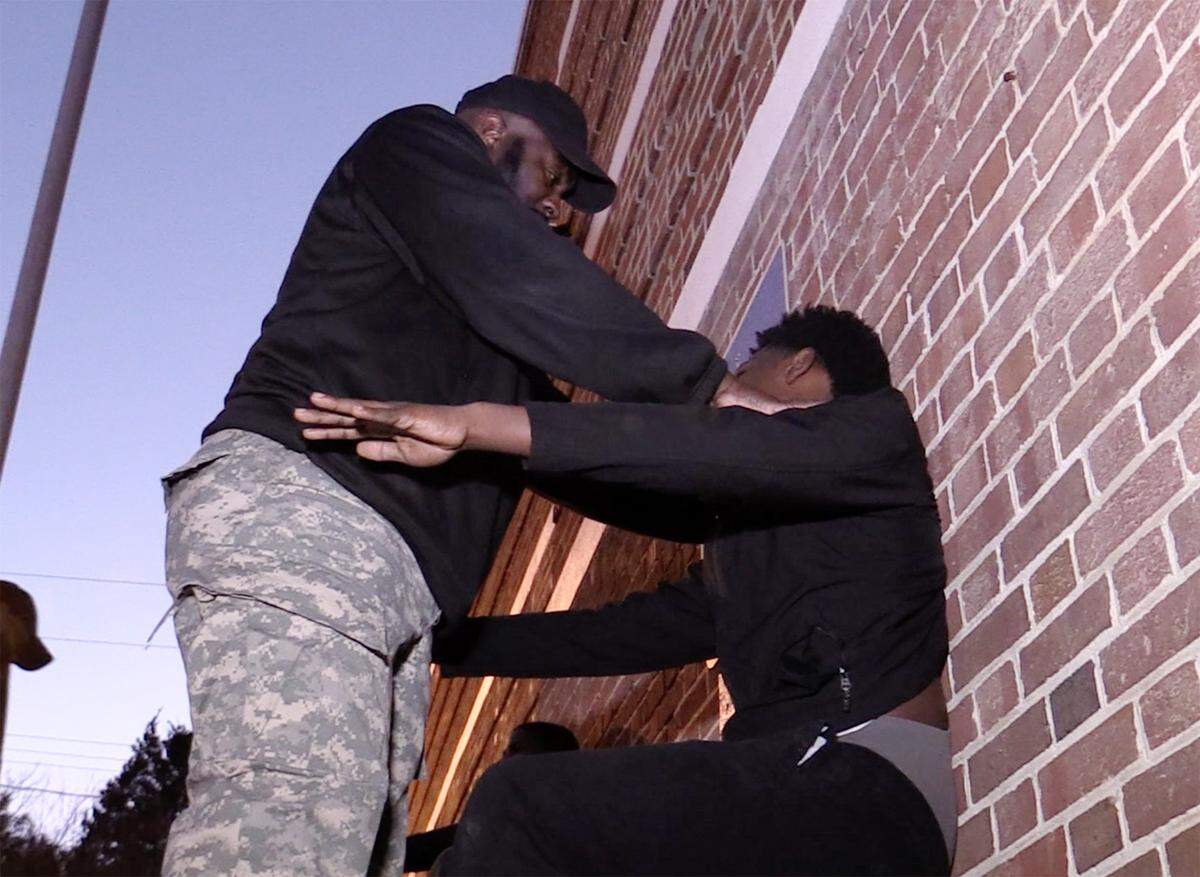
Many experts interviewed by the Observer and the Herald also pointed to research showing that Scared-Straight-style programs like Chester County’s tend to be ineffective, if not harmful.
Tip Frank, a Rock Hill child psychologist, said that such programs could make matters worse for youths who already suffer from mental or emotional problems.
“It could really set someone back,” said Frank, who has written books on psychological problems in children.
James Finckenauer, a professor emeritus at Rutgers University’s School of Criminal Justice, has for years studied prison awareness programs. He said that for children as young as 8, such programs amount to “mental brutality, mental abuse.”
Naomi Smoot, executive director at the Coalition for Juvenile Justice, said prison awareness programs could cause further trauma for at-risk children.
“Often young people that have come in contact with the justice system have experienced multiple previous traumas and when we put folks into situations where we are trying to frighten them into doing what we think they should be doing, that exposes them to further trauma,” Smoot said. “There is no evidence that shows it works, actually quite the contrary.”
Arnold Shapiro, the retired television producer who created the 1978 documentary “Scared Straight!” and, later, “Beyond Scared Straight,” would not grant the Observer’s request for an interview. But in an email to the newspaper, he criticized the academic studies of Scared Straight programs, saying that none followed the same youths over any significant period of time.
After producing “Scared Straight!,” Shapiro followed up 20 years later to see what became of the 17 teens. One had died of a drug overdose. One was in prison. One had done time for a bookmaking scheme. And 13 of the 17 had “turned their lives around, ” Shapiro wrote.
“And many of them attributed the deterrence program they experienced as the reason and motivation for changing,” Shapiro wrote.
But Petrosino, the criminal justice researcher, said that Shapiro’s follow-up of youth in Scared Straight would not be viewed as credible evidence in the scientific community because he did not examine a valid comparison group.
Shapiro contended most of the studies questioning the effectiveness of Scared Straight programs were done many years ago, before counseling was introduced as a component in such programs.
“Finally, in following the hundreds of kids we followed on our series, we never found one case where participating in the program made them worse or harmed them,” Shapiro wrote.
This story was originally published February 26, 2019 at 10:10 AM with the headline "‘Scared Straight’ creator takes on critics, contending success stories abound."
.JPG)