
Lexington County has had great success NOT taking stray cats to the shelter. Here’s why
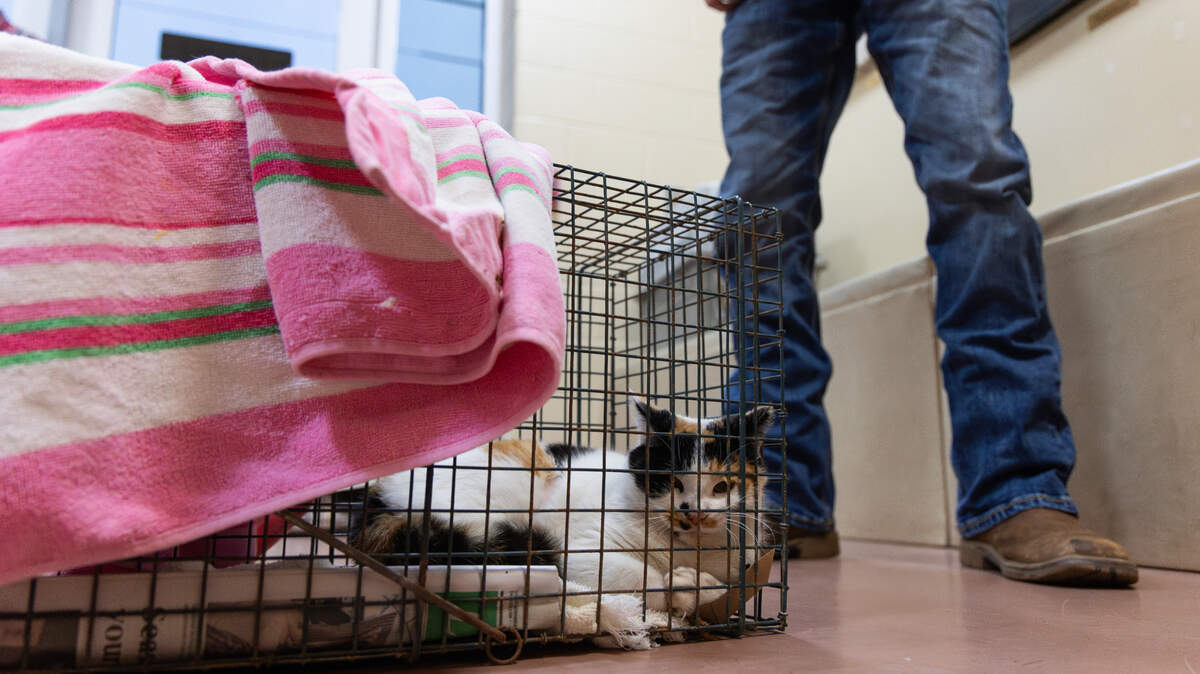
On top of work and family, Tanya Kinsland is also responsible for feeding and caring for 15 feral cats. For more than a year and a half now, she’s been feeding the cats living at an abandoned property off Lexington’s West Main Street.
“I was going to Food Lion when I just so happened to look over at this abandoned house and there was a tiny kitten on the banister,” Kinsland said. “I got out to try to catch this kitten, and all of the sudden cats started coming out of everywhere.”
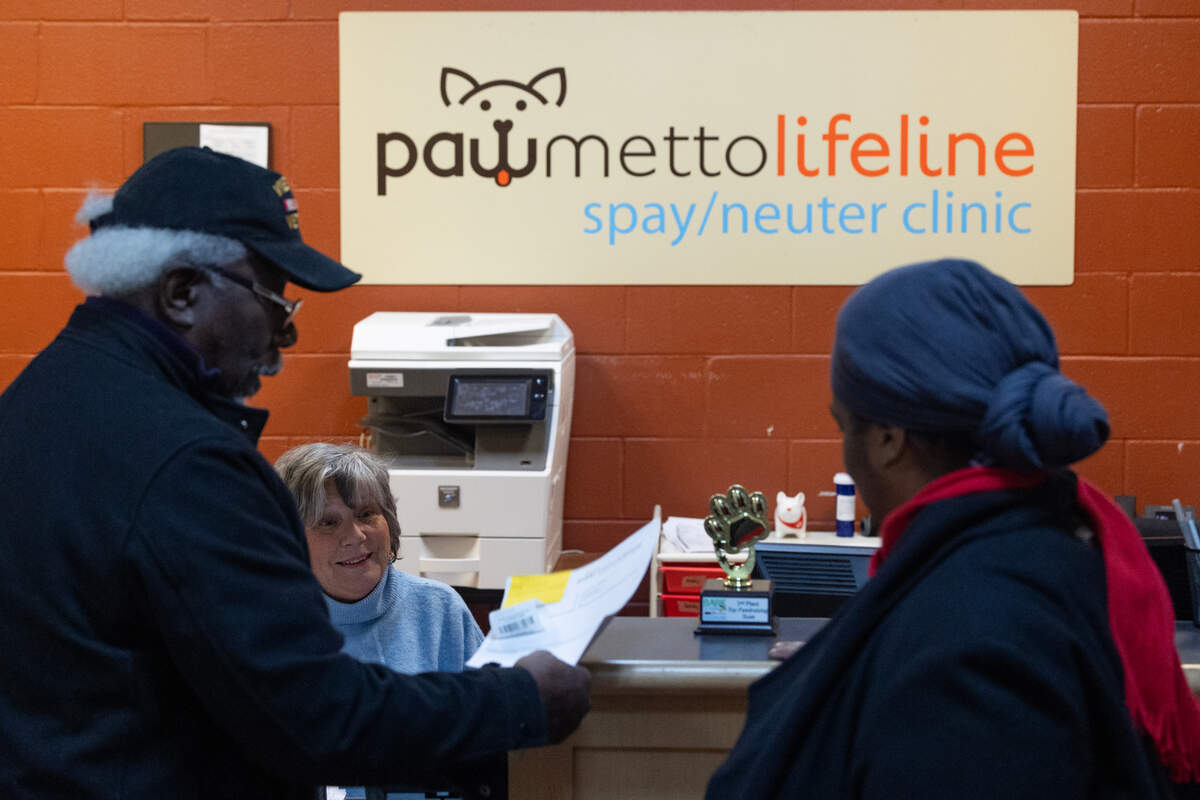
So she set about the painstaking work of catching each of these wild cats and getting them spayed or neutered at Pawmetto Lifeline, the animal protection organization that runs a clinic on Bower Parkway. She’s one of many people who have taken advantage of the organization’s community cat program in the years since Lexington County adopted a new policy for dealing with the county’s stray cat populations.
In 2017, Lexington County handled 2,391 stray cats at its animal shelter. Since feral cats aren’t considered adoptable, many of those cats were destined to be euthanized.
“People used to bring us cats by the truckload, literally,” said Brittany Jones, the county’s animal services director.
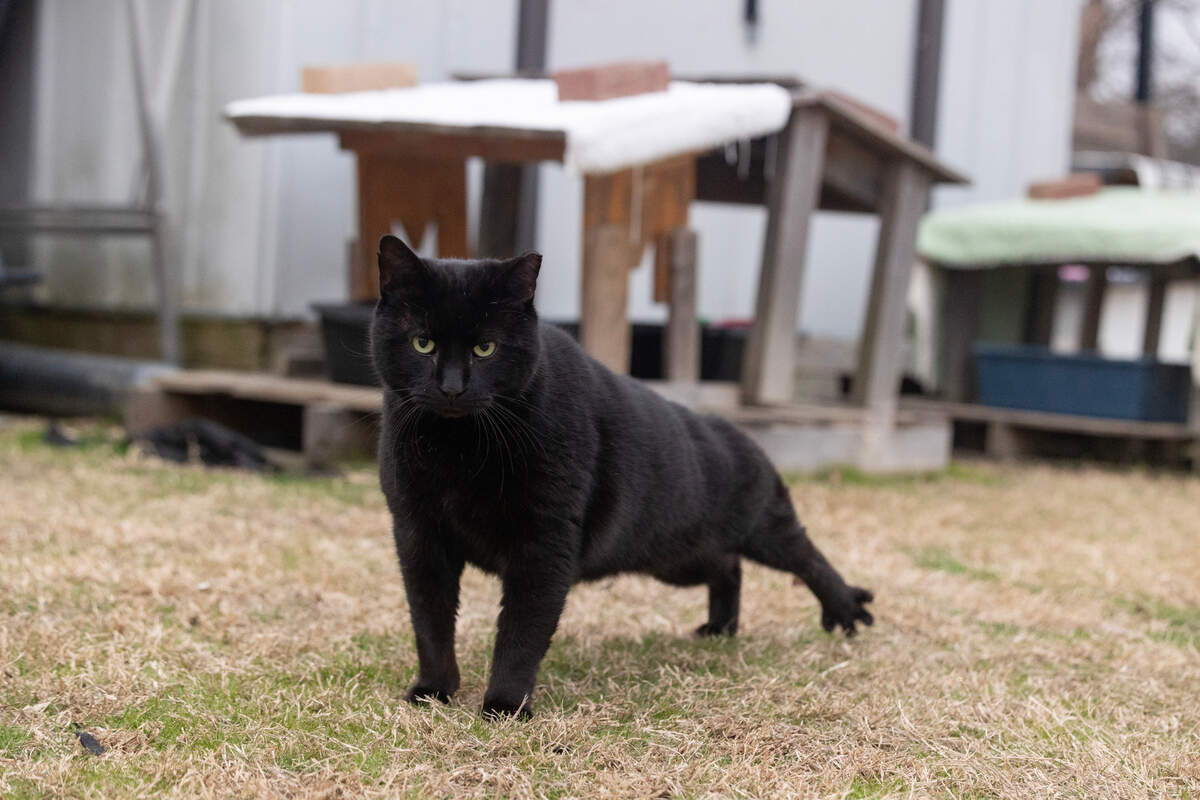
That year, Lexington County adopted an ordinance requiring a trap, neuter and release policy toward stray cats, in partnership with Pawmetto Lifeline. Now, strays are allowed to live out their lives on their own terms, while widespread spaying and neutering ensures the feral cat population doesn’t grow.
In the seven years since the ordinance was enacted, the county’s animal shelter has averaged around 350 cats a year, a decline of 85% from before the community cat program was introduced. Many of those cats are neglected, abandoned or injured, or were reported as a nuisance.
Denise Wilkinson, Pawmetto’s CEO, said the organization has handled 17,800 cats from Lexington County alone as part of its community cat program.
“They used to have a 76% euthanasia rate, so immediately it went to a less than 1% euthanasia rate,” Wilkinson said. “Most are altered and returned, and if they’re kittens we put them through for adoption.”
By law, if someone like Kinsland feeds a stray cat, they become responsible for bringing them in for the procedure. Pawmetto Lifeline can provide cat traps for securing stray felines and can give vouchers for getting the surgery, if a cat sitting is reported to communitycat@pawmettolifeline.org.
“We work with each person where they are,” the CEO said. “If they can pay hopefully they will, for others who cannot afford it.”
But Kinsland said she bought her own traps to help her wrangle the cats she’s been feeding. So far, she’s captured seven cats for altering, plus adopted out nine kittens from the colony, not counting two she adopted herself. She estimates she spends more than $500 a month to care for all of her cats.
Now many of the cats who do wind up in the Lexington County animal shelter are “nuisance” cases who trespass or destroy property. Even in those cases, Jones said, animal services tries strategies to deter unwanted cats from entering an area.
“With that process, it’s definitely helped out the shelter as far as the amount of cat intakes that we’ve had,” Jones said.
But Kinsland still wishes there were more convenient options for managing the area’s cat population. Instead of having to transport her captured cats a dozen miles to Pawmetto Lifeline on Bower Parkway, she wishes a similar service could be provided within the town of Lexington.
“Lexington is a wealthy county, it’s not we like couldn’t do this,” she said.
Kinsland’s made her own sacrifices to be able to care for her cats. Her sister now lives at the beach, but Kinsland said she’s never been able to visit her there because it would take her away from the cats for too long. It’s worth it, she says, to be able to help such vulnerable creatures.
“I’m dedicated,” she said. “I get a lot of happiness out of it.”
This story was originally published January 13, 2025 at 8:22 AM.
.jpg)