
Columbia museums struggle to get visitors back in person. How are they coping?
Museums around the world are struggling to get visitors back in their doors, and Columbia museums are no different.
The New York Times reported this month that European museums such as the Louvre in Paris and the Van Gogh Museum in Amsterdam have been open since May, but have seen only fractions of the visitors that traditionally piled inside the cultural institutions.
Columbia museum directors have seen the same trend. During the pandemic, visitors are barely trickling in to see the exhibits.
Local museums are funded through a combination of state and city dollars, admissions and event rentals and grants and fundraisers. All of these revenue streams have been cut due to COVID.
Amy Bartow-Melia started as the director of the South Carolina State Museum at the end of August, a little after the museum reopened in June. Bartow-Melia left the Smithsonian American History Museum in Washington, D.C., where she worked for 23 years and saw the same struggles across the industry.
“As all other museums in the country, we’re looking at ways to look at and diversify our funding sources, especially this year,” said Bartow-Melia.
The S.C. State Museum gets 60% of its normal annual budget from the state and 2% from the city. City funding was cut this year in addition to the 30% earned revenue from ticket sales and events.
Even with COVID precautions in place, such as capacity limits on visitors, social distancing and removing interactive, high-touch exhibits, the museum can host hundreds of people at a time in the 100,000 square feet of exhibit space. Bartow-Melia said the museum is staying around 30% of the normal capacity since reopening.
Governor’s orders on July 29 said that “attendance may not exceed 50% of the certificate of occupancy issued by the fire marshal – or 250 persons – whichever is less,” but agencies are allowed to ask for exemptions from the Department of Commerce. Restaurant occupancy limits were lifted Oct. 2.
In 2018, the museum had 65,000 school visits to help bring in revenue, but with schools turning to virtual learning during the pandemic, school trips are not happening.
The museum’s main focus since March is to promote virtual content for the museum and to continue educating the public, according to Bartow-Melia. This includes a COVID exhibit at the S.C. State Museum that showcases the health community and tech community in South Carolina and major events of the pandemic.
The Columbia Museum of Art also ramped up its virtual content to include events that were previously in-person, like art classes and music series.
A normal teacher workshop program would bring in anywhere from 40 to 100 teachers, said Executive Director Della Watkins. With the virtual workshops, more than 400 teachers from around the country are signing up for each each event.
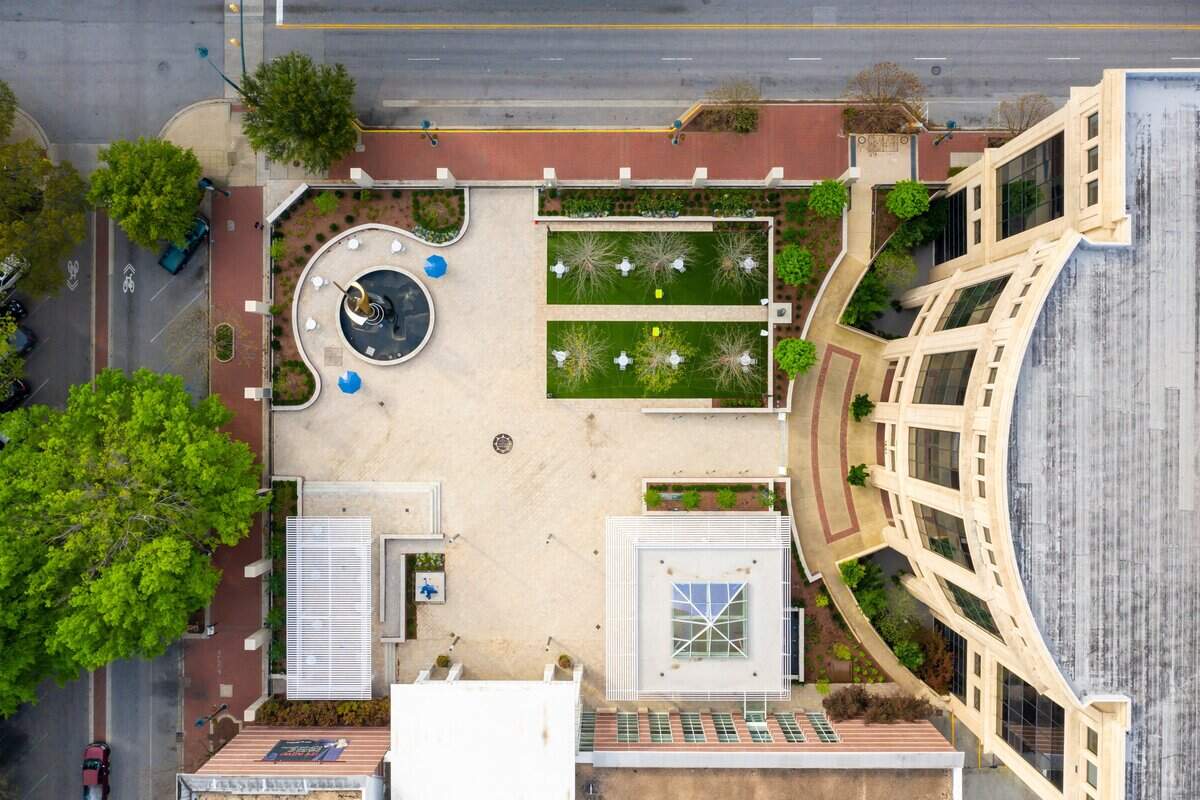
The museum reopened in June, but has much less visitors according to Watkins. Columbia Museum of Art’s Boyd Plaza reopened earlier this month for outdoor events including the First Thursday of each month event that normally has live music in the plaza. First Thursday is an all-day event that includes free admission to the museum and extended hours from 10 a.m. to 8 p.m.
Robin Waites, the executive director of Historic Columbia, said she has seen a lot of success with their outdoor events at Columbia house museums, such as the Robert Mills House and Gardens. Historic Columbia museums are still closed to the public because of their smaller indoor spaces. The Board of Trustees agreed to reopen Historic Columbia museums after 14 consecutive days of decreasing COVID cases in South Carolina, Waites said.
Earned income through ticket sales and rentals normally makes up about 20% of Historic Columbia’s budget. Combined city and state funding make up 60% of the budget, but the city funding dropped 25% this year, said Waites.
With so many cuts to the budget, Waites and her team had to get creative. They are hosting events like outdoor movie nights that can accommodate around 200 people, offering grounds and gardens tours for visitors and creating exclusive virtual tours to make up for the losses.
On July 22, The American Alliance of Museums published a study that surveyed 750 museum directors. The survey showed that one third of U.S. museums may close permanently by next fall due to COVID losses. The S.C. State Museum, Columbia Museum of Art and Historic Columbia are all AAM accredited museums.
“I think across the field, whether it’s a very small historic house, or the Smithsonian or the State Museum, it’s safety first. And then, how can we really continue to serve our mission,” said Bartow-Melia.
This story was originally published October 30, 2020 at 10:58 AM.
CORRECTION: The story has been updated to reflect that the South Carolina State Museum did not receive funding cuts from the state government, only from the city. Also, Amy Bartow-Melia began working at the museum after it reopened from COVID closures. Information in an earlier version was incorrect.