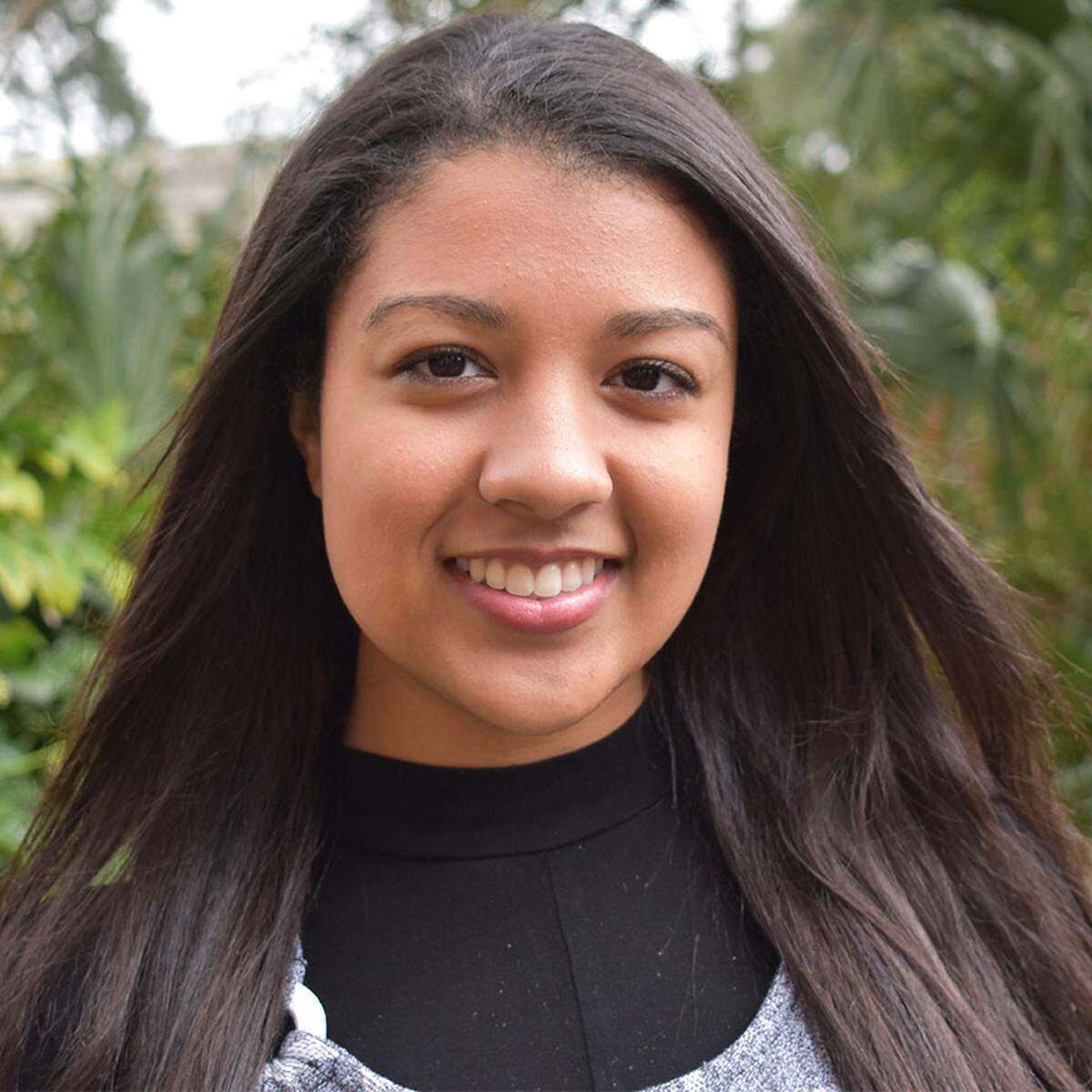
Individual investing is surging, SC trader encourages Black community to get in on it
It started with trading penny stocks in high school, then trading options and then commodities and futures. Her parents thought she was foolish, but Keywanya Williams of Dillon, S.C., felt that trading stocks was her way to freedom.
More than a decade later, Williams is a full-time day trader, online investment consultant and advocate for increased investment education in K-12 schools. She preaches the importance of training the next generation of the Black community to know that the stock market is for everyone.
Williams is part of a growing trend in day trading through apps like Robinhood and eTrade in recent years that offer low-to-no commission costs, according to Ozgur Ince, a clinical associate professor of finance at the Darla Moore School of Business.
Individual investing hit a decade high during the first six months of 2020, in which individual investors accounted for 19.5% of the shares traded in the U.S stock market, up from 14.9% in 2019 and nearly double the level from 2010, the Wall Street Journal reported in August based on Bloomberg Intelligence research.
Trends and risks of day trading
Day trading, or buying and selling securities within one trading day, was once seen as something only those working at large financial institutions, brokerages and trading houses could do, according to an Investopedia article by Justin Kuepper. With the rise of the internet, “it’s become easier for the average individual investor to get in on the game,” Kuepper said.
“If kids had the opportunity to make money off their laptops or off their phones, and not necessarily have to get into debt or student loan debt to go to college —that would be a game changer,” said Williams.
Williams used the Robinhood stock broker app last year and challenged herself to see what she could turn a $500 investment into in one year. At the end of 2020, she’d made $305,000 from her original investment. Though she knows 2020 was an anomalous year, Williams said trading has the power to change lives.
A perfect storm of low interest rates, high unemployment, easy access through apps, more access to margin and option trading and increased trading information on YouTube and social media have created an almost “gamification” effect on investing, according to Ince. That’s not necessarily a completely good thing, he said: General academic consensus concludes that “day trading is very hazardous for people’s financial health,” said Ince.
The last time Ince saw a huge trend in individual trading was in the late ‘90s during the dot-com boom that ended “in a lot of pain when the market eventually crashed” and people lost a lot of money, he said.
While the involvement of more people in the stock market is a positive development because it grows the economy and has more earnings than a traditional savings account, said Ince, he still has concerns that people may risk and lose substantial amounts of money day trading and subsequently leave the market for long periods of time or forever. Even more so, Ince said the risk of suicide from huge losses is a concern.
Williams keeps a risk disclosure tweet pinned on the top of her Twitter account that notes, “futures, stocks, and options trading involves substantial risk of loss and is not suitable for every investor.”
The typical investor
Only 33.5% of Black households owned stocks in 2019 compared to 61% among white households, according to data released by the Federal Reserve. The survey also showed that the typical white, non-Hispanic household had a net worth of $189,100 in 2019, versus $24,100 for the median Black household. Williams is trying to reverse generational wealth gaps through trading.
“When people think of the stock market, they automatically think average, Caucasian male working on Wall Street. They don’t picture a 31-year-old Black female,” Williams said.
Before the GameStop stock blew up — an effort that began with the WallStreetBets Reddit page inspiring individual investors to drive up the stock of GameStop and cause billions on losses to short-selling hedge-fund investors — Williams said she saw the plan in the works a year ago and is excited to finally see more people get involved in investing.
“I feel like a lot of teenagers are looking at the stock market more so now because of what happened with GameStop,” said Williams. “It’s really going to cause a boom in people trying to invest and I’m here for it.”
As a teenager, when Williams first asked her parents about the stock market, she was met with the reaction, “oh that’s not something that we do” and that trading is for rich people. Nonetheless, she taught herself about the stock market and began trading anyway.
“I really wish I had somebody when I was learning because, let me tell you, I blew up a whole lot of accounts,” joked Williams.
Social media and the stock market
In 2021, Williams said she will focus on teaching others the lessons she’s learned. On her new YouTube channel, Stocks2Freedom, she puts out a weekly video explaining different aspects of investing.
Williams is also consulting those who want individualized opportunities to learn, and she’s already consulted 250 clients since starting in December. The vast majority of her clients so far have been Black, and Williams attributes this to people seeing her trade and no longer feeling the stigma that the stock market is exclusive.
“I just really want to push the narrative so that I can help more kids, and honestly break the, you know, generational curses that we as Black people already have,” Williams said referring to the generational wealth gap between Black and white Americans.
Williams has more than 4,000 followers on Twitter, with other notable South Carolinians like Ment Nelson, an artist from Varnville, promoting her work. Nelson met Williams on the app Clubhouse, an invitation-only social media app, in which Williams was leading a “room” discussion on investing with thousands of people listening.
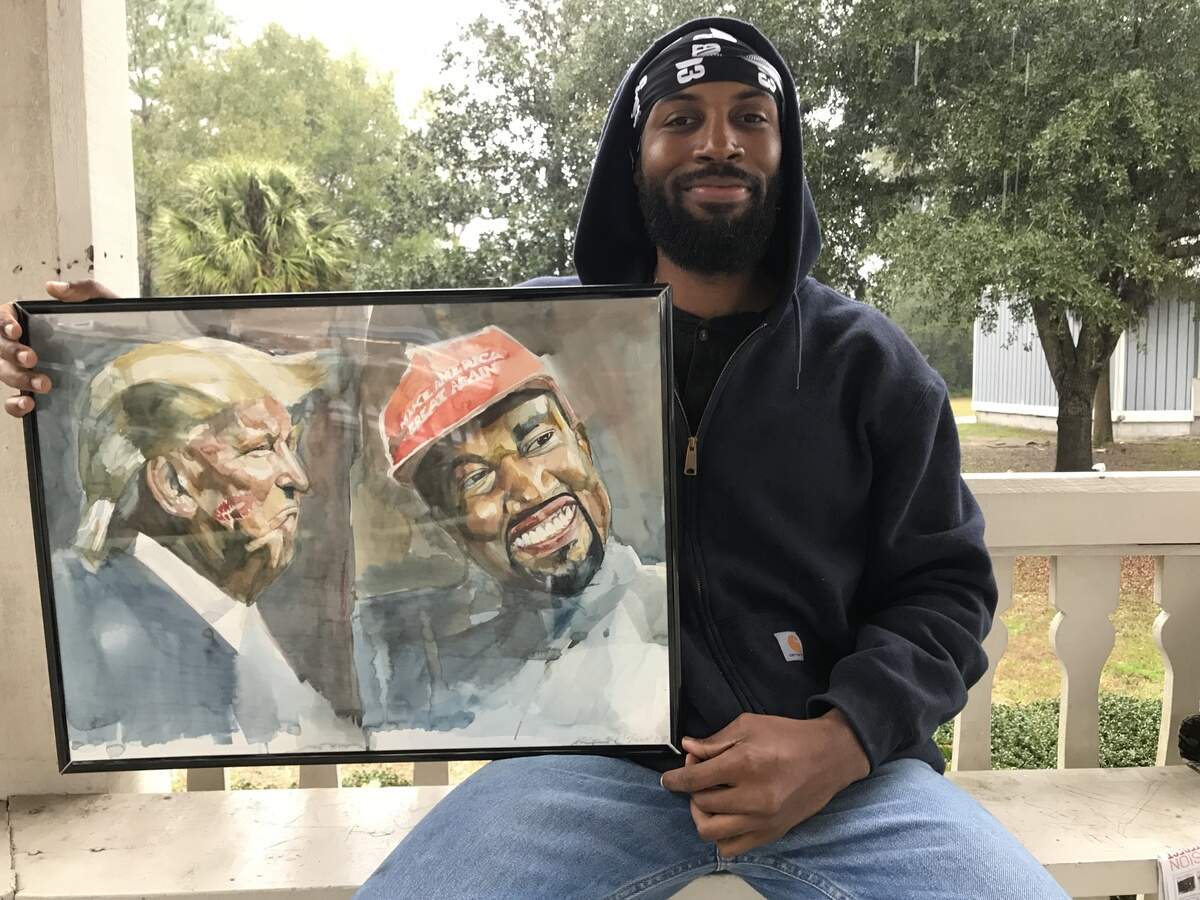
Nelson built up his art business through social media, and through social media, he learned about investing and building first-generation wealth. During the information age, Nelson said his perspective is, “what would my ancestors do with a tool (cellphone) like this.”
“For me, anything that I want to learn, whether I go on YouTube or any outlet available to me, I go and I learn and I just soak up the knowledge and that’s how I came across Kiki,” he said, using Williams’ nickname.
Williams is also working on developing online courses, ebooks and eventually a non-profit to educate kids on investing.
The Robinhood app doesn’t show investors their percentage of monthly returns, but Williams hopes to track her numbers this year using the eTrade app instead.
This story was originally published February 11, 2021 at 1:15 PM.