
Patients, employee dead after COVID-19 outbreaks at state psychiatric hospital
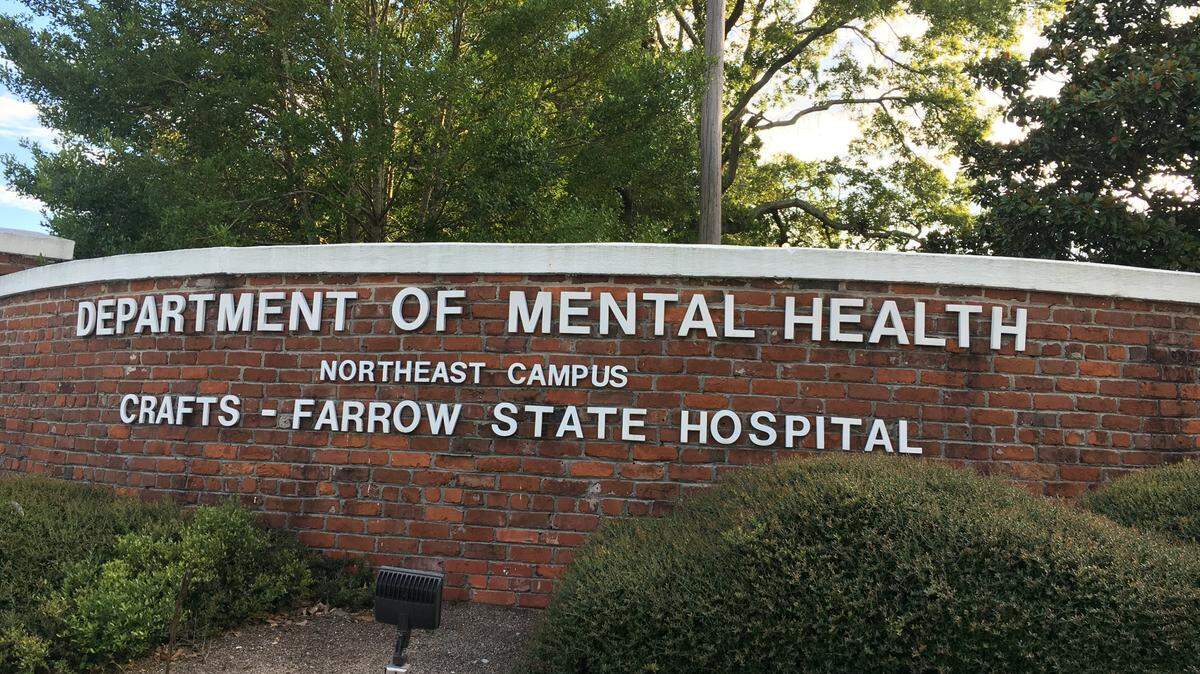
COVID-19 spread like wildfire in part of the Columbia psychiatric hospital where people deemed unfit to stand trial are treated for mental health problems.
Dozens of patients in the Department of Mental Health’s G. Werber Bryan Psychiatric Hospital became ill during two outbreaks in recent months, the agency confirmed. The first, in early May, left one patient dead. In July, a second outbreak sickened dozens, killing at least one patient and a correctional officer who worked at the facility.
Bryan Psychiatric Hospital’s forensics program includes five units for treating adults sent from a county detention center or by the courts after being deemed incapable of standing trial or being found not guilty by reason of insanity. It is staffed by a controversial government contractor, WellPath.
WellPath is a private company based in Tennessee, and one of the largest health care providers for jails, prisons and detention centers around the United States. It’s been slammed with lawsuits in recent years for alleged negligent care, dangerous medical treatment and been scrutinized for COVID-19 outbreaks at facilities it operates around the nation.
In Columbia, WellPath provides staff nurses and correctional officers to operate the forensics program at Bryan Psychiatric Hospital, the Department of Mental Health’s largest hospital.
COVID-19 arrived in unit 6 of the forensics wing at the end of March, when one patient tested positive for the novel coronavirus. The virus was contained to that one patient, according to DMH.
But weeks later, in early May, the first viral wave struck. Seven patients in unit 6 tested positive for coronavirus. One patient was hospitalized at Prisma Health with severe COVID-19, and later died.
Although DMH has not received an official death certificate, the patient is thought to have died of COVID-19, a DMH spokesperson said.
“While the patient had numerous serious comorbidities, the attending Prisma physician believed the virus is what ultimately brought about his death,” DMH spokesperson Tracy LaPointe said in an email.
In early July, COVID-19 spread throughout the patient population again. By the end of the month, 27 patients in unit 2 tested positive for the virus, and 11 were so sick they were hospitalized at Prisma Health for treatment. Another 20 patients from other units in the forensics program were infected, according to DMH.
Two patients died in a week. The first died while hospitalized for COVID-19.
The second had previously tested positive for the virus, then tested negative, and collapsed in unit 2 after he went into cardiac arrest. Because he had pre-existing medical conditions, and because the hospital is awaiting toxicology results, the patient’s death is an unanswered question, according to DMH.
“Consequently, the hospital does not know the patient’s actual cause of death, but as indicated, he had previously tested positive for COVID-19,” LaPointe said in an email.
The most recent death was of correctional officer Mack Timothy Brooker, 50, who worked at the facility for 13 years. He’d been the first face to greet staff and visitors at the front door, and often the last one they’d see as they left the hospital. After contracting the coronavirus, Brooker was ill for a month. He died at Providence Hospital in Columbia on Aug. 12.
“While disappointing, given how diligent management and staff of the hospitals have been in taking all known precautions, these tragic deaths highlight how difficult it is to prevent the introduction of the COVID-19 virus into an inpatient environment when it is both widespread in the community and can be transmitted by staff who are not themselves showing any symptoms of the infection,” DMH said in a statement.
After March 13, visitors weren’t allowed at Bryan Psychiatric and patients couldn’t leave the ward unless authorized, but inpatients still lived in rooms with up to three others, communed in common spaces and participated in group treatments. Plus, patients were treated by staff who came and went everyday.
“That makes it extremely challenging to control a respiratory infection from spreading should it occur in one patient,” the agency said in a statement.
Early on, the hospital began screening staff members for fever or other symptoms before their shifts. DMH’s policy during the pandemic also required staff to wear face masks and instructed sick personnel to stay away, and “if they do report to work and are noted to be showing symptoms of illness, they are to be sent home.”
But on at least one occasion, two WellPath nurses in the forensic unit worked while showing symptoms of illness, DMH confirmed. LaPointe said managers were “promptly” notified and the sick employees were sent home.
“The agency is not aware of any subsequent similar issues being reported,” LaPointe said.
DMH policy provided to The State says staff who test positive for coronavirus or are exposed to a positive case are placed on leave until deemed safe to return. However, the agency is also impacted by staffing shortages like those that have impacted other health care providers during the pandemic.
“For various reasons, including fear of contracting the virus as well as the closure of public schools and daycare centers, SCDMH hospitals in common with community hospitals around the country have seen significant increases in nursing staff absenteeism and retirements,” LaPointe said in a statement. “The impact of workforce shortages results not only in an increase in overtime by existing staff, but an increase in the use by hospitals of temporary staff from nursing staffing agencies.”
WellPath did not comment on the specific incident involving two of its nurses, but said employees have been taught “to report illness, exposure, and other risk factors, and to stay home if sick.”
The S.C. Department of Mental Health would not comment on Brooker’s death. WellPath did not comment either, citing employee and patient privacy laws.
In a statement, the company said the outbreaks at Bryan Psychiatric Hospital are “representative of the community where it is located.”
This story was originally published August 31, 2020 at 5:00 AM.