SC’s largest hospital system to limit visitors as omicron cases surge
South Carolina’s largest health care system is changing its visitation policies in response to the increasing rate of COVID-19 infections.
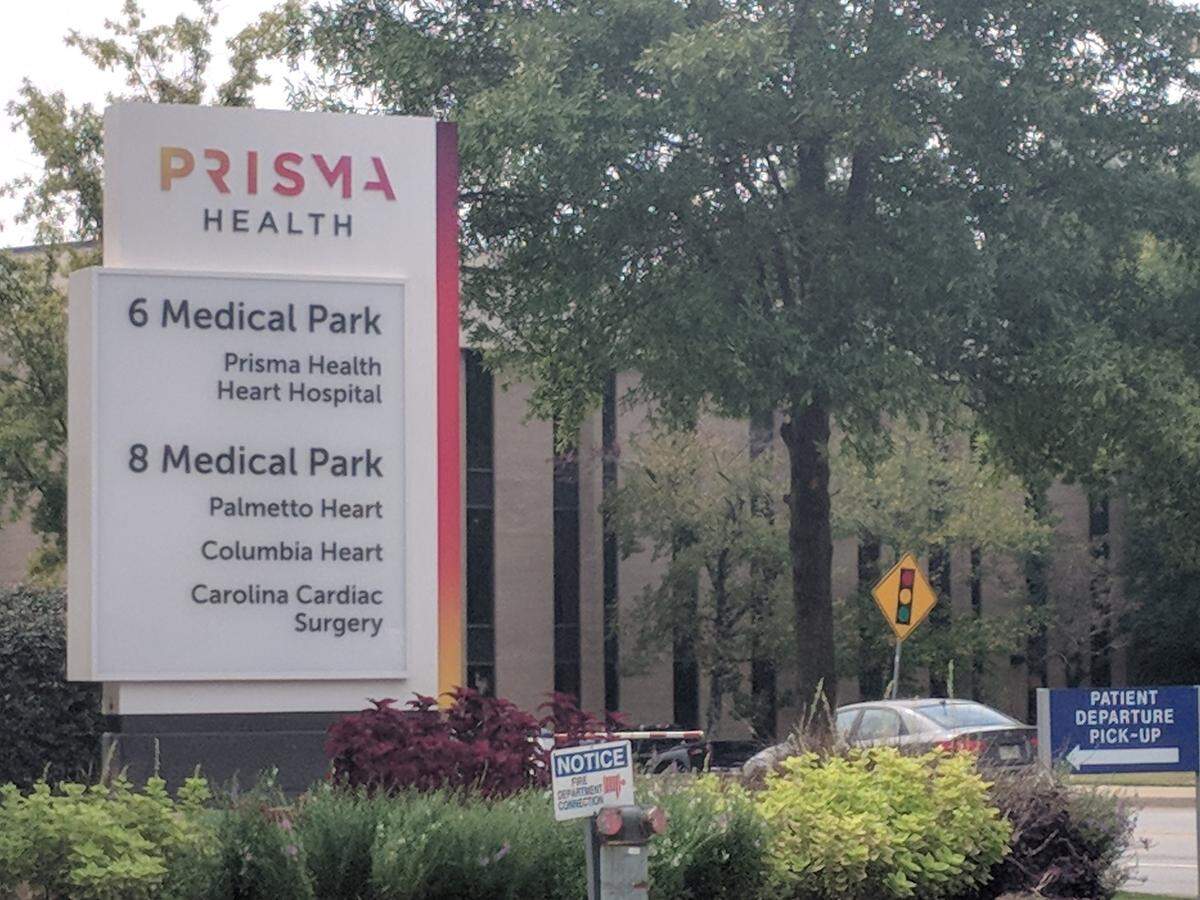
As the omicron strain of the coronavirus surges, Prisma Health has responded by limiting visitors to all of the emergency rooms at its hospitals across the state, including several in the Columbia area.
The changes went into effect Saturday, according to a news release from Prisma Health officials.
Patients coming to Prisma Health emergency rooms will no longer be allowed to have visitors — except under special circumstances, according to the release.
“This step is needed to protect patients, visitors and team members during this unprecedented omicron surge,” Prisma Health officials said in the release.
Visitors and care partners will be asked to wait in cars or offsite once a patient has been checked in, officials said. Updates will be provided by phone and will follow guidelines for patient confidentiality, according to the release.
Prisma officials said the only exceptions to the new visitation policy include:
▪ Pediatric patients (under age 18), or when an adult arrives accompanied by a child.
▪ Patients with care needs or who are unable to give consent, or when an adult patient arrives accompanied by an adult with a care need.
▪ End-of-life events.
These changes are in addition to the requirements that are already in place for anyone going to any Prisma Health hospital in South Carolina.
For more information on the current guidelines for all Prisma Health locations, go to the visitor restrictions page on the health care system’s website.
Prisma Health was formed in November 2017 after Midlands-based Palmetto Health and the Greenville Health System merged to create the largest health system in South Carolina with 18 hospitals. Its hospitals include Richland, Baptist, Baptist Parkridge in the Columbia area and Tuomey in Sumter.
Other hospitals in SC making changes
Prisma Health is not the only area hospital adjusting in the face of the omicron surge.
On Wednesday, Lexington Medical Center announced it will allow one visitor to accompany a patient in the emergency room, but only until the emergency room reaches capacity. The visitor must stay in the patient’s exam room and can then accompany them to their room after the patient is admitted.
Additionally, one visitor can wait in Lexington Medical Center’s lobby during a patient’s surgery and accompany the patient to their room afterwards. One support person is allowed to accompany a woman giving birth.
Beyond that, Lexington Medical Center said one visitor per day will be allowed to visit a patient between the hours of 8 a.m. to 5 p.m. Visitors must be masked at all times.
Aiken Regional Medical Centers announced a similar change Tuesday, saying one visitor is allowed in the emergency room, as well as inpatient areas like the intensive care unit and progressive care unit.
In late December 2021, the Medical University of South Carolina implemented similar changes to its hospitals in the Lowcountry, as well as across the Palmetto State — including some in the Midlands.
COVID Surge
South Carolina has seen more than 1 million (confirmed and probable) cases of the coronavirus and 14,746 deaths since the start of the pandemic, according to the state Department of Health and Environmental Control.
In the first week of 2022, more than 62,000 cases of COVID-19 have been confirmed in South Carolina, DHEC said.
The Centers for Disease Control and Prevention announced Wednesday that the omicron variant makes up an estimated 95% of all COVID-19 cases around the country, while the delta variant makes up the remaining 5%.
Hospitals across South Carolina report that a total of 8,197 inpatient beds are currently being used and they are at 83.7% capacity, according to DHEC. There are 1,501 COVID-19 patients hospitalized, which is a 59% increase from a week ago, with 275 in ICU beds and 132 on ventilators, data shows.
Within the week, 24 hospitals in South Carolina are expecting staff shortages, DHEC said.
BEHIND THE STORY
MOREThis is a breaking news story
In a breaking news situation, facts can be unclear and the situation may still be developing. The State is trying to get important information to the public as quickly and accurately as possible. This story will be updated as more information becomes available, and some information in this story may change as the facts become clearer. Refresh this page later for more updated information.
This story was originally published January 9, 2022 at 11:03 AM.