
Coronavirus omicron updates: Here’s what to know in South Carolina on March 3
We’re tracking the most up-to-date information about the coronavirus and vaccines in South Carolina. Check back for updates.
Fewer than 300 new COVID cases reported in SC
At least 1.14 million coronavirus cases have been reported in South Carolina, and at least 14,419 people have died of the virus since March 2020, according to state health officials.
The S.C. Department of Health and Environmental Control on Thursday, March 3, reported 280 new COVID-19 cases and 22 coronavirus-related deaths. There were also 141 probable cases and 10 probable deaths.
The omicron variant accounted for 100% of coronavirus strains identified in South Carolina for the week ending Feb. 6, state health data shows. The DHEC’s Public Health Laboratory conducts sequencing on randomly chosen samples as part of nationwide efforts to identify new coronavirus strains, according to the agency’s website.
At least 530 people in the state were hospitalized with COVID-19 as of March 2, including 115 patients being treated in intensive care units and 48 on ventilators. Data shows about 6% of hospitalizations in South Carolina are coronavirus-related.
As of March 3, nearly 11% of COVID-19 tests were reported positive. The Centers for Disease Control and Prevention has said 5% or lower means there is a low level of community spread.
Roughly 54% of South Carolinians eligible to receive a coronavirus vaccine are fully vaccinated against COVID-19, and just over 63% have received at least one dose, health officials say.
What’s ‘test to treat’? White House unveils free COVID testing, treatment combo
The White House’s latest initiative aims to make COVID-19 testing and treatment even more accessible, McClatchy News reported.
The plan, which President Joe Biden announced during his State of the Union address on March 1, calls on local clinics and pharmacies to provide anti-viral pills “on the spot” to patients who test positive for COVID-19, free of charge.
The anti-viral treatment Paxlovid is manufactured by Pfizer and has been shown to reduce the risk of coronavirus-related hospitalization and death by 89%, according to the White House.
“I have ordered more pills than anyone in the world has,” Biden said. “Pfizer is working overtime to get us a million pills this month and more than double that next month.”
Read the full story here.
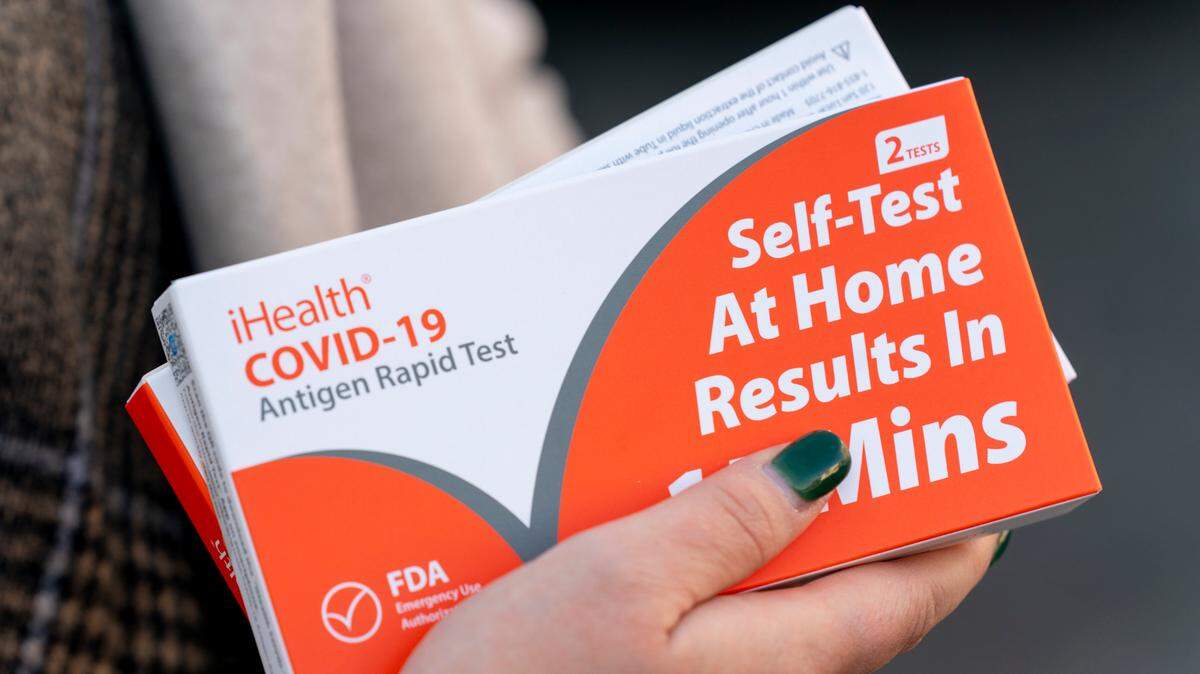
How to order another round of free COVID tests from the government
Americans will soon be able to order another round of at-home coronavirus tests, free of charge.
Those who have already ordered the rapid antigen test kits, made available by the federal government in January, can go online and request additional tests starting next week, President Joe Biden announced during his State of the Union address Tuesday, March 1.
“We’ve made hundreds of millions of tests available and you can order them for free to your doorstep,” Biden said. “If you already ordered free tests, tonight, I’m announcing you can order another group of tests.”
The tests can be ordered online at covidtests.gov or by phone at 800-232-0233, McClatchy News reported. The kits will arrive in the mail via the U.S. Postal Service.
Read the full story here.
Beaufort County schools to end test-to-stay program. What to know
The Beaufort County School District is ending its test-to-stay and quarantine programs for students, effective immediately, The Island Packet reported, citing district officials.
All schools in the district qualified to ditch the COVID-19 protocols Tuesday, March 1, under updated guidance from the S.C. Department of Health and Environmental Control, according to the outlet. The change was based on data from each school regarding quarantines and isolations over a two-week span.
The updated guidance allows students who are exposed to COVID-19 and don’t have symptoms to remain in class without being tested at home. Test-at-home and quarantine practices will be required again, however, if a school reaches 10% or more students and staff with COVID-19 over a two-week period.
Read the full story for more information on the updated guidance.
Horry County residents detail lasting impacts of COVID-19
More than a year after contracting COVID-19, four Horry County residents say they’re still dealing with the lasting impacts of the virus.
The coronavirus landed Chad Hardee in the hospital for almost six months, The Sun News reported. Since then, he’s suffered two strokes, battled COVID-19-induced pneumonia and was placed in a medically induced coma. Pieces of his memory are gone, according to the outlet, and his lung capacity is still at 38%.
Such has been the case for other COVID-19 long-haulers like Michelle Ford, who said she’s still unable to smell or taste her food. For Dr. Lisa Centilli, the virus left her feeling depressed and alone, she told The Sun News. Her symptoms of dizziness and fatigue stuck around long after the others had subsided.
“At first I was like, ‘I’ll be fine, I’ll be fine,’” Centilli said. “And then when I wasn’t getting better, I thought, ‘OK, I need to figure out what’s going on.’”
Read the full story here.
Rock Hill teen nearly dies from COVID-related illness
A Rock Hill teen nearly went into organ failure and could have died as a result of a rare condition linked to COVID-19, The Rock Hill Herald reported.
Allison Dove recalled nearly losing her 14-year-old son Preston to multisystem inflammatory syndrome in children, better known as MIS-C. The rare illness, which can cause inflammation in the heart, lungs, brain and other organs, landed Preston in intensive care at Atrium Health’s Levine Children’s Hospital in Charlotte, barely able to open his eyes.
The teen had been to multiple doctors and hospitals where he was tested for COVID-19, strep and the flu, his mother said. They all were negative, and the family was left without answers.
Doctors finally diagnosed Preston with MIS-C shortly after he was admitted to Levine’s ICU, the newspaper reported.
“It’s one of those situations that you just never think you’ll be in,” she told The Rock Hill Herald in a recent interview.
Read the full story for more information on the link between COVID-19 and MIS-C.
This story was originally published March 3, 2022 at 7:06 AM.