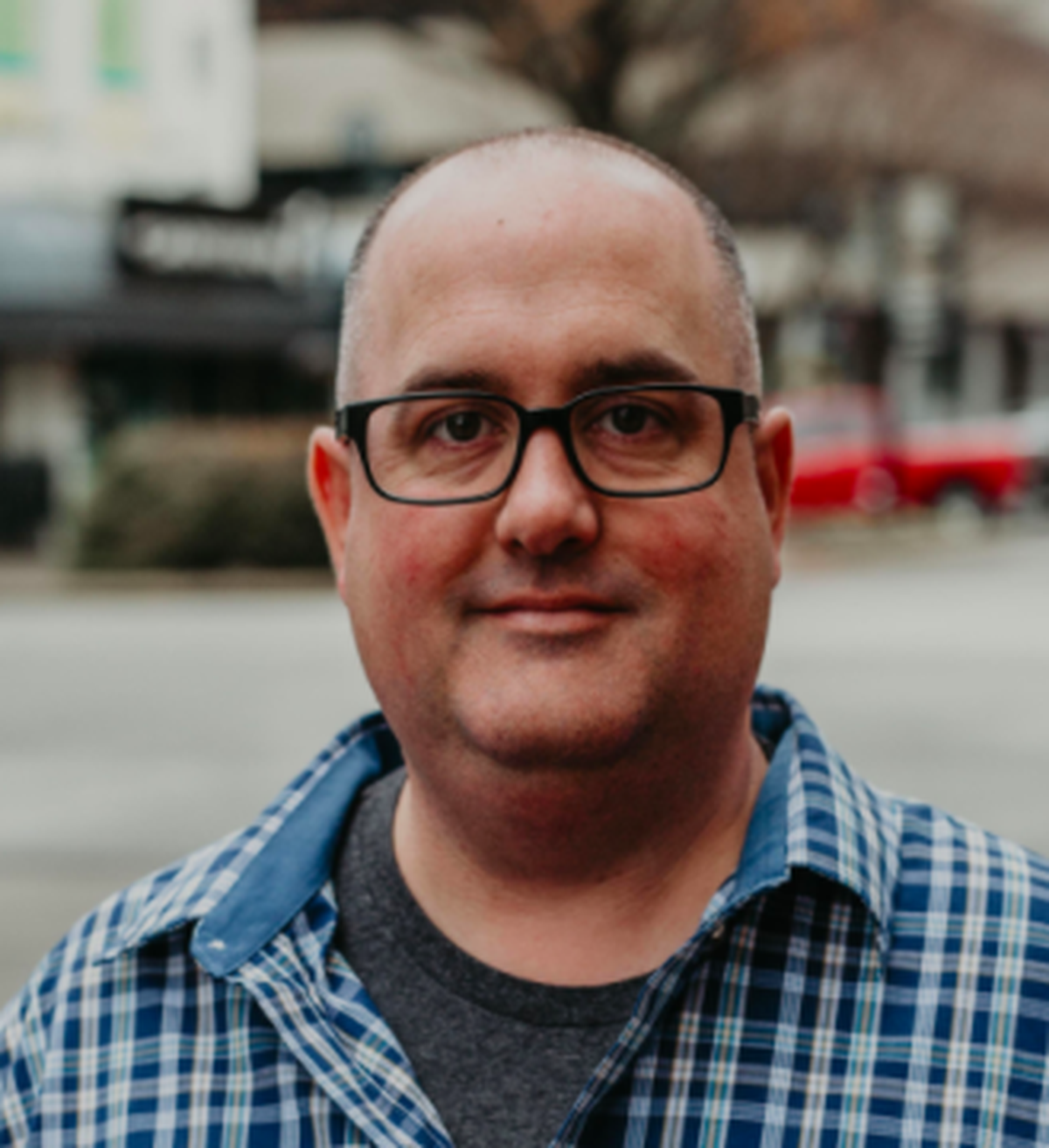
SC Supreme Court says governor had authority to suspend Columbia councilman in 2017
.jpg "Former District 3 Councilman Moe Baddourah")
The South Carolina Supreme Court ruled that Gov. Henry McMaster was within his authority to suspend then-Columbia City Councilman Moe Baddourah from office in 2017 after the councilman was charged with domestic violence.
The state’s highest court published a unanimous opinion on Wednesday that affirmed a lower court’s decision to toss out Baddourah’s challenge to his suspension four years ago. The state Supreme Court said that the governor was justified in suspending the then-District 3 Columbia City Councilman.
“Because we find Baddourah’s indictment charged a crime involving moral turpitude, we hold the governor had the constitutional authority to issue the executive order suspending Baddourah from his position as a member of the Columbia City Council,” Chief Justice Donald Beatty wrote in the Supreme Court opinion. “Although Baddourah disputes whether the suspension was warranted, where the governor is constitutionally authorized to impose a suspension, the decision whether to do so is a matter committed to the governor’s discretion after considering all of the attendant circumstances.”
The case in question stems from Baddourah’s arrest in July 2016 on a misdemeanor charge of second-degree criminal domestic violence. The councilman was accused of hitting his then-wife with a car door in the parking lot of Rockaway Athletic Club restaurant and bar on Rosewood Drive. He was subsequently suspended from his District 3 City Council seat by McMaster in March 2017. The governor, at the time, noted Baddourah had been charged with a “crime of moral turpitude.” Baddourah then sued McMaster in an effort to get reinstated to Council.
But Baddourah remained suspended for a year and a half. He eventually entered pre-trial intervention in the case, and charges were dropped when he completed that intervention. He came back to Council in October 2018, but was defeated when he sought reelection in 2019. Will Brennan now represents City Council’s District 3.
Baddourah’s case went before the state Supreme Court in October 2020. While no Supreme Court ruling would have given him his seat back, it could set precedent for future cases.
In the October 2020 hearing, attorneys for the councilman argued, among other things, that the charge which Baddourah was accused of did not rise to the level of a crime of moral turpitude.
In its Wednesday opinion, the state’s highest court disagreed.
“Under the circumstances presented here, in which it is alleged that an individual engaged in conduct that was ‘likely to result in moderate bodily injury,’ we conclude the charge of second-degree domestic violence qualifies as a crime involving moral turpitude,” Beatty wrote.
The state Supreme Court has defined moral turpitude as “an act of baseness, vileness, or depravity in the social duties which a man owes to his fellow man or to society in general.”
Baddourah also had argued he couldn’t be suspended by the governor because he was a member of the legislative branch of government. But the Supreme Court also rejected that idea, saying his role as a city council member doesn’t rise to that level.
“Baddourah’s membership in a local or subordinate ‘legislative body,’ however, does not make him a member of the “’Legislative Branch’ as that term is used in our (state) constitution, nor confer on him all of its attendant functions,” Beatty wrote.
The governor’s office was unsurprised at the state Supreme Court’s ruling.
“The governor has had confidence in the legality of his actions involving this case from day one,” McMaster spokesman Brian Symmes said in a Wednesday statement. “While the Supreme Court’s ruling isn’t necessarily a surprise, it does set an important legal precedent that recognizes the significance of the charge made in the original indictment.”
When reached by The State Wednesday afternoon, Baddourah attorney Joe McCulloch said the former councilman was “very disappointed” by the opinion.
McCulloch said he respected the court’s opinion, but noted that Wednesday’s ruling “read like a thriller.”
“We seemed to be ahead on points until the last page, and on the last page we lost,” McCulloch said.
While the court made clear its opinion was specific to the Baddourah case, McCulloch wondered what the ramifications could be in future cases involving public officials.
“I’m concerned that the effect of the opinion is to make this concept of moral turpitude, which frankly is an anachronism, really a kind of one-size-fits-all definitional thing that could be applied to virtually any crime,” McCulloch said.
This story was originally published March 10, 2021 at 2:11 PM.