Turning the tables: Columbia Councilman protests alcohol licenses at USC venues
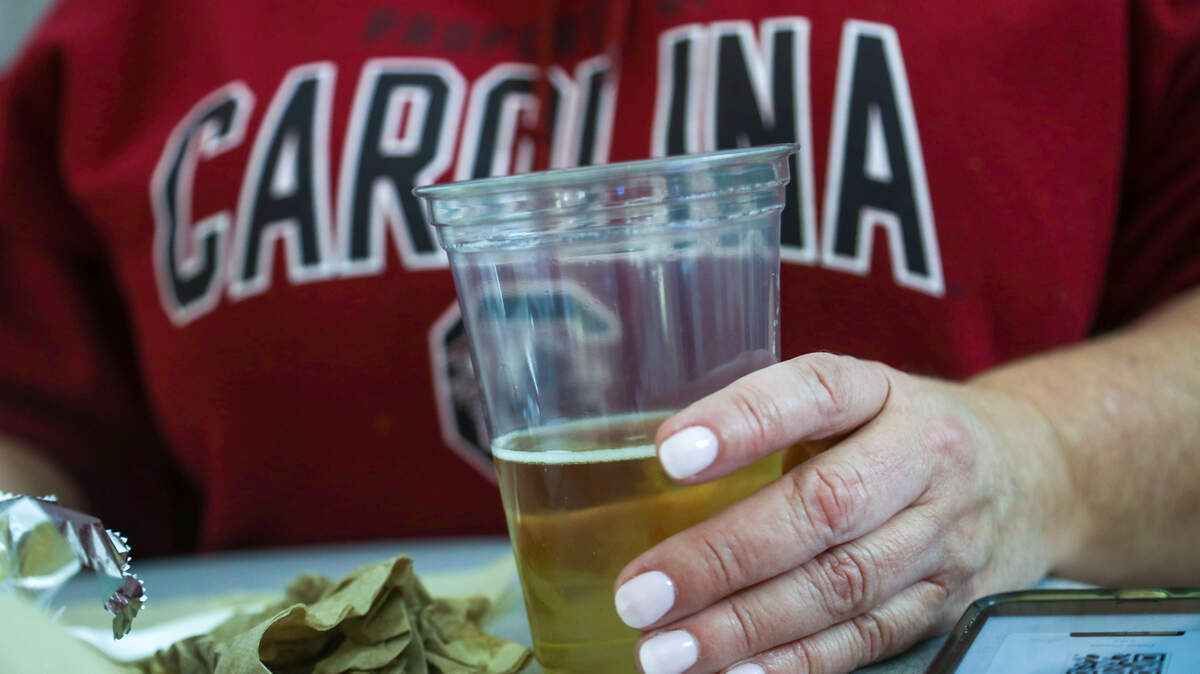
On numerous occasions through the years, the University of South Carolina has been among the entities that have protested the renewal of alcohol licenses for certain bars in Columbia’s Five Points shopping and nightlife district.
But in the last year, Columbia City Councilman Daniel Rickenmann has attempted to give the university a taste of its own medicine.
Last summer, Rickenmann formally filed protests against the alcohol license renewals for third-party vendors that sell drinks at Williams-Brice football stadium and Colonial Life Arena, which hosts USC basketball games, along with concerts and other shows.
Since his protests were filed, a hearing has taken place in state Administrative Law Court on the Colonial Life Arena case, while Rickenmann is still awaiting a hearing on the Williams-Brice Stadium matter.
On several occasions in recent years, the university has joined with residents of the neighborhoods surrounding Five Points in protesting alcohol licenses for bars in the district that has, for decades, been a favorite nighttime hangout for USC students. The protests have often been an attempt to quell what some see as an overly raucous party scene that spills over into nearby neighborhoods.
But in his own protests, Rickenmann has argued that, like bars in Five Points, USC’s venues also serve alcohol.
He said that over-consumption before, during and after ballgames and concerts can cause public health and safety issues. Essentially, the longtime Councilman is attempting to use the same argument against USC that the university has made against Five Points bars.
“Clearly, the little guy is getting pushed and the big guy gets to do what he wants, and that’s not the way it works,” Rickenmann told The State. “Somebody has to fight for the little guy.”
Rickenmann, who represents City Council’s District 4, recently announced his candidacy for mayor. He is a business consultant with a background in the restaurant industry.
In December, a hearing on Rickenmann’s protest against Colonial Life Arena’s third-party concessions vendor Aramark was held before before Judge H.W. Funderburk in state Administrative Law Court. In his subsequent order, Funderburk sent the case back to the state Department of Revenue to determine the scope of Aramark’s control of the arena where alcohol is sold and consumed, and to clarify the role of another company, Southern Way Catering, in Aramark’s sale of alcoholic beverages at the arena.
The Department of Revenue issues alcohol licenses.
“If the department is satisfied, it may issue (Aramark’s) renewed permit for on premises consumption of beer and wine and its renewed license for liquor by the drink,” Funderburk wrote in his order. News of Funderburk’s ruling was first reported by The Post & Courier.
Department of Revenue spokesman Tim Smith told The State that the department has not yet renewed the license for Colonial Life Arena, but the previous license is still under extension. He said the department is awaiting some documents from Aramark.
Meanwhile, USC spokesman Jeff Stensland said the school takes precautions with the alcohol served in its athletic venues.
“For games, Aramark, the athletics aepartment and the SEC have protocols in place to help ensure underage fans are not served alcohol, and we do scan IDs,” Stensland said. “Drink sales also cease at a scheduled time during games to decrease the risk that our patrons will be overserved. Staff also receive extensive training before they are allowed to serve alcohol.”
When asked whether he thought the university was holding itself to a different criteria than what it expects of Five Points bars, Stensland said, “absolutely not.” He pointed out the school has not joined protests against all Five Points bars, just ones that it sees as troublesome in terms of law enforcement concerns and a pattern of overserving students, among other criteria.
In one high-profile case from a year ago, USC protested an alcohol license renewal for well-known Five Points dive bar Group Therapy, once a regular haunt of the band Hootie & the Blowfish and now owned by former USC quarterback Steve Taneyhill. However, following an intense two-day hearing in front of an administrative law judge in February 2020, Group Therapy was allowed to renew its alcohol licenses.
This story was originally published March 22, 2021 at 1:06 PM.