Columbia’s historic Capital City Stadium set for demolition after several delays
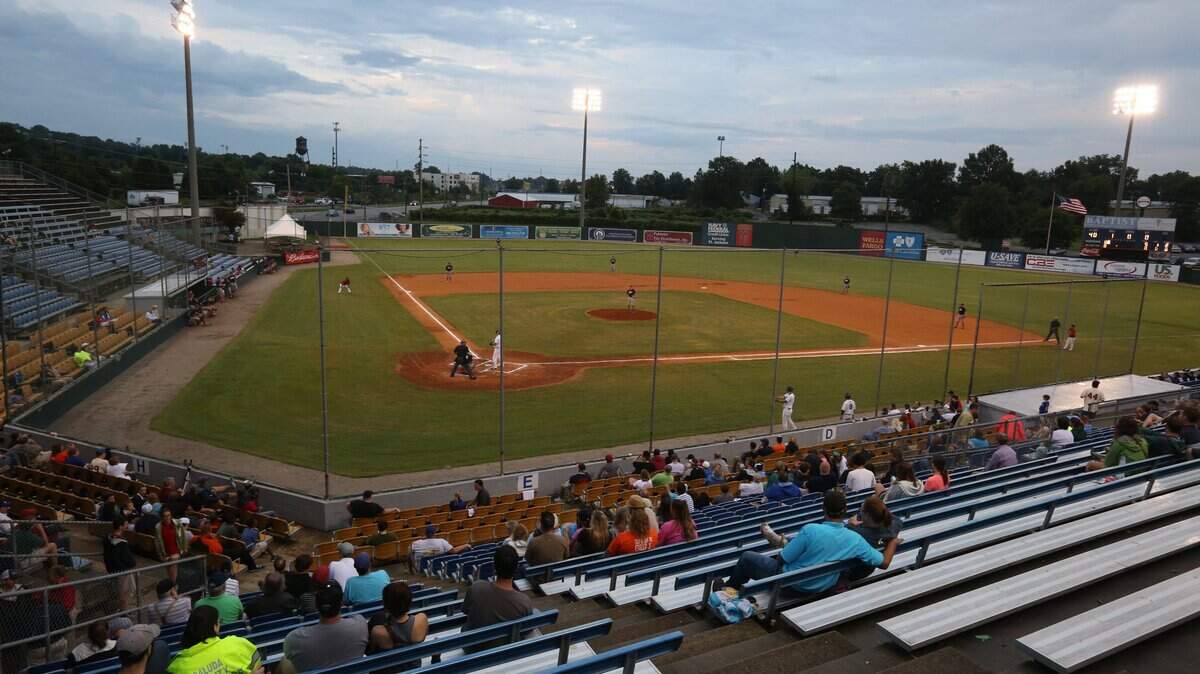
After a decade of back-and-forths and false starts, Columbia’s Capital City Stadium is set to be demolished this spring, likely before June.
“It’s pretty much a done deal,” buyer and developer Andrew Weddle said. He’s only waiting on a handful of permits, which he said “will be issued.”
The deal to buy the city-owned property stipulates that the stadium be demolished within 90 days of the closing date, which Weddle said is imminent. He anticipates demolition could begin by April.
The park was active in minor league and collegiate baseball for nearly 90 years, but hasn’t hosted a game since 2014.
Weddle’s firm, Weddle Real Estate Investments, is buying the property from the city for $1.625 million, according to the deal inked in June 2019. Progress has been delayed by the ongoing pandemic and the complicated nature of an agreement with city, county, state and federal entities involved, Weddle said, but he believes this is the final stretch.
When the stadium comes down, it will be replaced by a mixed-use complex dubbed The Ballpark, with 310 apartment units promised along with 20,000 square feet of retail space.
Weddle wouldn’t name specific brands in an interview with The State Tuesday, but said he had interest from a national sandwich chain, a coffee chain and “a pretty well known sports restaurant,” among other options for the retail spaces.
He expects to start construction in early 2023, with the complex open in summer 2024, if everything goes to plan.
The deal with the city includes a laundry list of requirements, including that Weddle invest about $8 million in infrastructure improvements in exchange for tax credits on the project.
Those improvements will include storm water systems in the city’s Olympia neighborhood, sidewalks and road improvements, and flood protection, as well as a traffic light at Ferguson and Assembly streets to ease left turns out of the complex.
Weddle is also obligated to contribute up to $250,000 for a greenway extension from Olympia Park to the new development.
He said his team was more than happy to oblige the requests and celebrated the city’s approach to improving a long-time industrial part of Columbia.
“The city had, with help from the county, the vision to not just sell a piece of property,” Weddle said. Instead, the various entities involved coordinated to craft a specific development plan to improve the industrial area, he said.
The solution did not come easy. For the last 10 years, the city of Columbia has been trying to figure out what to do with the property.
A decade ago, neighbors shot down a proposed Walmart at the location. Several years later, a deal to construct a Kroger grocery store fell through. Those efforts were led by Georgia-based developer Bright Meyers, which walked away when Weddle stepped in in 2019.
When the stadium walls do finally come down, decades of history will follow.
Pittsburgh Pirates owner Barney Dreyfuss paid for the stadium to be built in 1927, after the Pirates’ eventual minor-league affiliate the Comers’ usual field suffered fire damage. The Columbia Reds, Capital City Bombers and the Columbia Blowfish all called the park home at one time as well.
Baseball great Hank Aaron — as a member of the Jacksonville Braves — played his last minor-league game at the stadium, against the Columbia Reds.
Historic Columbia hopes to capture some of that legacy before the stadium is gone.
The agency is producing a documentary and oral history of the park with local filmmaker Lee Ann Kornegay. The film will tell the park’s story while also highlighting its importance to Columbia’s Olympia neighborhood, Historic Columbia director Robin Waites said.
Waites said Historic Columbia also hopes to invite the public for a farewell event at the stadium, if COVID-19 cases fall enough before demolition begins. An event had been scheduled for the first week of April 2020, but it was cancelled at the onset of the pandemic.
Weddle, as the developer, agreed to pay $60,000 toward Historic Columbia’s efforts in his contract with the city.
This story was originally published January 12, 2022 at 9:51 AM.