Could the water crisis happening in Jackson, Miss., happen in Columbia?
National headlines have for weeks been focused on Jackson, Mississippi, and the roughly 150,000 residents who were without reliable clean drinking water there for nearly 50 days.
A major flood in late August collided with an old and ill-maintained water treatment plant, forcing the plant off-line and eliminating the city’s ability to produce clean drinking water for residents. While the Mississippi capital has slowing begun to rebound, residents were still struggling with brown water this week, and the Environmental Protection Agency has been tapped to investigate.
Seven years ago, the same thing almost happened in Columbia.
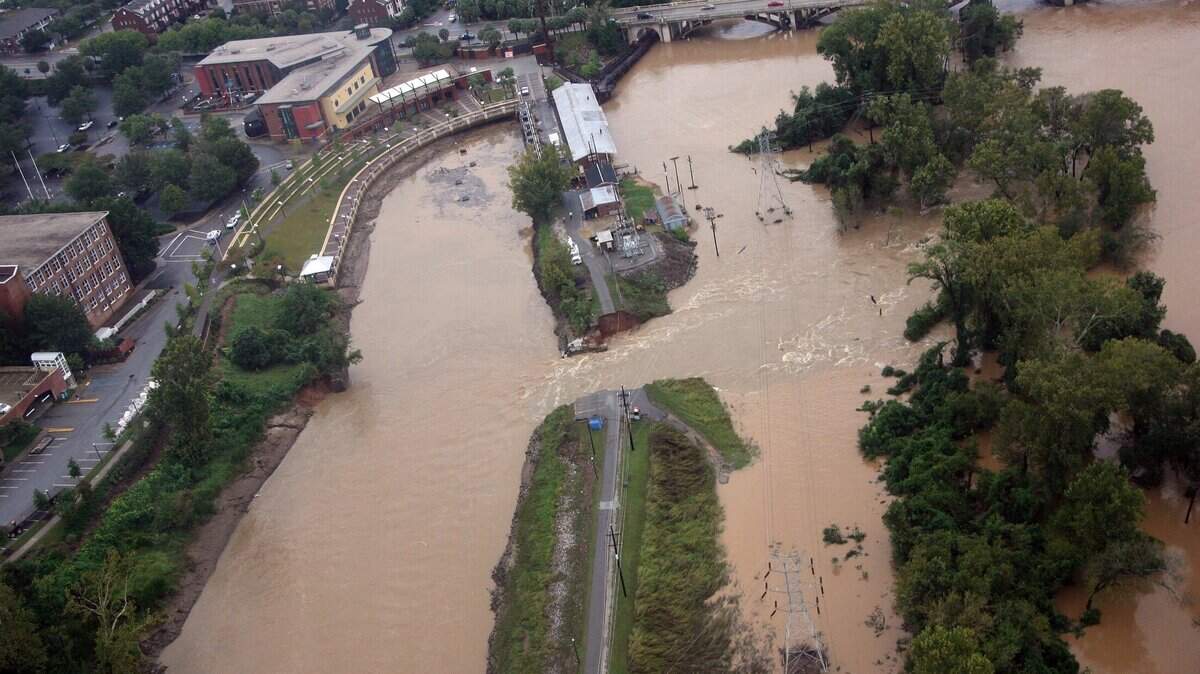
When a 1,000-year-storm hit the Midlands in 2015, dropping 20 inches of water total, it knocked out roads and bridges and carved a gaping 60-foot hole in a canal responsible for providing water to roughly 200,000 residents.
Seven people died in Columbia during the flood, and dozens of homes and businesses were destroyed. The city’s water system never failed — but it was more than close. Now, nearly a decade later, damage caused by that flood is still not repaired. The canal still has a giant hole, and all but one head gate controlling water supply into the canal is plated shut. On top of it all, some parts of the city are served by century-old water pipes that routinely crack and break.
But how close to calamity is Columbia’s water system today, and if a major disaster were to happen, could Columbia residents be in the same situation as those in Jackson, Mississippi?
Similarities and differences
“Certainly the question has some credence,” said Clint Shealy, assistant city manager and director of Columbia Water.
There are some clear similarities between Jackson and Columbia.
The cities are roughly the same size. Jackson is technically about 30,000 people larger than Columbia, but Columbia Water serves twice the population as Jackson’s system, with roughly 400,000 customers across Richland and Lexington counties.
Both cities are the capitals of their respective states, and both are relatively the same age — Columbia is 236 years old to Jackson’s 201 years — and the city’s have similarly old infrastructure.
And, while not to the same degree as in Jackson, residents in many of Columbia’s oldest neighborhoods have struggled with brown and orange water issues for years, as well as routine pipe breaks and frequent boil-water advisories. The cause is that in parts of the system, pipes are a century old.
“You see some similarities in terms of natural disaster that happened and how it impacted infrastructure,” Shealy said. “The key difference, I would say, would be just in terms of the level of investment that Columbia has been making in its utility.”
Columbia in recent years has invested tens of millions of dollars on system upgrades in parts of the city, and while it’s nowhere close to upgrading everything that needs it, the system is being gradually improved. For example, a $15 million project to replace lines in Rosewood is about to begin, and it’s only the first of a three-phase effort.
“We know we need to go in and replace those old pipes because we’re spending an inordinate amount of man hours flushing to make sure the water is not discolored and dumping water to keep it turned over,” he said.
Another difference between Columbia and Jackson is the position each city was in before the floods.
Even before the rain fell in Mississippi, Jackson’s system was headed toward failure. A boil water advisory was already in place, and aging and damaged pumps at the city’s primary treatment plant had already been taken offline for repairs when the flood arrived. The storm waters then forced the backup pumps to fail, which took the entire system offline, according to reports from Jackson officials and Mississippi Gov. Tate Reeves. Today in Jackson, pressure in the system has been restored, but residents were still under a boil water advisory and their taps were still running brown until Thursday, when the boil water notice was lifted. .
“In general, there was lack of investment, maintenance, then aging infrastructure. And then with climate change, you will see higher or more frequent and more intensive flood situations,” said Erfan Goharian, a civil engineering professor at the University of South Carolina who focuses on water management issues.
Things looked much different in Columbia prior to the 2015 flood. While no one knew it would become a 1,000-year storm at the time, weather models were clear that a major rain event was coming. Columbia Water was working to ensure backup systems were available and had staff on high alert. Plus, they weren’t dealing with any active equipment failure.
But while Columbia may have been prepared for some degree of flooding, its system still nearly failed.
“It was a very thin line to … having the same situation as Jackson in 2015,” Goharian said of Columbia’s historic flood.
Indeed, the city was about a day away from not being able to produce clean water for residents, Shealy has previously said.
The problem was twofold for Columbia. Pipes crucial to delivering water to residents were broken or swept away, and with the canal breached, the city was rapidly losing its water supply as well.
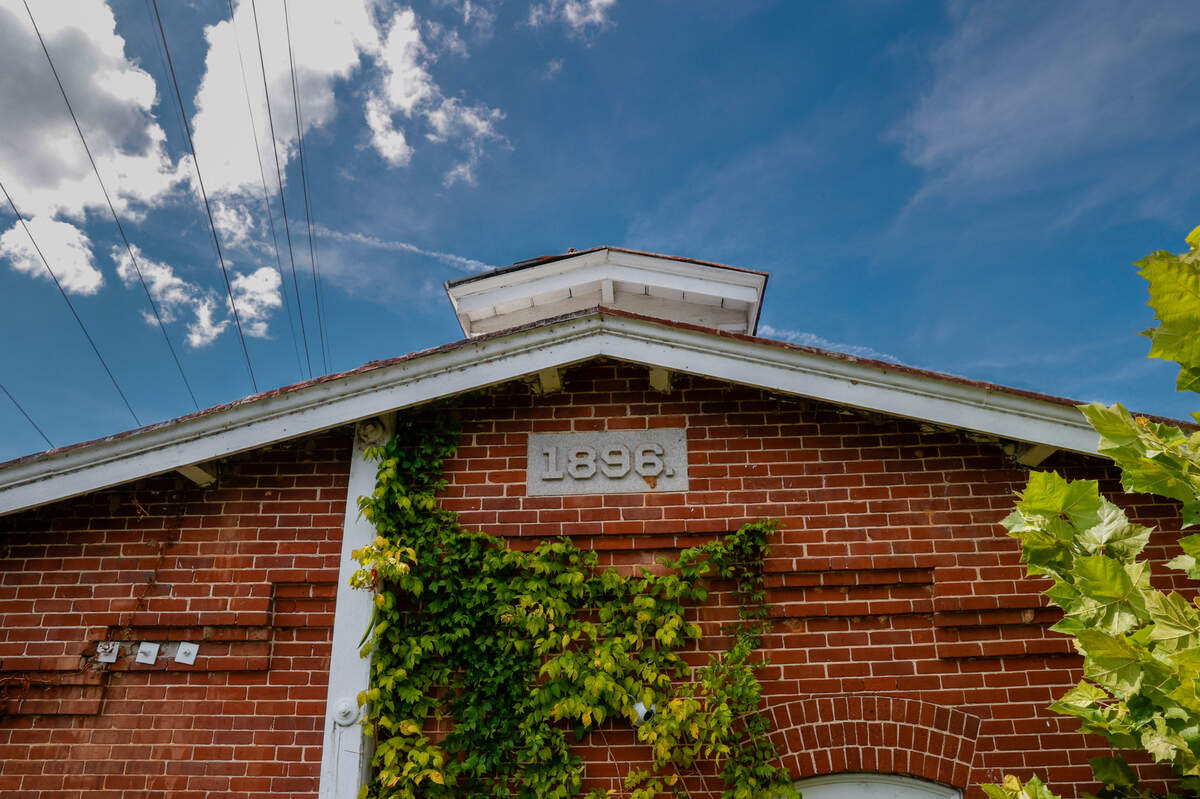
“What you’ve got is a canal that was built in the 1890s that was functioning as our primary water source, and then you have the breach,” Shealy said.
The city was hemorrhaging water and wasn’t able to pump enough water into the system to keep it pressurized — meaning there was a chance that contaminated water could be sucked into the system while the pressure was down.
At the same time, parts of the distribution system — how clean water gets to residents — had been destroyed.
“Roads were washed away, bridges were washed away, any infrastructure associated with that was washed away,” Shealy added.
The city was forced to issue a system-wide boil water notice for the first time in its history, Shealy said. Parts of the area remained on that notice for 10 days while crews trudged through debris making repairs.
The key difference between that situation and Jackson’s was that despite all the damage, Columbia never saw any treatment equipment fail. That meant the city was still able to pump and treat water.
But given how close Columbia came to seeing that equipment fail, what would happen if another storm came today?
Would Columbia be ready?
It’s a question Shealy thinks about often.
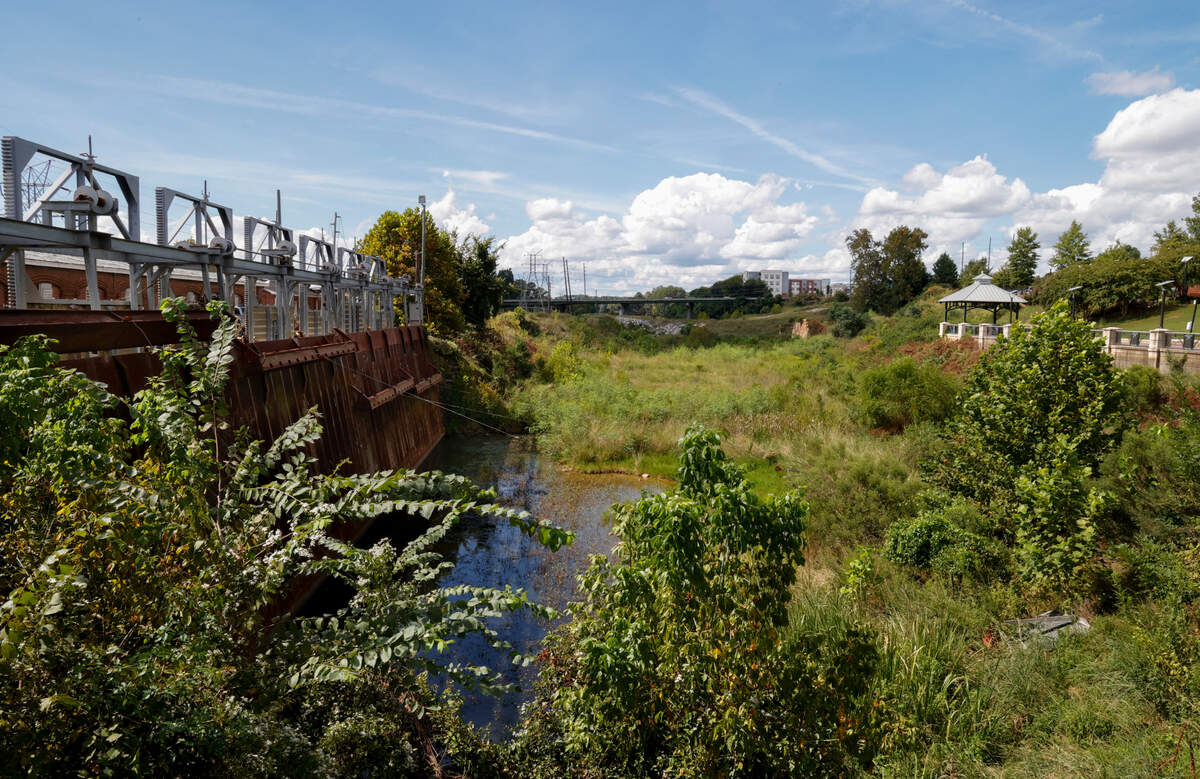
The risk of system failure is less now than it was in 2015, Shealy said. The rock dam built as a placeholder for a permanent canal repair is “structurally sound,” Shealy said, and built to withstand another flood if needed.
“That rock dam, although designed very quickly, almost on the back of a napkin as an emergency measure, there was thought put into that,” he said.
The dam is designed so that if the water level in the canal did get so high it couldn’t be controlled, there’s a built-in relief point so the water has somewhere to go other than over the top of the canal embankment. The rock structure is also more likely to withstand a high amount of water than the nearly 200-year-old earthen embankment, Shealy said.
“We’re in a little better position than we were in 2015. We are not where we want to be though,” he added.
The strength of the fix provides no guarantees.
To truly be prepared for another major event, the system needs built-in redundancies, Goharian explained.
“The main thing about resiliency (is) do we really have a redundancy in our system?” he said.
In Columbia, the answer is kind of. In the simplest terms, managing a water system means getting water from somewhere, cleaning it, and then getting it to somewhere else. For a system to be considered resilient, Goharian said, it needs multiple water sources, multiple ways to get the water from those sources, and multiple places to clean the water. If one piece fails, it shouldn’t be able to take the rest of the system down with it.
Columbia already checks a few of these boxes. In 1983, with the area growing and more customers needing water, officials opened a water treatment plant on Lake Murray. The city uses that plant, which pulls water from Lake Murray, to serve about half of its nearly 400,000 water customers.
There was at one point an idea to pull water from the Saluda River as another redundancy, but Shealy said that proposal was expensive and the city decided it was more practical and cost-effective to bolster how water is brought in from the Broad River instead.
The planned repairs to the canal will also seek to strengthen the system and add redundancy to how the plant gets water for treatment. Those repairs have been in limbo for seven years, as Columbia officials have gone back and forth with the Federal Emergency Management Agency on how much of the repairs the federal government should pay for.
Shealy said finally, that agency has agreed to pay the entire cost of the canal fix, and the city has received federal dollars from two separate programs for additional projects for the water system. In total, the canal system is about to get a $100 million investment.
One of the projects is an $8 million endeavor to replace and update the canal head gates, which allow water into the system. The new head gates will be updated so that branches and other debris won’t get in the way of those gates opening or closing to control the water supply.
The next is repairing the canal itself and stitching the 60-foot hole in the wall of the embankment, which would also restore the city’s hydroelectric plant. That project is estimated to cost $45 million, and FEMA is paying the whole bill, Shealy said.
The third project is perhaps the most crucial to building more redundancy into the city’s water system. The city hopes to build an alternate intake system to pump water directly from the Broad River into the canal treatment plant, so that if the canal were to fail again, there would be another way to get water to the plant. A federal grant designated for community resiliency projects will cover $45 million, which Shealy said is about 75% of the work. Columbia Water’s capital improvement fund wiil cover the remaining 25%.
The plans for each of these projects have only recently been finalized. Shealy expects work to begin on the canal next year and to finish by 2025.
The plans are smart, Goharian said, but until all the work is done, the system remains at risk.
“If a big, huge hurricane comes this year, then we are not really prepared for that. Years from now we have a good plan in mind, but we need to actually do it fast,” he said.
Ongoing problems
Fixing the canal won’t solve all of Columbia’s water problems, or even most of them. The work will make the city more resilient when the next major storm comes, but it won’t address ongoing problems with brown and orange water and boil water advisories that plague certain parts of the Columbia area.
For years, Lyn Hensel and other residents in the Hollywood-Rose Hill neighborhood dealt with recurring brown and orange water problems. Hensel said typically the water would turn brown after heavy rainstorms.
“I would like to be able to turn on the faucet and not have to guess what color my water might be!” one resident wrote on a neighborhood email chain in 2017.
Other parts of the city have dealt with recurring boil water advisories, which are issued as a precaution when pipes break because there’s a possibility bacteria and other contaminants could enter the clean water system through the broken pipe.
Shealy said Columbia does seem to issue more of these advisories, and admittedly there are near-constant problems with breaking pipes and other safety issues in the century-old system.
“We do have aging infrastructure issues,” he said. But in a system with 2,400 miles of distribution piping — the largest in the Midlands — he said there are going to be more leaks than in other systems as well. Still, he acknowledged the century-old pipes in parts of the system are a major driver of those leaks.
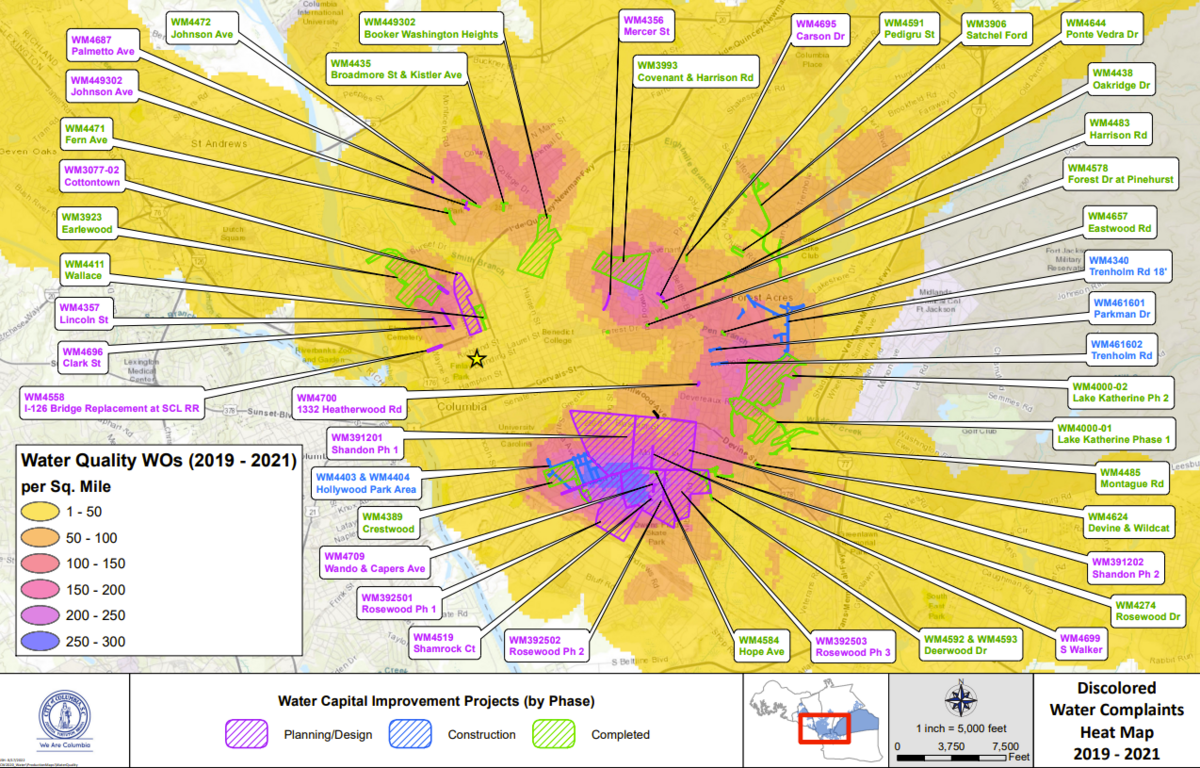
A few years ago, Columbia Water began digitally mapping the boil water notices and the discolored water reports to help the city identify where its limited resources should go first. And gradually those areas are being targeted for replacement projects.
Several years ago, the Hollywood-Rose Hill neighborhood got about $4 million worth of upgrades, which Hensel said has made a noticeable impact.
But while Shealy acknowledges the problems won’t go away without replacing entire portions of the century-old water system, the city has been federally mandated to focus most of its energy on fixing the wastewater system first.
In 2013, the Environmental Protection Agency ruled that Columbia was spilling too much wastewater into the environment. The culprit was again an old system that wasn’t being property maintained, according to the decree.
That ruling requires Columbia Water to make a laundry list of upgrades and replacements, no matter the cost. Because that work is federally mandated, the city must prioritize it over upgrades to the drinking water system.
Wastewater and drinking water are entirely different systems and don’t intersect beyond that drinking water will inevitably become wastewater after its used. The only other practical way the systems intersect is how they’re paid for.
The money used for projects on the wastewater system comes from the same pot of money used for projects for the drinking water system. About a third of the money is being spent on drinking water projects, while the other two-thirds is going toward wastewater repairs, Shealy said.
“We’re not not investing in the water system right now,” Shealy said. “But we’re not investing in the drinking water system as much as I believe we would if not for the consent decree.”
And while the city has been working through those requirements, and Shealy proudly says Columbia Water hasn’t missed a deadline, there’s still upwards of $200 million in work to be done, according to a report to City Council.
But the city is investing in the water systems, Shealy stressed. Columbia for years was notorious for taking money out of the fund for water projects and using those dollars for things that were completely unrelated. In some cases those dollars were used for public relations or economic development projects.
Between 2000 and 2010, almost $79 million was moved out of that account for things like public relations and economic development. In 2016, the City Council voted to stop allowing those transfers.
“There’s been no ‘Hey, I’m going to grab a couple million dollars and just use that for something completely different.’ That’s not happening in today’s world in Columbia,” Shealy said. “And that’s a good thing. We’re investing and reinvesting the revenues that our rate payers are paying in the utility and I think that’s a very positive thing.”