We’ve got a cool graphic that shows when to best watch the solar eclipse in Columbia. Take a look
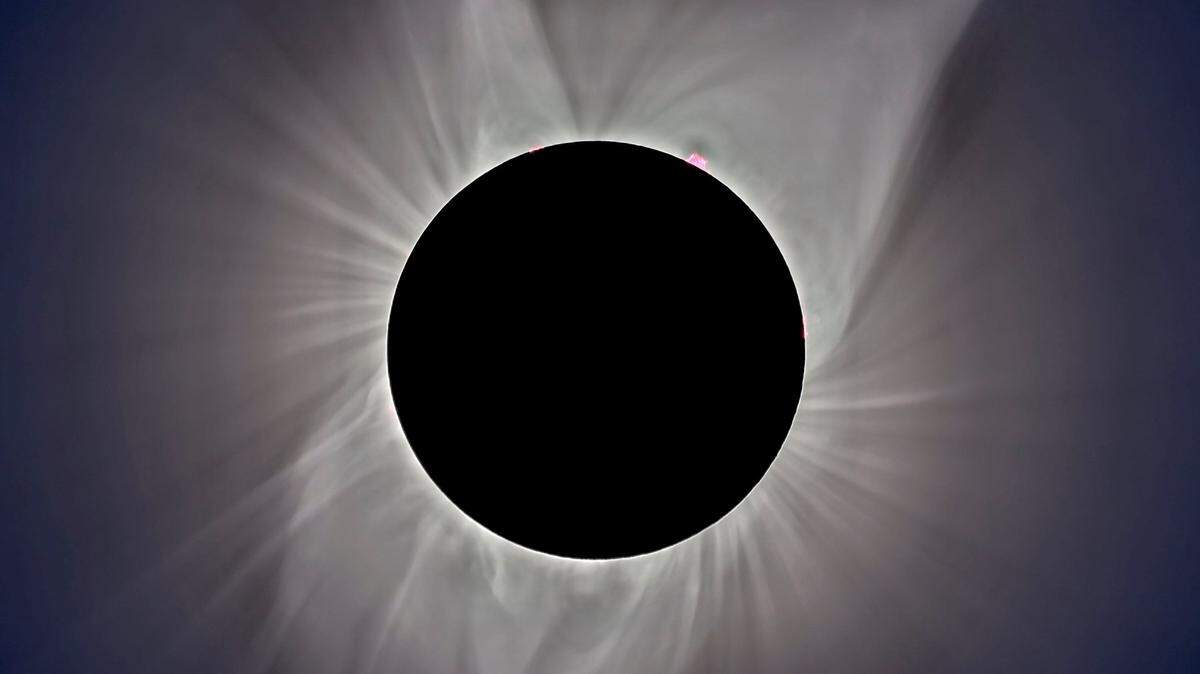
Sunny skies are expected in Columbia for the solar eclipse on Monday, but clear views won’t matter if you don’t know the best time to watch the celestial event.
While South Carolina won’t get the full total eclipse experience like other parts of the U.S., the Palmetto State will still be privy to most of it. Columbia is set to see 76% of the sun eclipsed by the moon. This will be the last total eclipse visible in North America until 2045.
View our graphic below to determine exactly the best time to see the eclipse in Columbia.
What is a total solar eclipse?
According to NASA, “sometimes when the moon orbits Earth, the moon moves between the sun and Earth. When this happens, the moon blocks the light of the sun from reaching Earth. This causes an eclipse of the sun, or a solar eclipse. During a solar eclipse, the moon casts a shadow onto Earth.”
Types of solar eclipse
- Total: This is when the solar eclipse is visible from a small area on the Earth. The people who can see the total eclipse will be in the center of the moon’s shadow. The sky becomes very dark, as if it were nighttime.
- Partial: This is when the sun, moon and Earth are not totally aligned. From the Earth, it appears like there’s a dark shadow on part of the sun.
- Annular: This type of eclipse happens when the moon is farthest from the Earth, making it appear smaller. When the moon passes in front of the sun, it doesn’t totally cover it. Also, the light from the sun creates a ring around the moon.
How often do total solar eclipses occur?
A total solar eclipse happens somewhere in the world about every 18 months, space.com states. The eclipse’s path of totality, the area on Earth directly in line with the moon and sun, is only 60 to 70 miles wide. It’s width and where it is on Earth vary because of the moon’s orbit and other factors, which makes the likelihood of the path of totality falling in the same place twice low.
The path of totality over the U.S. for this eclipse will stretch from Texas to Maine.