
Weighing layoffs, hundreds in tax, fee hikes, Cayce balances budget at last opportunity
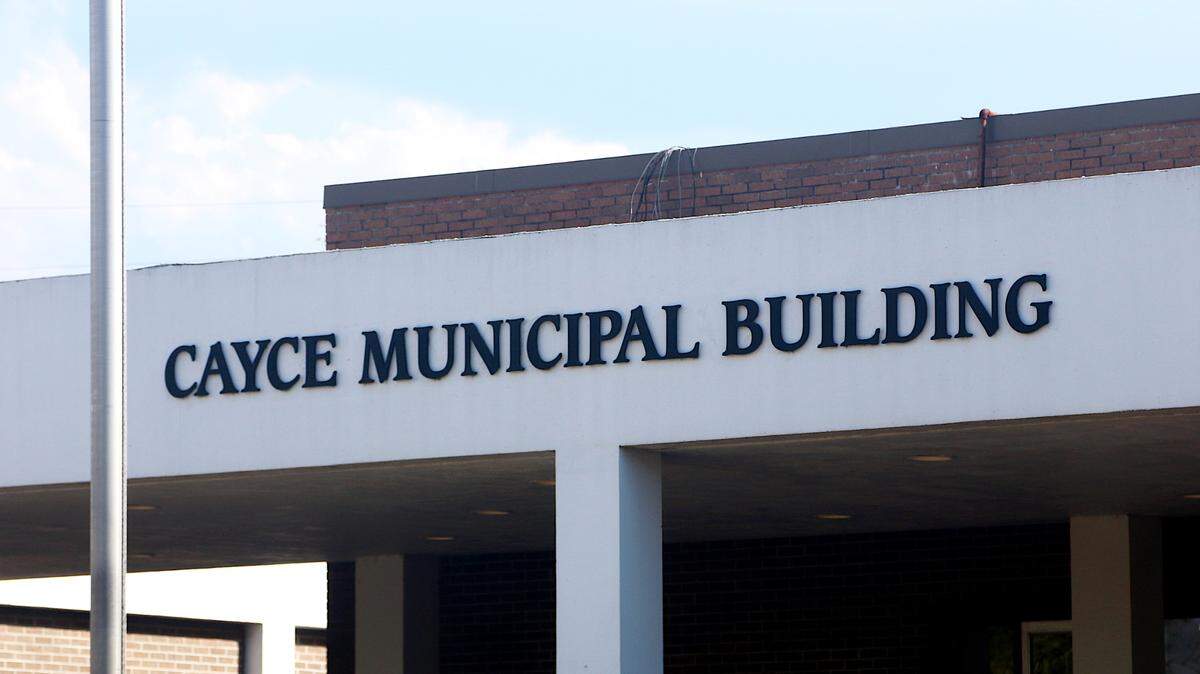
With COVID-era federal funds depleted and costs continuing to rise, Cayce is feeling a financial crunch.
The amount to which residents in the city of about 14,000 across the Congaree River from downtown Columbia will shoulder that burden has been at odds this month.
With the city’s elected leaders divided over how much taxes and fees should increase, it wasn’t immediately clear heading into this week’s final vote on the budget, which came just five days ahead of the state-mandated July 1 deadline, how the city would balance it.
Following four budget workshops where City Council and staff strategized how to bridge the revenue gap, city staff recommended a budget that included a property tax increase along with a $5 monthly increase in sanitation fees and a 25% increase to water and sewer rates. This plan would have increased expenses for a $250,000 home using 3,750 gallons of water per month by nearly $250 a year.
Some members of council balked at the steepness of these increases. Mayor Pro Tem Tim James pushed for a cut that passed on first reading, nixing the increase in sanitation fees and slashing the increase in water and sewer rates to 10%. These adjustments would have cut the increase in expenses felt by citizens by about half.
After four hours of public comment and council debate, the members ultimately took the steeper 25% option for water and sewer, putting to rest concerns that it might default on its debt obligations or have to lay off employees. The body slashed the property tax increase in half on final reading while keeping the sanitation fee increase off the table. As it was on first reading, the financial impact to citizens from these measures will be an increase of roughly $125 a year for a $250,000 home using 3,750 gallons of water per month.
Leading up to the final vote, James and City Councilman Byron Thomas noted that they felt heartache about the steepness of proposed increases with how many funds the city would have in reserve.
“We do have $9 million in our revenue fund balance, and (staff has) done a really good job of making sure that we keep a correct amount on hand, so that it takes so that anybody that we’re borrowing money from smiles upon us and knows that we have money on hand, so that interest rates are not as high as what they could be, and also that if there was a rainy day in the city of Cayce, i.e. COVID, we could continue to work,” James said at a meeting earlier this month. “That’s important that we keep a certain amount of that in there, but that may not mean all of it.”
Blunting the increase in taxes and fees left staff unable to immediately balance the budget while fulfilling debt obligations tied to Cayce’s sewer and water infrastructure, City Manager Tracy Hegler told The State, adding that she relayed these concerns to the mayor and council ahead of this week’s meeting.
“That leaves a projected deficit in our water and sewer funds for the utility department,” Hegler said of the lesser increases called for by council. “That’s what we’ve got to discuss.”
The city manager called this budget the hardest one she’s had to handle. She said the city was on an upswing when COVID hit and was able to maintain through some strategic spending cuts and leaning on federal rescue funds that came in response to the pandemic.
“The costs are caught up to us,” she said. “There’s none of these foreseeable external forces that are going to come in and shore up the revenues that were otherwise missing, because we’re paying more for the same thing. We’re paying so much more for the same thing today than we were three years ago. That’s happening to everybody in everything. It’s unfortunate. It’s a symptom of not having kind of incrementally been raising all along which, you know, people don’t always have the stomach for that either.”
Cayce Mayor Elise Partin expressed frustration that council members balked at raising taxes and fees now after not making the incremental increases necessary to keep up with expenses, as well as the fact that council couldn’t work out its concerns with the budget during its workshops. She noted that staff originally called for a 40% increase in water and sewer rates and she left the workshops with the impression that they were good to go with the 25% increase.
The mayor also said she was concerned about the potential impact to city employees.
“Our general fund employees are paid on the property tax, and the general fund will get a cost-of-living raise,” Partin said. “But our utility fund employees who are paid out of water and sewer fees will not. Our utility fund employees also have a really high chance of losing their jobs two days after the council meeting, because we will have to cut approximately 33 positions. That means lower-quality water and sewer because 49 employees are now going to have to keep up with the work of what should have been done by 82 employees.”
Partin said that even with the steeper increases, the city would still have some of the cheapest property tax and water and sewer rates in the area.
An information sheet distributed by Cayce ahead of this week’s meeting shows that even with the 25% water and sewer increase, the city’s rates ($54.66 for a month in which a household used 5,000 gallons) would be cheaper than Columbia ($60.83) and Lexington ($75.30) but more expensive than neighboring West Columbia ($39.70).
That information sheet additionally details that with the steeper hit to annual property taxes that was initially proposed, the new rate would have been less in Cayce ($661.10 for a $250,000 home) than in West Columbia ($728.41) but more expensive than in Lexington ($493.92).
Ahead of the final vote, Cayce City Councilman Hunter Sox said he was “looking to cut certain items to take care of the employees we have before we add more” and complained about the amount of time council was given to deal with the pressing financial crunch.
“This year’s budget is still being worked on by the hour as we try to find a compromise with such little room to work with,” Sox said. “The budget and budget process have been vastly different from last year’s. We were not informed this would be such a tough budget year until about three months ago; after being told we were in such great shape last year, we only needed to increase sanitation fees by a couple of dollars.”
This story was originally published June 26, 2024 at 5:30 AM.
.jpg)