
A growing town along SC’s Lake Murray is setting new design rules for future development
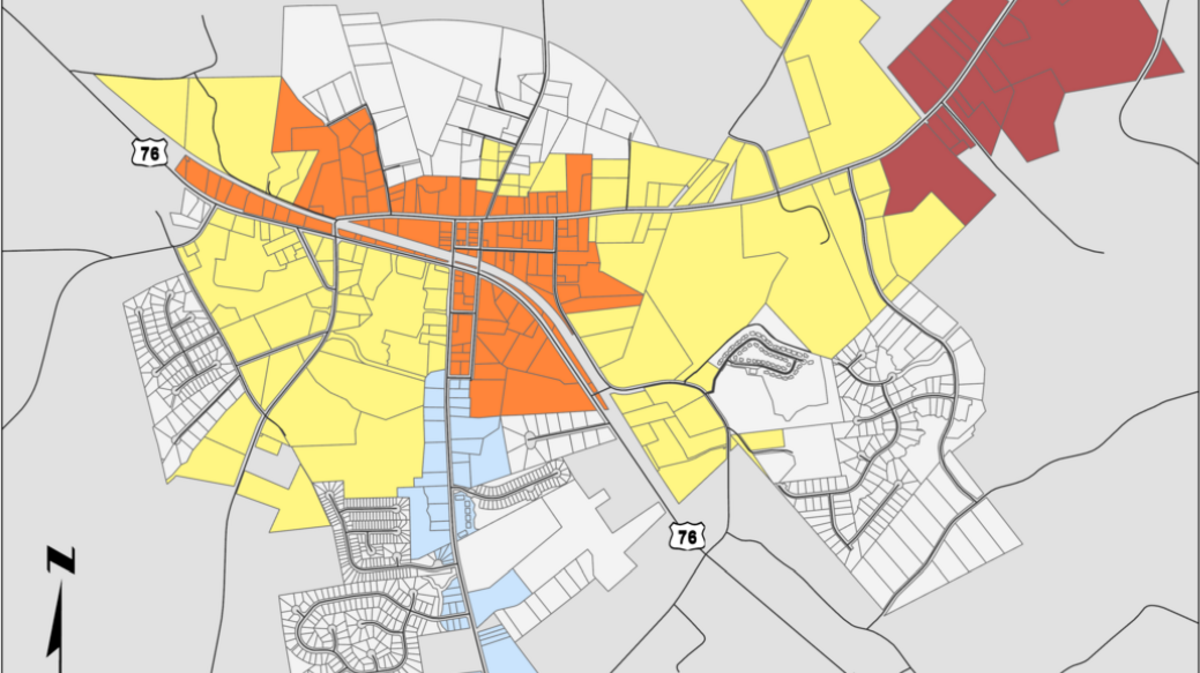
What do you want Chapin to look like? It’s a question that’s driving a recent shakeup of the town’s rules and guidelines for new construction.
Chapin’s town council gave its approval in December to tweaked design standards for buildings in the town of about 2,000 near Lake Murray. The new rules tighten restrictions on how buildings can look in much of the town in an effort to create a unified appearance for Chapin.
Previously, buildings were required to have at least 50% of their facade in brick or stone, but the ordinance adopted Dec. 17 ups that requirement to 75% throughout the downtown area and the corridor coming into town along Columbia Avenue from Interstate 26.
“It’s supposed to be the most traditional kind of architecture, it’s supposed to be primarily brick. ... That’s traditional Chapin,” Town Administrator Nicholle Burroughs told Town Council on Nov. 19. “Some have interpreted that as 50% brick in one section, and for the rest they won’t use high-end materials, they’ll do vinyl or metal.”
Under the expanded requirements, buildings could still have metal accents or wood shingles, Burroughs said. Existing buildings would only be required to meet the new standards if they build an addition of 20% or change uses.
The new rules also prohibit frontage parking in front of businesses in the town’s commercial areas, in an attempt to stop parking lots from separating business entrances from the street.
“We want to see brick facades and not a lot of parking lots,” Burroughs said. “It creates a cleaner corridor.”
In cases where the zoning administrator determines there are “incompatible uses” on neighboring lots, the town can require a six-foot wall or eight feet of vegetation between properties.
The Board of Zoning Appeals will decide if a variance is needed for any individual property, and special exceptions will be needed for uses such as manufacturing facilities, junkyards, shooting ranges and golf courses.
The town already requires an approved color palette and tree species at new construction in the town.
“Chapin wants to be different and our market is different,” Burroughs told Town Council. “What this is impacting is national brand franchises and to be honest they have millions. Chapin can be different and can choose to look nice. Don’t want to go to McDonald’s or Starbucks or Bojangles and think it looks like everywhere else.”
.jpg)