Columbia wants to get life-saving medication in the hands of those at risk for overdose
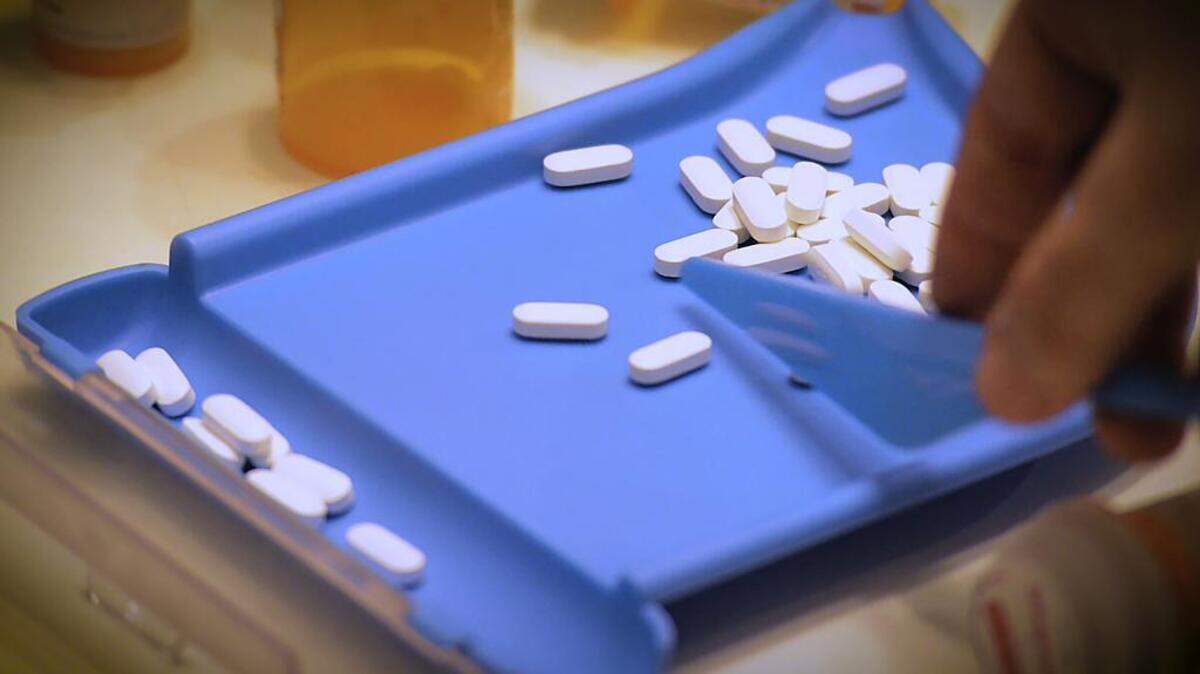
Columbia is trying something new to fight rising overdose deaths.
This year, the city of Columbia hopes to help distribute 500 doses of Narcan, or Naloxone, a medication that can reverse an opioid overdose. Columbia will also give out 400 fentanyl testing strips, which can detect the dangerous synthetic opioid that is more and more frequently being laced with non-synthetic drugs. But those life-saving tools will also be accompanied by addiction specialists who will work with those recovering from a non-fatal overdose.
The effort is part of a half-million-dollar undertaking the city is piloting this year with the goal of reducing overdose deaths in South Carolina’s capital city. City leaders say they hope it’s only the beginning for a program they believe will make a genuine impact in a community where opioid overdoses appear to again be on the rise.
Rising deaths
Opioid overdose deaths were as high as they’ve ever been in South Carolina in 2022, with nearly 2,300 people reportedly dying from an overdose, according to the National Center for Health Statistics. Preliminary data shows that number may have soared even higher in 2023.
Richland County appears to be seeing a similar trend. Opioid hospitalizations increased more than 35% in Richland County between 2021 and 2022, according to the most recent report from the South Carolina Department of Alcohol and Other Drug Abuse Services.
“Usually when people overdose on opioids, it’s not their first time [using them,’” said Trevon Fordham, director of Columbia’s Office of Neighborhood Safety and Engagement.
Columbia isn’t alone in trying to find new ways to address drug deaths, which nationwide have increased precipitously over the last 20 years. But now, states have money to fight the problem.
For years, states had been in a legal fight with opioid makers that have been charged with purposefully overselling the addictive drugs to make more money. In 2022, one of those legal battles with opioid maker Johnson & Johnson concluded, resulting in a $26 billion multi-state settlement.
South Carolina gets $361 million of that, and cities and towns can apply for a piece of it, too. That’s how Columbia got $509,024 to launch its new opioid recovery program.
“I think the settlement funds especially have helped create new pathways and new ways to access recovery support services,” said Mac Caldwell, vice president of clinical services at LRADAC, the state-recognized alcohol and drug abuse authority that serves the counties of Richland and Lexington.
“All of a sudden you have an organization that doesn’t ordinarily live in the recovery space … but now has access to funds to help the individuals they serve,” Caldwell said. “So I do think that the availability of funding for these types of projects is moving the needle.”
Fighting back
What makes Columbia’s program unique, Fordham said, is that his office will serve as a touchstone between the two nonprofits that are getting money to launch different aspects of the program.
The city awarded $285,264 to A Second Chance Resource Center Network United Inc., and $133,760 to The Courage Center, two South Carolina organizations with a focus on addressing substance abuse.
A total of $25,000 has been allocated for Narcan, most of the money going to pay the salaries of addiction specialists who will meet with residents in addiction recovery. This is the aspect of the program Fordham expects to have the largest impact.
Caldwell agreed that having addiction counselors or case managers available for people in recovery can make a big difference.
“There are so many collateral needs that a person in recovery may encounter,” Caldwell said. It’s not just providing addiction counseling, it can also be finding ways to meet more basic needs like food, shelter and job connections.
Caldwell added that there are already organizations that provide addiction counselors to those in need in Richland and Lexington counties, but having more addiction professionals working in Columbia is not a bad thing.
Other aspects of the city’s program include public outreach events and a public service announcement campaign that will be launched in coming months.
The program is one of several the city’s Office of Neighborhood Safety and Engagement will launch this year. The city department, previously called the Office of Violent Crime Prevention, is relatively new itself, formed with the specific goal of reducing gun violence in Columbia.
Fordham said this opioid recovery pilot program is just one way he hopes to pair the city’s resources with local organizations already embedded in their communities.
“We can’t make [people] get help for treatment, but because it is available, our hope is that more people will be willing to do it,” he said.
This story was originally published January 14, 2025 at 5:30 AM.