How much should developers chip in for infrastructure? Lexington leaders must decide soon
The town of Lexington has less than three weeks to finalize updates to its development impact fee before a state-imposed deadline, but some elected officials have raised concerns about consequences for local businesses.
More than five years ago, the town council governing the municipality of about 25,000 approved the fee, tacking on a one-time expense for new commercial and residential developments in order to pay for the infrastructure required to keep the burgeoning town afloat.
As the town council revisits the ordinance five years later, as required by state law, fees are expected to increase. But a faction of the seven-person council is questioning whether the price tag is too much and whether the town drug its feet on getting the updated plan to the table.
“I’m looking at this from the business owners’ perspective. If it’s fee after fee after fee, that’s a hard hill to climb as a small business owner,” Councilman Gavin Smith told The State after a Jan. 13 council meeting to discuss the proposed updates to the fees.
Since the ordinance went into effect in 2020, the town has collected some $1.7 million from both residential and commercial developments, but only spent a little more than half a million.
The collected fees are used as supplemental funding for the town to complete infrastructure projects in three categories: transportation, parks and recreation and municipal facilities. The intention being that the town would be able to fund projects without raising taxes on people who already live in Lexington, as both the county and the town have grown exponentially over the last decade and town officials grapple with solutions for keeping up.
“When a community has over 35% growth over a decade … just understand that there is absolutely no funding mechanism in the federal or state government to keep up with infrastructure,” Councilman Todd Carnes said, during the Monday meeting. “If you’re not creative, you’re not quick on your feet and find some alternative sources, you’re not going to have clean water and you’re not going to have a [police department].”
One of the major issues the county, as a whole, will have to address in the coming years is its road and highway infrastructure after voters shot down a 2022 referendum that would’ve tacked on a 1% sales tax to fund road maintenance and Lexington County Council indefinitely postponed an annual fee for drivers.
Over the next five years, town officials have budgeted to spend more than $25 million in collected impact fees on transportation projects, including addressing the often frustrating intersection between Corley Mill Road and Sunset Boulevard/U.S. 378. Lexington is also set to get $16 million from the state to help with funding for the project.
But even though the money will be used to fund massive road projects and make improvements to some of the town’s parks and municipal buildings, two council members took issue with how much in impact fees businesses are having to pay.
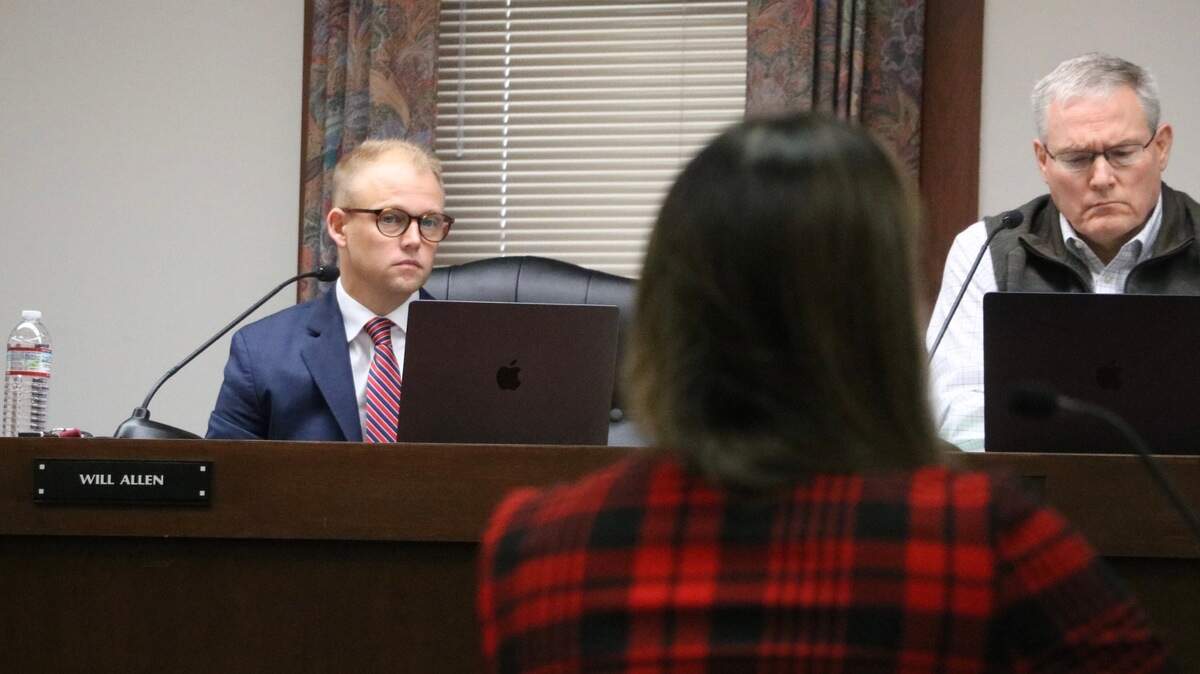
The town’s council gave initial approval 5-2 on the increased rates at a special-called meeting Monday afternoon, with Smith and Councilman Will Allen voting no.
“This is an opportunity for the town to take the burden off of some of our businesses so that we can bring some more of those locally owned businesses into town,” Smith said during the meeting, noting that commercial development is footing the majority of the bill for transportation projects.
Others on council, including Mayor Hazel Livingston, explained that the intention with having commercial developers pay more than residential developers for transportation projects is, in theory, because commercial developments would drive more cars to the town than new housing developments would.
Councilman Todd Lyle pointed to an upcoming Whataburger restaurant opening in Lexington as an example for why businesses should have to pay a larger portion of the transportation portion of the fee.
“I would bet if we put a traffic counter out front … there’d be a lot of trips, but I think the overwhelming majority of people going through that drive-thru would be non-town residents, so it’d be wholly unfair to adjust the impact fee on those residents that are in the town when they’re only a small percentage of that actual impact,” Lyle said.
Smith told The State he understands and agrees that developers should have to pay their fair share to help the town build the infrastructure needed amid growth. He acknowledged that it’s a nuanced issue and that it’s possible he could change his vote in the upcoming meeting, but he questioned when “enough is enough.”
When the town council takes its second and final vote on the matter in late January it will only be voting on the fees that go to the parks and recreation department and municipal facilities fund. The council plans to take up the transportation portion of the fees later in the year.
Aside from raising concerns about the consequences for local businesses, Smith also questioned why the town did not have more time to look over the proposed changes.
The town began initial planning to hire a contractor who would conduct the impact fee study in April, but the survey didn’t start until October, town staff told council Monday. The survey was handed to the town in December, giving the town council around a month to review and decide on whether to approve it.
A spokesperson for the town reached out to The State after this article initially posted to emphasize that it rehired the same contractor from the last time the town updated impact fees and that this couldn’t take place until the budget for the current fiscal year was approved in July.
Assistant Town Administrator Stuart Ford explained that issues arising from Lexington County canceling the town’s roads agreement contract, which had been in place since 1978, and litigation surrounding PFAS were among the complicating factors that led to staff prioritizing other things.
This story was originally published January 15, 2025 at 5:00 AM.