
Spend millions or outsource water service? Whichever Midlands town picks, bills will go up
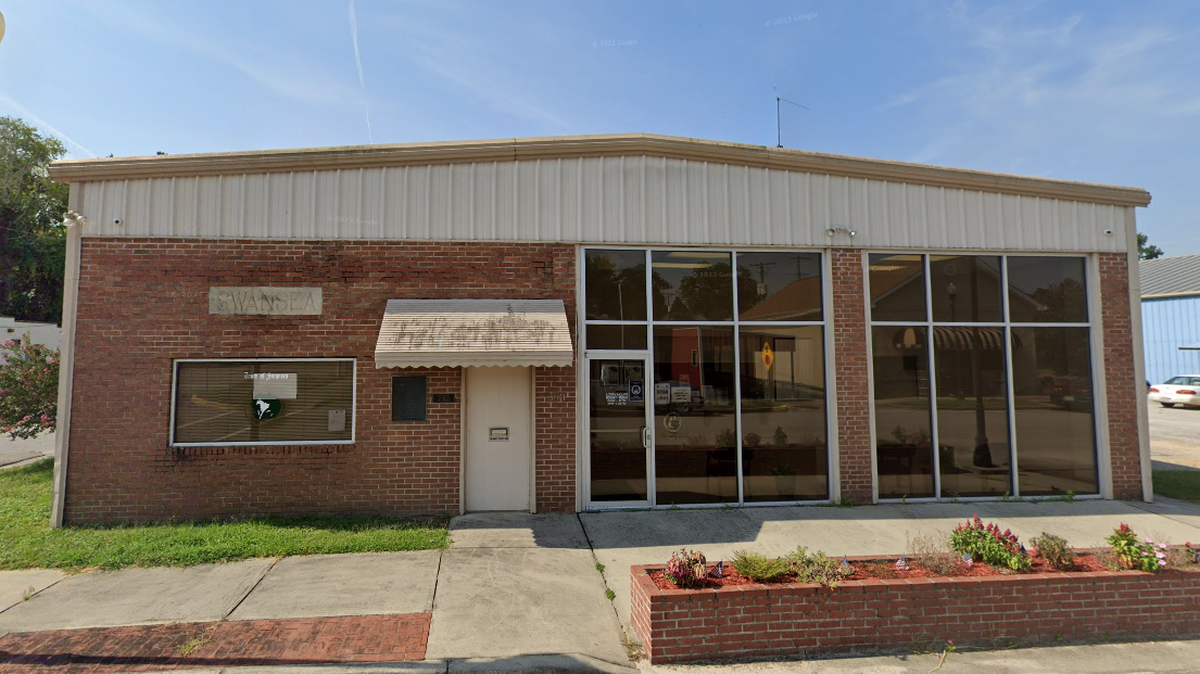
Swansea’s water system has deficiencies that could cost the small town millions of dollars to fix — unless it outsources its water services to an outside agency, a study presented to the town council Monday found.
A study by consulting firm W.K. Dickson identified several issues with the water system of the town of about 700 people. Water meters are consistently not being read or billed, often because the meters are faulty, said consultant Danielle Dowd, costing the town revenue. The system also suffers pressure and flow issues, and loses water to leaks that may go undetected.
“We found leaks during the study, but we don’t have them all,” she told the town council.
The report recommended several capital improvements and repairs to Swansea’s water and sewer system that would total $15 million over 10 years. Running through the cost estimates elicited audible groans from town council members during Dowd’s presentation.
The report looked at whether Swansea should continue to operate its own water system, enter into a long-term contract agreement with Lexington County’s Joint Municipal Water and Sewer Commission, or franchise its water system to the commission in its entirety in exchange for a set fee.
“When we looked at operations and maintenance, what we saw were challenges with staffing, being reactive rather than proactive, and a lack of a capital plan and funding,” Dowd said.
The report also flagged multiple regulatory compliance issues with the town’s system. Of 16 compliance programs examined by the report, Swansea had implemented two well, needed improvements on five and nine were either missing or insufficient, the consultant said.
If Swansea’s system continues to operate independently, the town’s water bills may need to triple to meet costs.
If the town ultimately enters into a franchise with Joint Municipal Water, on the other hand, bills would rise by around $30 each, Dowd told the council.
Under a franchise agreement, Swansea would maintain ownership of its water and sewer systems, but all operations would essentially be taken over by the water and sewer commission’s 38 full-time employees.
Currently, Joint Municipal Water assists Swansea with maintenance and repairs and provides backup staff, while the town continues administrative tasks of metering and billing under an 18-month agreement approved by the town council last July.
Joint Municipal Water, the service provider for much of Lexington County, has not had any formal talks with Swansea about what a longer-term arrangement might look like, the provider’s general manager Jay Nicholson told The State. He expects those conversations to pick up after the W.K. Dickson study.
Swansea Town Councilwoman Doris Simmons told The State she had been reluctant to cede the town’s water system to the utility, but added that the financials will make other options difficult — especially as Swansea has struggled financially and hasn’t collected as much money as it could have from running its own water department, which she says the study highlights.
Her main concern was whether the town would lose revenue if they were operating as a franchise of the water and sewer commission.
“Our water department would pretty much dissolve,” Simmons said. But given the price tag of needed improvements identified in the study, “there’s no way we can do it the way it’s been handled the last four years, the last eight years really. We have reached a point where we have no choice in the matter.”
This story was originally published January 29, 2025 at 8:56 AM.
.jpg)