Is SC’s capacity to process meat for markets, restaurants keeping up with demand?
The sun is on the cusp of piercing the morning sky, water droplets coat blades of grass as Amanda Jones climbs into her pick-up truck, a hitched trailer full of turkeys in tow.
It’s a quiet two-hour drive in a red Chevy from Blythewood, a bedroom community of the state’s capital, down to rural Kingstree, S.C., a town of around 3,300 situated halfway between Columbia and the state’s coast. The truck’s radio only gets one station, so Jones usually spends the 80 miles to the processing plant in silence.
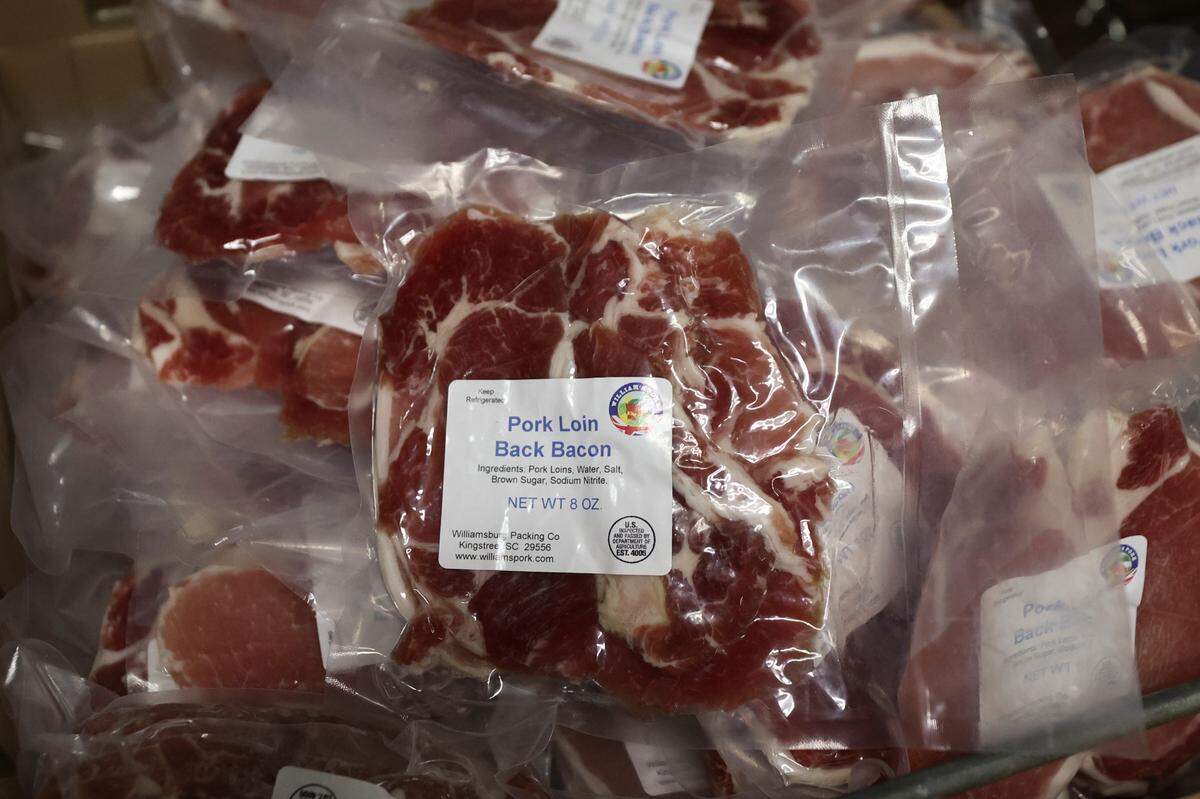
The drive down to Kingstree is a costly necessity for Jones – her family farm, Doko Farm, raises turkeys, chickens and hogs, but doesn’t slaughter and process them on the farm. So Jones makes the round-trip drive to Kingstree, home to Williamsburg Packing Co., one of the state’s few USDA-inspected processing plants meant to service smaller farms.
“It’s definitely a challenge as a livestock producer,” Jones said. “I do envy my friends that grow vegetables.”
It’s gotten easier and less chaotic for some than the early days of, and the immediate years following, the COVID-19 pandemic, as more farmers have moved to sending their cattle out of state and processors have expanded their services.
But Jones’ experience isn’t unique. With few slaughterhouses across the state aimed at serving small- to medium-sized farms, South Carolina farmers say the few options available leave them with lengthy drives, waitlists and often at the mercy of the few businesses that offer the services they need.
Limited options for small farmers
When farmers market season begins in the spring, Russell Singleton usually goes back and forth from Sunny Cedars Farm in Sumter to the packing plant in Kingstree with as many as four hogs a week. He’s seen an increase in demand for what he’s selling as more people from other states flood into South Carolina with a growing interest among out-of-state transplants for knowing where their food comes from.
But even as the demand for his products grows, the 67-year-old Sumter native hasn’t seen much of an increase in capacity for processing facilities in the state.
“I wouldn’t really want to go out of state and travel that far, although I hear of people all over the country and some of them are just traveling hours and hours so there definitely is a need for more USDA processors,” Singleton said.
In Kingstree, Sep Harvin owns Williamsburg Packing Co., one of the state’s preeminent processing plants for small to medium-sized farms. His company works with around 100 farmers – some he sees every week, others he might only see once or twice a year.
Since Harvin bought the slaughterhouse in Kingstree in 1990, his family has expanded the facility, adding more ability to process different animals and more than tripling the plant’s revenue.
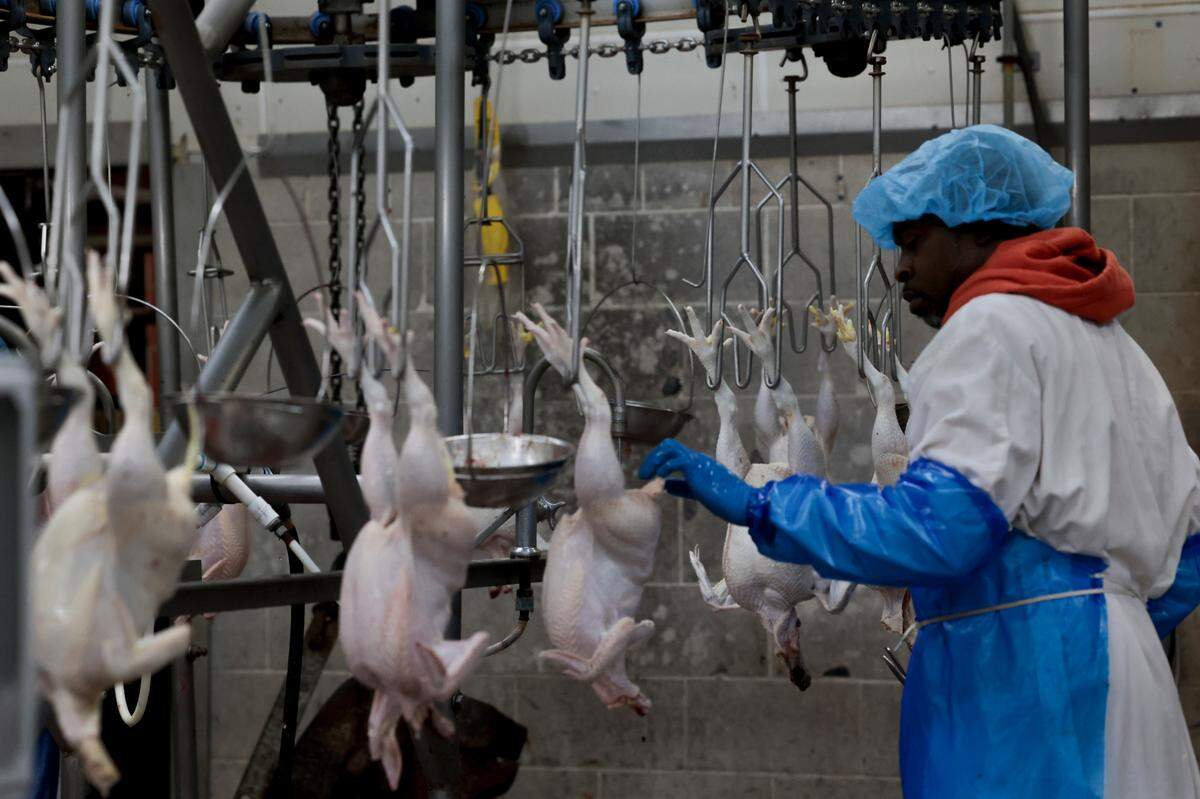
Even still, Harvin has a waiting list at different times of the year, occasionally having to turn away farmers looking to bring their cows. After a shift in popularity from whole chickens to cut chickens after the pandemic, Harvin said the amount of chickens they process has decreased to give workers the time to cut up the chickens, as opposed to leaving them whole.
His customers come from across the southeast, neighboring states Georgia and North Carolina, all the way up to Tennessee.
With some farmers traveling from South Carolina to neighboring states to get their animals processed, the state’s agriculture department saw the need for more. In 2022, it set aside grant funding for existing facilities like Harvin’s to expand. Harvin was given a grant to add more storage to his facility, but ended up not using it because the cost for the upgrades was too high.
Following a significant spike in the demand for animal processing capabilities during the pandemic, the numbers have leveled out, Steve Richards, a researcher at Clemson University who’s studied the phenomenon, told The State.
Supply chain issues during COVID
For more than three years before the pandemic started, Colleen Snow and her husband, Donald, routinely drove their hogs four hours to a North Carolina processing plant. The multiple trips eventually became unfeasible, Colleen Snow said.
When the pandemic started, things only got worse. Waiting lists to get on a meat processor’s schedule got longer, as supply chain backups led more people to lean on small farms as opposed to grocery store chains.
“All of a sudden we couldn’t get dates at the processing facility because everybody and their momma had a cow and they really wanted to get their animals processed so now all these people [were] in line ahead of us,” Snow told The State.
The uptick wasn’t just anecdotal – supply chain backups that already existed were exacerbated by the pandemic, Richards found through his research. An opportunity for farmers to capitalize on the higher demand for more local meat products was stifled by the lack of enough processors, according to Richards’ research in the spring of 2020.
That’s where the S.C. Department of Agriculture stepped in, handing out more than $2.2 million in grants to incentivize processors to expand their operations in an effort to curb some of the potential impacts of supply chain bottlenecks.
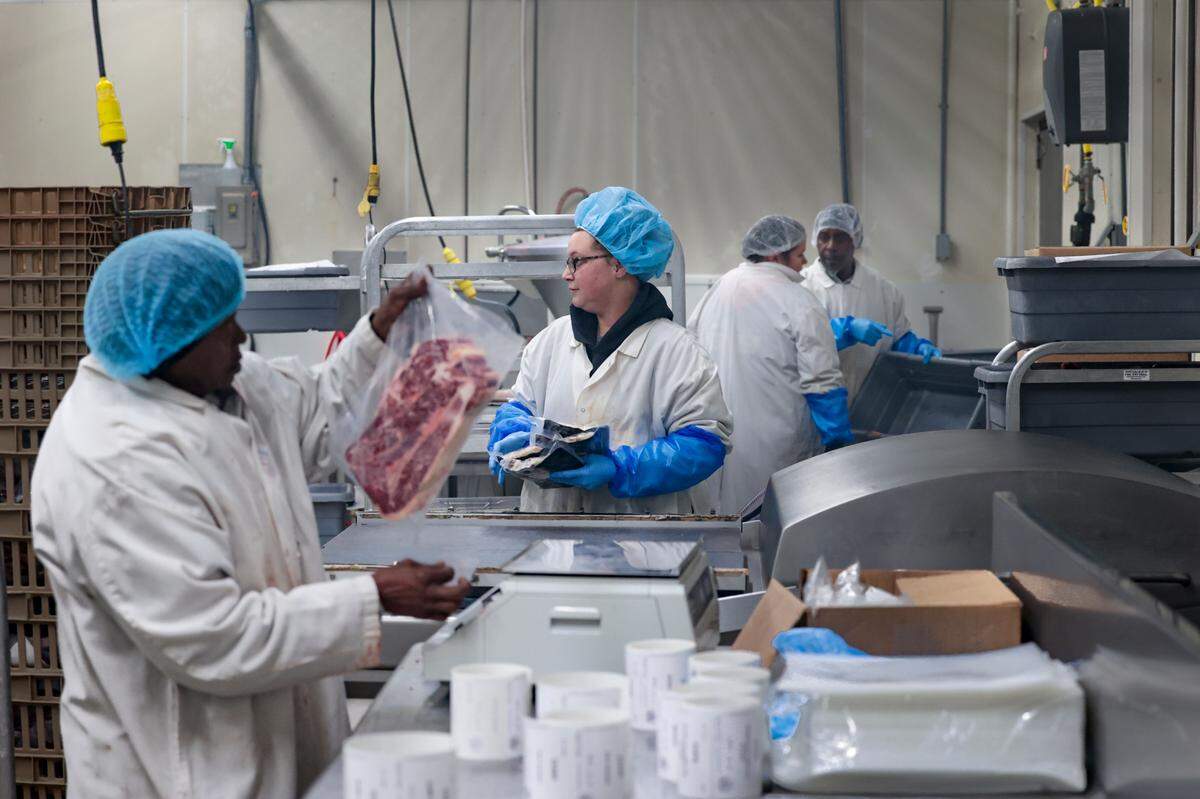
The Snows, who own PF Meat Company in Belton, took matters into their own hands when the waiting list at the North Carolina processing plant became too much after the pandemic started. They bought an old facility and fixed it up to be used for their own processing and for farmers in the area.
Later, they were one of nine processors to receive one of the grants from the agriculture department to add cooler space and purchase more equipment.
As the agriculture department was putting its eggs in that basket, some farmers were already beginning to sell their cattle off for a profit as opposed to getting them slaughtered and processed in state – a process commonly referred to as “finishing” an animal.
“The price for selling a calf has never been higher. The last three years, it’s been astronomical so people are like, ‘Why would I ever? You would actually lose money finishing an animal,’” Richards told The State.
Why aren’t there more?
With the number of livestock producers sending their cattle to be finished out of state in recent years and processors slowly increasing their capabilities, the situation has improved from where it was five years ago.
But local livestock producers looking to sell their meat to restaurants or farmers markets have to find the perfect middle – a processor who is big enough to squeeze them into the schedule, but not too big that they don’t accept smaller producers, and also that is routinely inspected by the South Carolina Meat-Poultry Inspection Department or the U.S. Department of Agriculture.
There are large processing plants in South Carolina, such as House of Raeford in West Columbia and Amick Farms in Batesburg-Leesville, that slaughter and process thousands of chickens a day and there are more rural processors that aren’t overseen by federal agriculture workers, which restricts farmers to only being able to sell their products within the state.
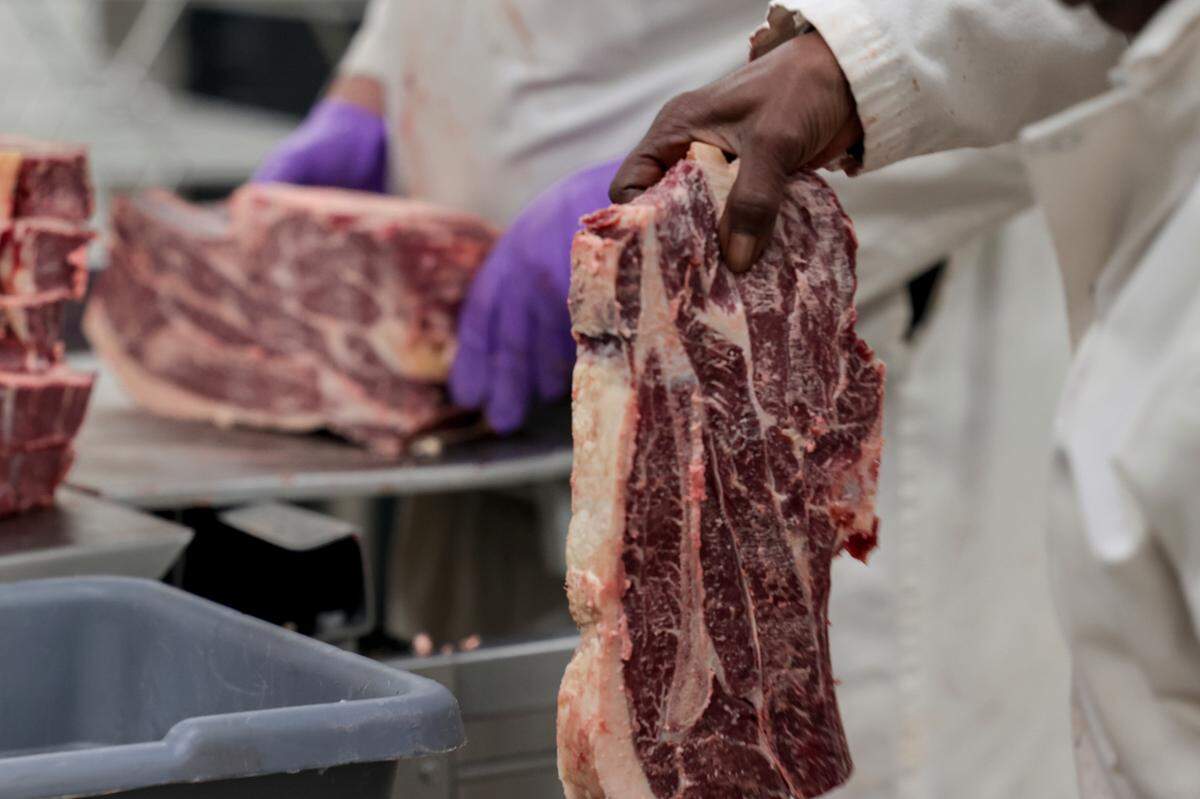
That leaves processors like Williamsburg Packing Co. and PF Meat Company to fill the gap.
Even though Harvin, in Kingstree, was approved for the grant from the agriculture department to add on to his facility’s square footage, he never went through with the project. It felt like too much to justify the cost, after he’d taken on debt in the past to fund upgrades to his facility.
“I’m 66 years old, I’ve done that three times. I’m not doing it again,” Harvin laughed. “They’d give you half a million [dollars], but you’re going to wind up spending $900,000 to get it done.”
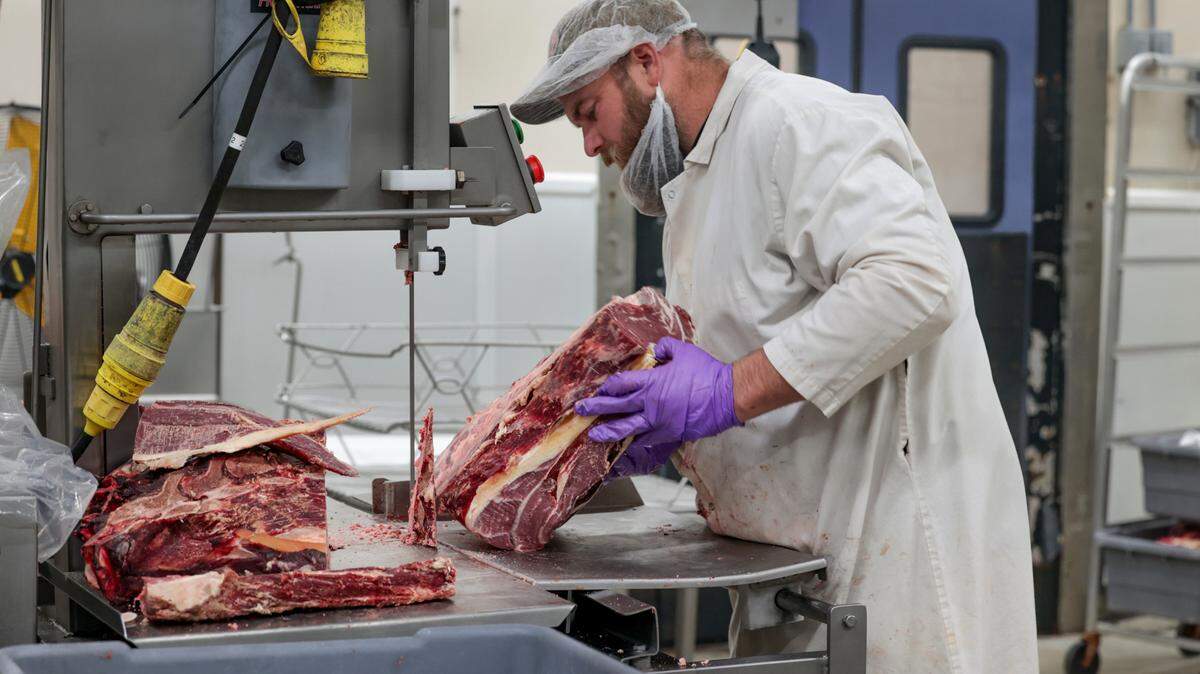
He’s been in the business of slaughtering and processing animals – putting them to sleep with gas, cleaning and cutting and, for some animals, hanging to cure – for most of his adult life so the reality of it is unbothersome, a natural part of life.
It’s not that way for everyone. Besides the high cost of equipment to run the place, finding workers for processing plants is tough. It’s not a particularly glamorous job and the pay isn’t always great, with most meat packers making around $31,000 annually, according to 2023 data from the Department of Bureau and Labor Statistics.
“It is a bit of a soul-sucking job, there just aren’t a lot of people that want to do it, so even when there has been additional funding and support to get more processors up and running, it’s hard finding people that want to do it and are able to stick with it,” Jones, the farmer in Blythewood, said.
This story was originally published April 11, 2025 at 5:00 AM.
CORRECTION: An earlier version of this story incorrectly stated where meat inspected by South Carolina inspectors can be sold. It can be sold at restaurants and stores within South Carolina, but not across state lines.