SC liquor liability law aims to help bars. Columbia owners have mixed feelings
For the last couple years, bar and restaurant owners have been sounding the alarm on an escalating liquor liability insurance crisis in South Carolina, an issue that has led a number of establishments across the Palmetto State to close or curtail operations.
In the waning days of this year’s legislative session at the Statehouse, lawmakers struck a deal in an effort to ease some of those insurance costs. The agreement has been approved by both the S.C. House and Senate and signed into law by Gov. Henry McMaster.
In the week since the legislature passed the agreement, various bar and restaurant owners have offered mixed reviews of the new law. Some have praised the ways in which it could reduce the size of the insurance policies places that serve alcohol are required to carry.
Restaurateur Steve Cook offered a generally positive, if measured, outlook on the liquor liability legislation. Cook owns Five Points fine dining mainstay Saluda’s, as well as the Columbia pizza joint Il Bucato and the Arroyo taco joint in Five Points, and is set to open the high-end steakhouse Ember in Lexington in the coming weeks.
“The compromise passed last week was not everything we hoped for, but it’s better than what we had before and it’s a step in the right direction,” Cook said.
Still, others have pointed out the recently passed deal doesn’t initially seem to offer as much relief for bars that stay open late at night. And some are worried about the fact the new legislation doesn’t take effect until Jan. 1, 2026, some seven months away.
Phill Blair is a Midlands hospitality industry veteran and the owner of West Columbia’s popular WECO Bottle & Biergarten.
“Honestly, it’s not great,” Blair said of the bill. “If I had to describe it, I’d say it’s a complete dud. It’s wishful thinking at best, and also doesn’t even take effect until Jan. 1, 2026. So, how they think that’s immediate relief, that’s also confusing.”
Blair pointed out it’s only May and that many establishments will have policies that will renew this year before the new legislation is in effect. WECO’s insurance, for instance, renews in the fall.
A state law passed in 2017 required establishments that sell beer, wine or liquor for on-premises consumption after 5p.m. to carry at least $1 million in liquor liability insurance. In that law’s wake, restaurateurs said a number of insurers left the market in South Carolina in the last several years, thereby limiting the number of carriers they can use. Subsequently, many restaurateurs and bar owners have seen liquor liability insurance rates skyrocket.
The new deal approved by legislators offers a handful of ways in which establishments could reduce the amount of liquor liability insurance they are required to carry. The bill describes it as “liquor liability risk mitigation.” Establishments will be able to qualify for relief by doing things like closing earlier than midnight, having employees go through alcohol serving training courses, having less than 40% of their sales come from alcohol, and using a digital identification scanner if serving alcohol between midnight and 4 a.m.
There are various levels of relief depending on which of those marks a bar hits. For instance, the law notes that an establishment that closes by midnight could reduce its insurance requirement by $250,000.
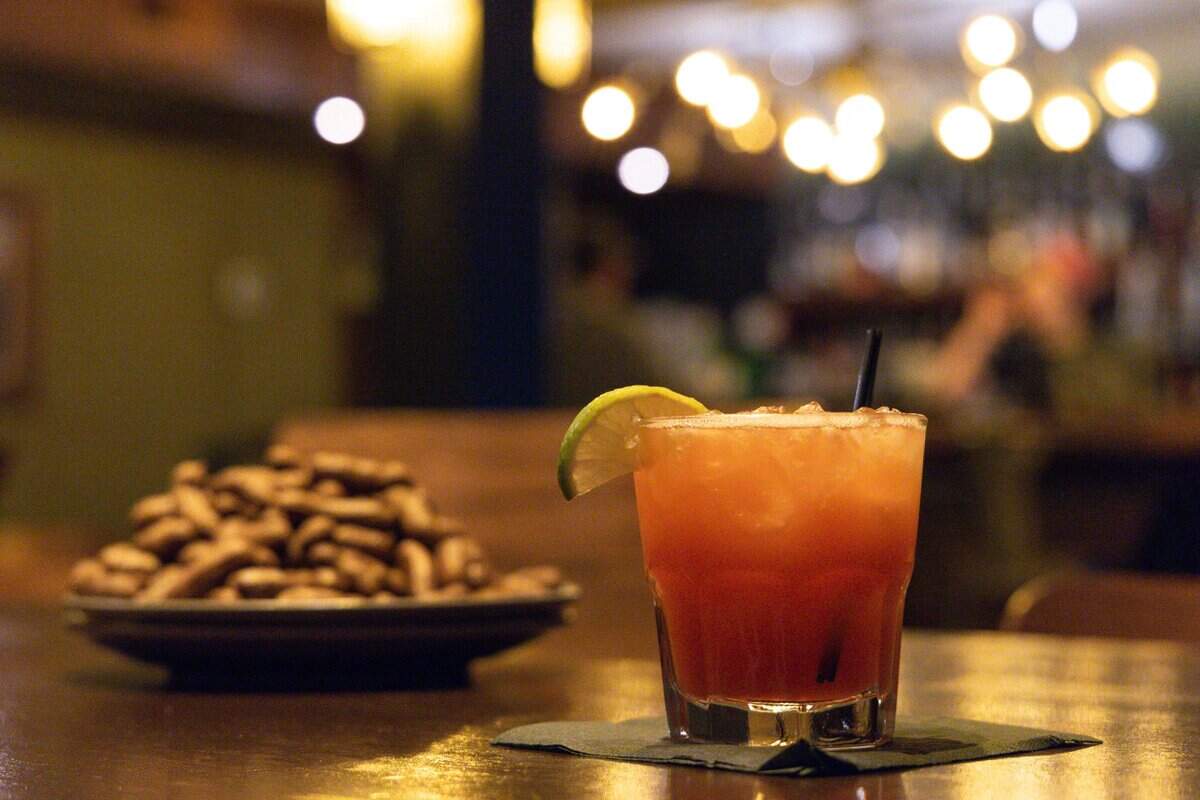
‘A difficult environment’
Will Green is the co-owner of The Hoot, a bar on Rosewood Drive known for its cocktails and vegan food menu. The hospitality industry veteran said he thinks the recent legislation is a bit of a mixed bag.
“It’s a start,” said Green, who also was a co-owner of venerable underground bar The Whig before its November 2022 closure, . “I think it offers some relief. I think we still operate in a pretty difficult environment here in South Carolina.”
Specifically, Green noted that the number of providers and underwriters for liquor liability insurance has been greatly reduced in South Carolina, and more competition is needed to perhaps drive down rates. Various restaurant owners The State spoke to for this story said there are only a tiny handful of providers operating in SC for liquor liability.
“We don’t know what the insurers are going to do yet,” Green noted. “We might get to next year and there still only be [a few] operators. Maybe they lower their prices, and maybe they don’t.”
For Jon Sears, who co-owns a number of restaurants and businesses in Columbia, the new law potentially has divergent impacts on his establishments. For instance, he has the high-end Hendrix on Main Street, a more food-focused establishment that closes before midnight most nights. But he also has places such as Jake’s, the longtime Five Points bar that stays open well past 12 a.m.
Sears said he doesn’t believe the new law provides much relief for establishments that are open late into the night.
“It didn’t do nearly what it should have set out to do,” Sears noted. “It’s just a watered down bill. It doesn’t do a lot for a place like Jake’s, especially, that stays open past midnight and sells more than 40% alcohol. Those deductions on your policy limit, it doesn’t really help anybody who stays open later and sells a good bit of alcohol.”
Cook, who is a longtime leader in the Five Points Association, was part of the Responsible Hospitality Reform Alliance group that lobbied for liquor liability reforms this year.
“At the end of the day, this is much better than where we were six months ago,” Cook said of the recent liquor liability deal. “With the legislature, it’s very easy to criticize a lot of the different things they do, but all we can do is be happy that there was some compromise reached.”
Part of the recently passed bill brings changes to the state’s joint and several liability law as it relates to liquor liability. Under the measure, the people who contributed to a plaintiff’s injuries will be on a verdict form in lawsuits instead of the way it has been, with a plaintiff being able to zero in on one person who only has partial responsibility, but has the deepest pockets.
“The reality is that we have been leaving the person most culpable for the injury off the verdict form for years now, and the goal is to rebalance this and let a bar who has really no liability in all of this not end up being punished for something they didn’t do,” state Sen. Michael Johnson, R-York, told reporters recently.
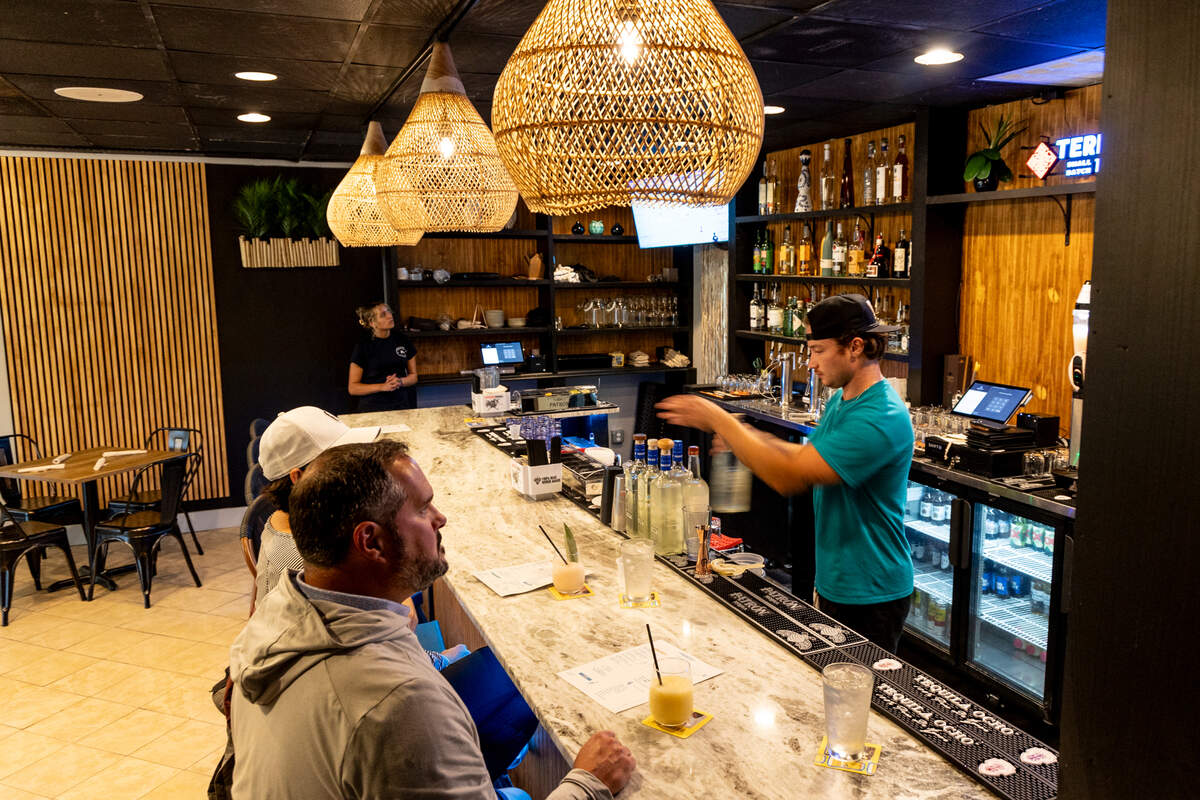
‘Wishful thinking at best’
In the last two years, Blair, the WECO owner, has been strident in his insistence that skyrocketing liquor liability insurance rates have hamstrung the bar and restaurant industry in South Carolina. Blair told The State earlier this year that, at WECO, his liquor liability insurance rates have risen from $13,000 annually to $70,000 annually in the last four years.
While Blair did leave space for some positives — he pointed to the potential reductions in the amount of insurance establishments will be required to carry, for instance — he has a generally dim view of the recently passed reforms.
Blair noted the liquor liability law stipulates that everyone serving alcohol in restaurants and bars in South Carolina will have to get certified alcohol server training. While having certified servers is a good thing, he’s skeptical that insurance companies are going to rush to lower rates based on that factor.
“I can tell you how many times I’ve been asked for that when I go to renew my insurance: zero,” Blair said. “This is just one more thing that is just placating an imaginary idea that they are going to force the insurance companies to lower their rates.”
While some restaurateurs and bar owners broadly see the recent legislation as a step forward, some say more relief is needed, and would not be surprised to see continued efforts to encourage lawmakers to do more to refine the law in the years ahead.
“I’m glad there was some activity, but I’m worried some people will get complacent about it and say, ‘OK, well, it’s fixed,’” Green, the co-owner of Columbia’s The Hoot, said. “But there are still longstanding issues with how we handle alcohol in this state that make it sort of anti-competitive.”
Joseph Bustos contributed to this report.
This story was originally published May 14, 2025 at 9:19 AM.