SC closing restaurants for health violations used to be rare. That’s changing
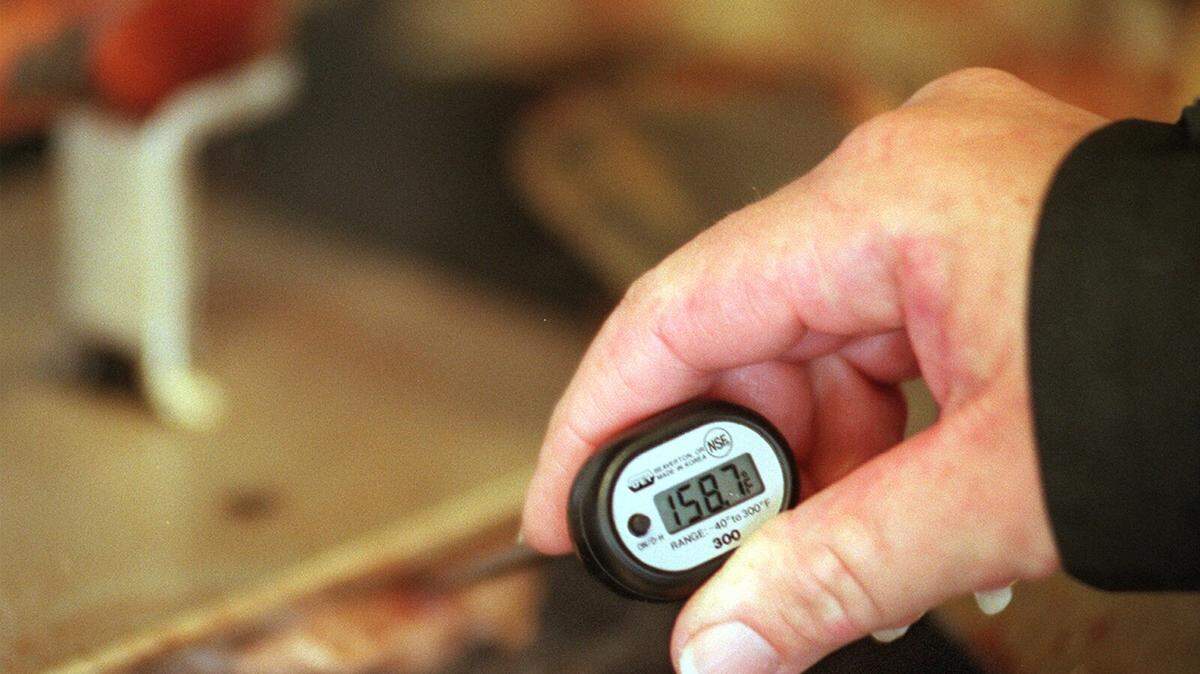
In the year since South Carolina split its health agency in two and moved some functions to longtime agencies, the state’s agriculture department, now in charge of restaurant safety inspections, has beefed up both its staff and enforcement.
When the state Legislature’s plan to split the Department of Health and Environmental Control into two agencies – an environmental agency and a health department – went into effect last July, the state’s agriculture department nearly doubled in size. The agency, which had long focused on things like promotional programs for local farms, grant allocations and wholesale food inspection, was put in charge of inspecting more than 24,000 restaurants and eateries across the state.
Over the last year, the Department of Agriculture, with some $2 million in state allocations in hand, hired 25 new inspectors, more than tripled its fleet of employee cars available for driving to restaurants and started suspending permits for eateries with repeated health code violations, an enforcement process DHEC had only used on three occasions from 2019 to 2023. In the last six months, the agriculture department has suspended 11 permits.
Tightening enforcement
The agriculture department spent about six months getting its feet under it when the agency was handed responsibility for retail food safety inspections. This included bringing on new staff, purchasing more department vehicles, changing over technology and reshuffling workflows and jobs.
At the beginning of the year, officials amped up enforcement of the state’s rules, rolling out a new plan for punishing restaurants that were consistently found in violation.
For decades, the health department’s food safety branch took a laidback approach – fining restaurants with repeated issues, but stopping short of shutting doors. The thought process was that the fines, if severe enough, would eventually put a repeat offender out of business. But in reality, the system allowed eateries with lengthy histories of violations to continue serving food to the public for years.
The agriculture department has taken a different approach — after a restaurant has been fined three times for a repeated offense, the department suspends its permit for five business days with an announcement plastered on the door about the reason for the closure. After enough suspensions, the department can move to completely revoke a restaurant’s license.
“Once you go through enforcement three times, we suspend you. It gets the point across. It’s not just [that] we suspend you, scrape the sticker down and somebody at the restaurant can put up a sign that says ‘family vacation’ or ‘closed for sanitation.’ We have a suspension sticker that goes up on the wall,” said Derek Underwood, deputy commissioner over the Department of Agriculture’s Consumer Protection Division.
Restaurants are fined for committing the same infraction twice, with fines typically being reserved for higher-issue violations like food temperature problems or bugs. But restaurants with repeated violations aren’t the only ones at risk of being suspended. The agency has also begun shutting down restaurants that score lower than a 60 immediately.
“We call that a lack of establishment or institutional control. If you score that bad, something’s going on, so you either close your business down then or we suspend you,” Underwood told The State.
The increased enforcement has gotten pushback, Underwood said, especially from chain restaurants that the department has shut down over repeated issues. At least two chains, a Paris Banh Mi franchise in Columbia and a Chipotle in Anderson have, had their permits suspended by the department since January, according to enforcement reports.
“The shift to SCDA from DHEC was a significant undertaking, and we’ve observed a period of adjustment for all involved,” Lenza Jolley, the spokesperson for the S.C. Restaurant and Lodging Association, said in a statement to The State. “From our perspective, a unified agency dedicated to food safety across the supply chain, from farm to table, holds great promise for a more consistent and effective approach.”
Steve Cook, a prominent Columbia restaurateur who owns Saluda’s and Arroyo Tacos + Tequila in Five Points and who opened Ember in Lexington after the agriculture department took over inspections, said that while he’s “philosophically opposed” to the government having the ability to shut down a small business, he believes restaurants do have a responsibility as people who serve food to the public.
“Those are the kinds of things that everybody is on board with … it’s just like everything else in life, if you have the same issues and refuse to correct it then there’s got to be some kind of punitive action or else what’s the incentive for you to actually change it?” Cook said.
Increasing staff
Prior to the split, the food safety department of DHEC had employed the same number of inspectors – around 75 – since 1997, while the number of eateries those inspectors were tasked with visiting had increased exponentially. The agency had around one inspector for every 189 restaurants 30 years ago. Today, it has one inspector for every 274 eateries, Underwood said.
That number is down, though, from before the agriculture department took over in the summer of last year. Even as the number of retail food establishments, which includes restaurants, school cafeterias and gas stations that serve food, has increased from 20,500 in late 2023 to 24,197 in 2025, the department has hired 25 new inspectors and has 10 more positions to fill, Underwood said.
On top of increasing the number of inspectors, which Underwood said was done in part by bumping up the starting pay, the agency has also begun requiring inspectors to complete a certain number of inspections in the evenings and on weekends.
Prior to the switchover, less than 1 percent of restaurant inspections from 2019 to 2023 happened after normal business hours, according to data from DHEC. This meant that restaurants and bars open later in the evening and food trucks operating on inconsistent schedules weren’t being inspected as often as they should be.
In January, the agency rolled out a plan to have each inspector complete at least 15 hours a year of holiday and weekend inspections and then double that to 30 hours a year by next year. The hope is to conduct more routine inspections to meet the agency’s goals – for most full-service restaurants, DHEC aimed to conduct at least three inspections per year, but often didn’t hit that goal.
Underwood said while the department has made improvements on getting routine inspections completed, through adding more staff and giving each employee a car, there’s still room to improve. In the year since the agriculture department has taken over inspections, it’s completed nearly 27,000 routine inspections of South Carolina’s 24,000 eateries.
After all the changes the department has made this year, Underwood said his goals for the upcoming year include moving most of the agency’s functions to an online portal and replacing some of the agency’s older cars. He’d also like to see the agency work with local municipalities to lay out a clearer pathway for opening a restaurant.
“We’re targeting the habitual violators, not the restaurant that all of a sudden one day an inspector goes in and the cooler is down or they’re short-staffed,” Underwood said. “Those are snapshots. We still have to document them, but those are easy to work through with coaching and talking. It’s the folks who habitually operate at that C mentality, that ‘I’ll just pay the fines and play the system.’ Those days are over.”
This story was originally published July 15, 2025 at 8:44 AM.