
1930s Midlands water system struggling to keep up. What’s being done?
When residents of Batesburg-Leesville turn on the tap this fall, the water coming out will come from the town’s first new water source in nearly a century.
A community that was once under a state consent order to improve on its 90-year-old water plant and reservoir is set to begin running water from a new connection with the Lexington County Joint Municipal Water and Sewer Commission, which officials hope will be able to serve the growing community for years to come.
Town Manager Jay Hendrix said Batesburg-Leesville has spent about $1 million of its own money connecting the town to the new system. About $10 million was received from the S.C. Infrastructure Improvement Program, a part of the state’s Rural Infrastructure Authority. Another $2.8 million in grants from a state matching fund was used to connect an outlying area where the town used to purchase water from the Gilbert-Summit water district, Hendrix said.
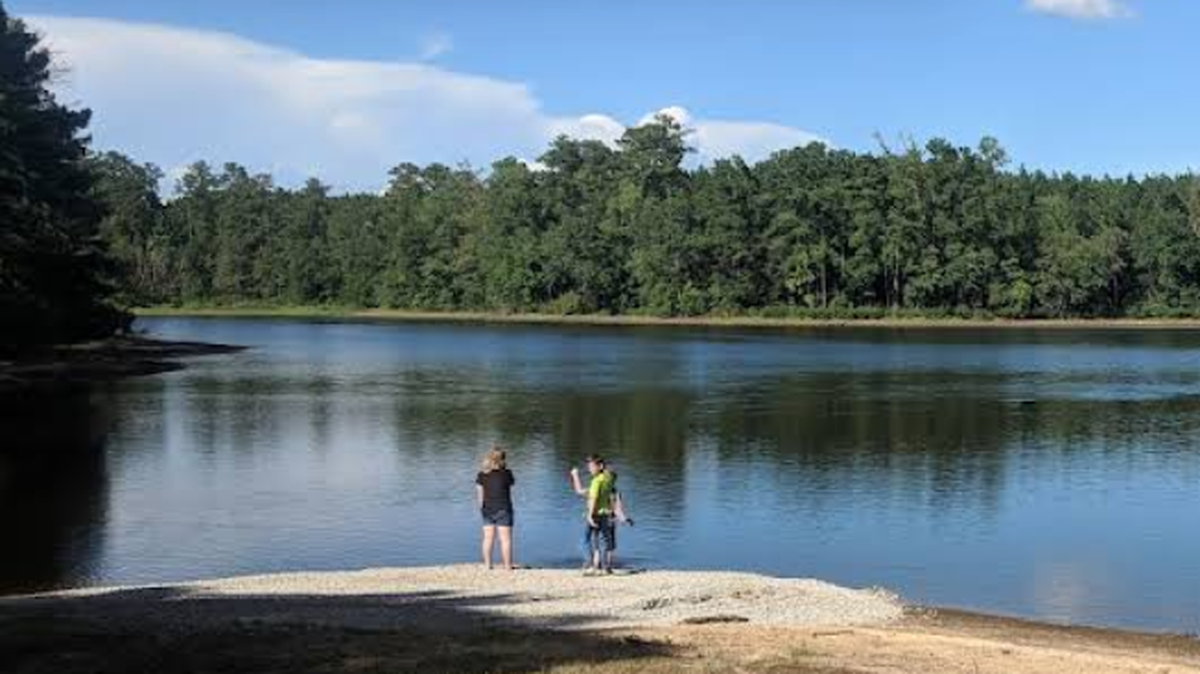
He called the existing town town reservoir, fed by a stream, insufficient to meet the town’s growing needs.
“We’re improving infrastructure from the WPA era during the Great Depression,” Hendrix said. “It’s basically been held together with duct tape and bailing wire.”
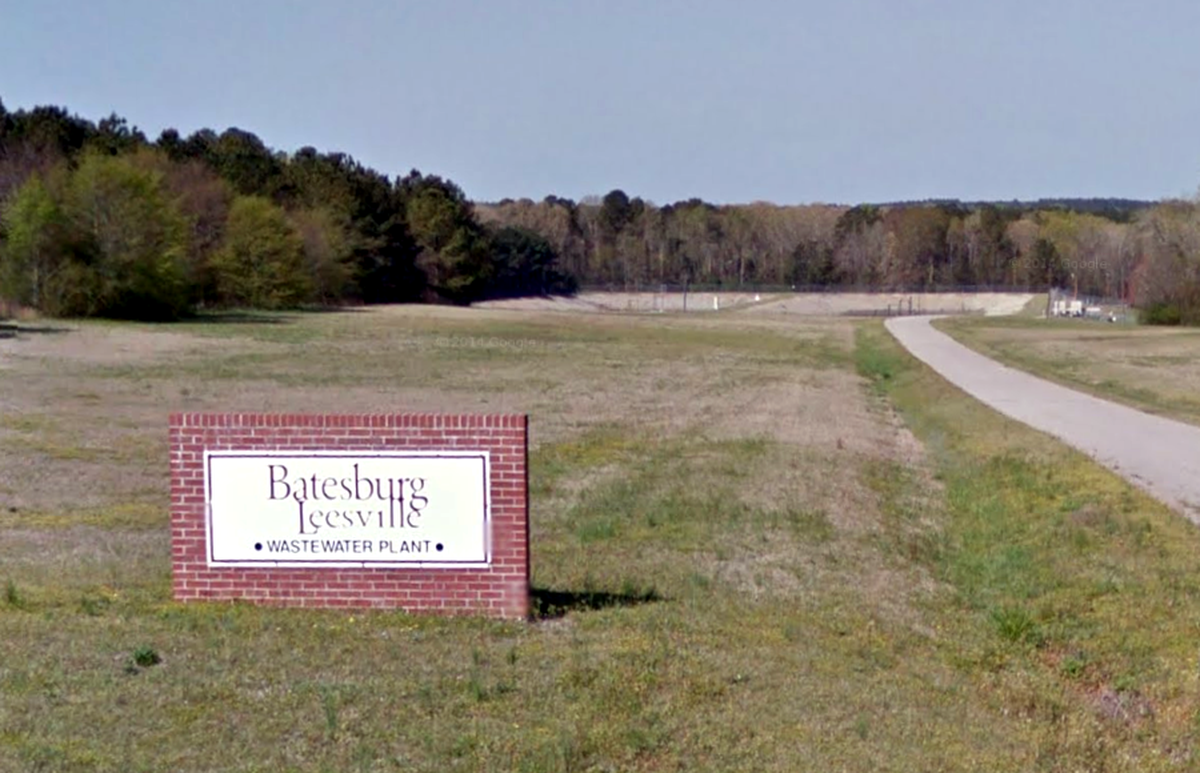
The water plant was initially built by the town of Batesburg in 1935. But growth on the west side of Lexington County over the last 90 years have surpassed what that reservoir can provide. Batesburg merged with neighboring Leesville in 1992, and the combined town now has a population north of 5,000. In 2013, Batesburg-Leesville was placed under a consent order from the S.C. Department of Health and Environmental Control to find a sustainable water solution, whether by upgrading its existing plant or moving to a new provider. Town officials said finding a new water source was the only viable option.
“At one point, we had to work with county fire to see if we would have to lay miles of fire hose from a neighboring water district to fill the fire hydrants,” Hendrix said. “It got to the point we were having plans made up for that.”
As part of the contract for the grant money, “the old plant will be decommissioned,” Batesburg-Leesville Mayor Lancer Shull said.
Losing control?
Town Councilman Stephen Cain expressed worries about the town giving up control over its own water sources.
“These decisions seem counterintuitive and raise serious concerns for my constituents about long-term sustainability, control and financial responsibility,” Cain said. “Why would a town like Batesburg-Leesville — which owns and operates its own water and sewer plant — choose to decommission its water plant and instead purchase water from a special purpose district that doesn’t produce water but merely resells it?
“This move reduces local control over a critical public utility and may increase long-term costs to residents,” the councilman said.
But Jay Nicholson, general manager of the Lexington County Joint Municipal Water and Sewer Commission, said the town will continue to exercise control over its new water source.
A 1 million-gallon elevated storage tank has already been constructed by the water commission on Old Field Road off U.S. Highway 1, near the Vulcan quarry and the town industrial park. About 80% of the necessary lines have already been laid.
“Then we’ve got to do the permitting piece, we’ve got to get the line pressure tested,” Nicholson said. “Our goal is to have it operational this fall. It was going to be this summer, but we had some delays.”
“What they’ve got now is a water plant fed out of the town pond,” Nicholson said. “Capacity is the main issue. It’s stream-fed, and there is some upstream agricultural use, so in times of drought, the water source is not dedicated just to them.”
Joint Municipal Water’s system pulls water from Lake Murray and its roughly 763 billion gallons of water.
“The town will pump it into their own system [from the new water tank], so they aren’t losing any control,” Nicholson said.
The town is also a member of the county water commission, with Shull representing the town on its governing board.
“So we have a voice. Nobody on that board wants rates to go crazy,” Shull said. “Going forward the costs would only increase from being on an island, rather than in the regional system.”
Ethics issues
The dispute around the water plant’s future has led to accusations of ethics violations against both Cain and Shull. The mayor was fined $1,300 by the state Ethics Commission earlier this year after voting to appoint himself to the water commission at a contentious 2020 town council meeting. Ethics investigators charged that the vote constituted an economic benefit to Shull, because he received a monthly $250 per diem for serving on the water commission.
Cain agreed to make a $250 payment to the Ethics Commission for his own vote to place himself on the water commission. Shull is appealing his fine.
Shull maintains that tying into the Joint Municipal Water system is the best decision for Batesburg-Leesville from a financial and customer service point of view.
“It will end up working better, because the cost is shared with 20,000 other customers carrying the load for the water system,” Shull said. Batesburg-Leesville’s municipal water system serves around 3,000 customers.
Nicholson said Joint Municipal Water’s spend on the new connection would comprise$10 million in American Rescue Plan funding (by way of the state’s Rural Infrastructure Authority), up to $10 million in State Revolving Fund loans and another $5 million through the SRF principal loan forgiveness program. The last is an additional funding source dealing with contaminants the agency can tap because PFAS, often called “forever chemicals,” were found in the town’s existing water source.
Despite the change in water source, Hendrix said town residents shouldn’t notice any difference on their water bills.
“At the current plant, it costs about $2 to process just over a thousand gallons,” the town manager said. “The rate we were quoted a year ago [per thousand gallons] was $2.04.”
.jpg)