SC church buys one of Lexington’s oldest homes. How much did they pay?
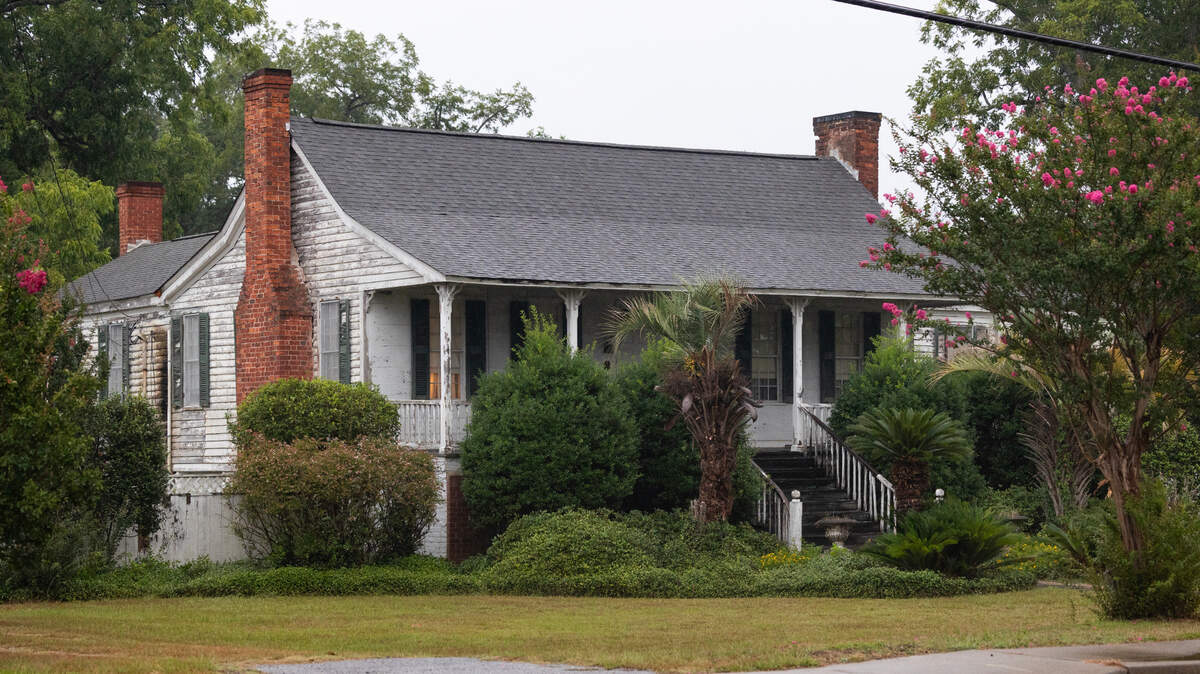
One of the oldest homes in Lexington, built in 1830 by a prominent Lexington attorney and lawmaker, has been sold to a local church known for opening a number of houses of worship across the Midlands.
Radius Church, which has nine church campuses throughout the Midlands, became the first non-family owner of the Boozer-Harmon House when it purchased the centuries-old home and the land it sits on for $1.3 million, county property records show.
The home, which sits at 320 W. Main St., has occupied less than two acres of land in the heart of downtown Lexington since it was constructed. As hotels have popped up around it and suburbanites fighting traffic have zoomed by it, the home has sat as a testament to its time, when Lexington was slower and smaller. Less than 10,000 people lived in the entire county at the time. That number is well over 300,000 now.
Lemuel Boozer built the house circa 1830, according to the National Register of Historic Places website. Boozer was a well-established politician in Lexington — he served as a state senator and a state representative and became South Carolina’s 53rd lieutenant governor in 1868.
Despite owning more than 30 enslaved people prior to the Civil War, Boozer was notable for his staunch opposition to secession. His own son, Baylis Earle Boozer, was shot and killed on Main Street in Lexington. His murder was largely believed to be because of his family’s unionist views, according to J.R. Fennell, the director of the Lexington County Museum. When the Civil War ended, the eldest Boozer opened a school for freed children, which remained in operation until 1929.
Boozer, who Fennell called a “complicated character,” became a judge after his tenure as lieutenant governor and died in Camden. Boozer was married to a girl with the Harmon surname, another prominent Lexington family, and the home has stayed in the family name since he built it in 1830.
The purchase of the property by the church marks a significant shift for the home, which has sat vacant since Rice B. Harmon, Jr. died in August 2014 and left the property to his son, Carter. The younger Harmon declined to comment to The State on the home’s sale.
Radius, which has a church campus and parking lot right next to the home, came to Lexington in 2003 through a group of South Carolina church planters. It open its campus in downtown Lexington in 2010. The church now has nine campuses across the Columbia and Lexington area.
While the home’s designation on the National Register of Historic Places doesn’t automatically prevent it from being demolished, town ordinances could require major changes to the home or demolition to go before either the town’s zoning board or its planning commission.
“Currently, there’s not a specific plan in place for the property. It’s adjacent to our campus so we certainly wanted to expand the property for future expansion,” said Todd Carnes, who serves as one of the pastors for Radius and is also a councilman for the town of Lexington. Carnes said the church plans to maintain the home’s historic character regardless of what Radius does with it.
“In 2010, I remember when we bought the old Ace Hardware building, which is our worship center. We bought it at an auction and it had been empty for two years due to the downturn in the economy so I certainly remember us moving to Main Street and I’m super excited about us expanding our footprint on Main Street because we plan to be there for the long term,” Carnes told The State.
This story was originally published July 28, 2025 at 2:07 PM.