
Brain-eating amoeba death confirmed in SC Midlands, health officials say
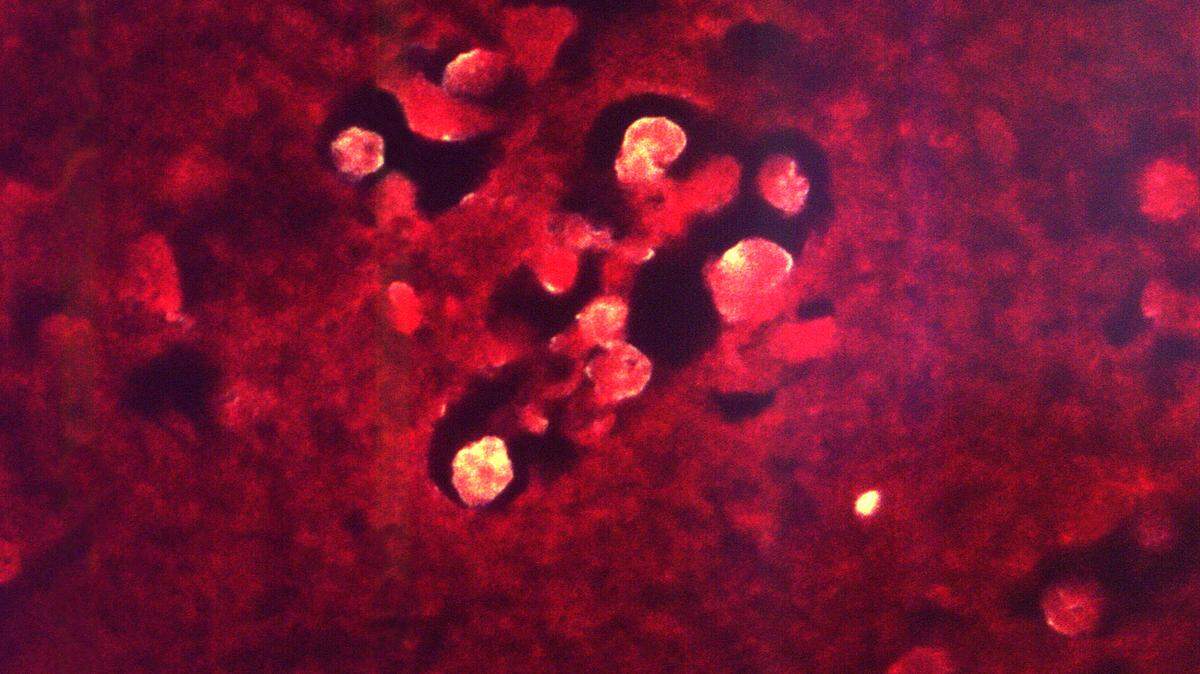
A person in the Midlands has died from a brain-eating amoeba, presumed to have been contracted from Lake Murray, the state Department of Public Health announced Tuesday.
A patient at the Prisma Health Children’s Hospital in the Midlands recently died as a result of the infection, Dr. Anna-Kathryn Burch, a pediatric infectious disease physician at the hospital confirmed. The hospital consulted with the Centers for Disease Control and Prevention when responding to the case, she said.
The Department of Public Health said it became aware of the case the week of July 7 but noted that the Naegleria fowleri amoeba is not required to be reported to the health department. First specifying that the case was within the Midlands region, the department announced that the infection was presumed to have come from Lake Murray later on Tuesday evening.
“This organism occurs naturally and is present in many warm water lakes, rivers and streams, but infection in humans is very rare. In fact, this is the first case of Naegleria fowleri in South Carolina since 2016,” the department said. “There have been only 167 cases reported nationwide in the past 62 years.”
The amoeba is common within warm freshwater bodies like lakes and rivers as well as in soil. However, infections are rare.
Symptoms usually start within a week of infection, and they include headache, fever, nausea, vomiting and a stiff neck, according to South Carolina’s public health website. As the illness develops, confusion, loss of balance, seizures and hallucinations can occur. The infection is fatal in 95% of cases, with death occurring between one and 12 days after infection.
Infections from Naegleria fowleri were only reported three times in South Carolina from 2010 to 2022. Across the entire country, there were 40 cases in that time frame.
To avoid infection, the state public health department advises to avoid water activities when the temperature is high and the water level is low, to hold one’s nose shut when jumping into the water and to avoid digging in or stirring up sediment around warm, fresh water.
Dr. Burch added that the amoeba lives in the sediment at the bottom of bodies of water, and disturbing this sediment suspends the amoeba in the water.
“We recommend that you just leave the bottom of the lakes, rivers, ponds alone and don’t mess with the soil that’s on the bottom,” Burch said.
The amoeba does not spread by drinking water that contains it, but using tap water for nasal irrigation systems like Neti Pots can result in an infection, Burch said. Those who have these systems should use sterile or distilled water, or they could boil tap water and let it cool before use, she added.
Concerned parents should know that the infection is incredibly rare, requiring the right timing and water pressure in the nose for it to take hold, Burch said.
“We shouldn’t be afraid to be in lakes and rivers and those kinds of things,” Burch said. “It’s a big part of what South Carolinians do. I just think you need to be safe when you go into those bodies of water.”
This is a developing story.
This story was originally published July 22, 2025 at 2:57 PM.