
What’s been done to put a stop to stinky sewer overflows along Lake Murray?
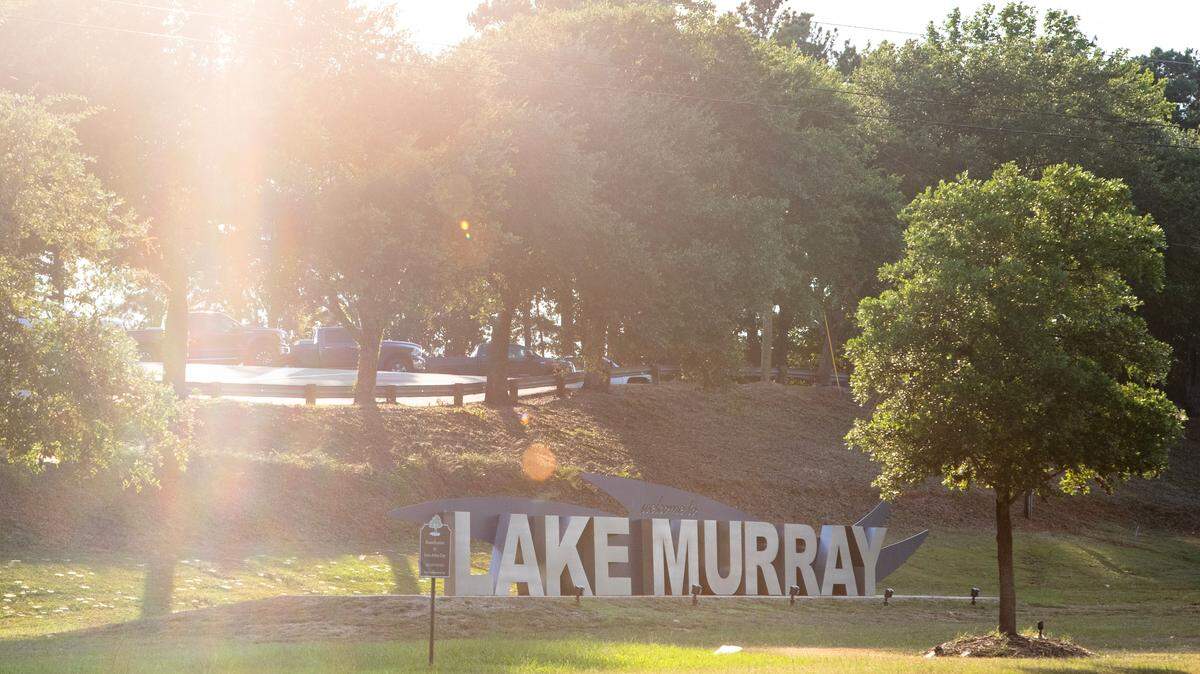
Correspondence between one Midlands town and a state regulator recently acquired by The State shines a light on how officials are responding to persistent issues that have led to sewage running into Lake Murray.
On May 29, the S.C. Department of Environmental Services requested the town of Chapin provide it with an action plan to alleviate the sewer overflow issue after two back-to-back overflows in May. All told, the town system has seen 35 overflows since 2022.
Chapin responded on June 18 by saying the town had been aware of overflow issues since at least 2020, and that an informal corrective action plan “has been in motion for the last 5 years now,” according to a letter from Rick Bryan, Chapin’s utilities director.
What’s being done?
The town has increased its ability to store excess flows by turning an obsolete pond into an “equalization basin” capable of holding material during periods of high activity in the system. Chapin is also working with developers in the area to install larger force mains in their proposed developments. Workers also sealed manholes close to sites that have shown themselves to be susceptible to overflows, Bryan said.
“The biggest delay in all these Capital upgrades/corrective actions has been the funding,” Bryan wrote to DES. “We’ve applied three times to [the Rural Infrastructure Authority, which funds improvements to local water systems] for partial funding of this project and revised the scope all three times based on RIA staff recommendations.”
Permitting delays and the COVID pandemic delayed some planned actions, and the town has moved to increase tap fees and implement impact fees, charged to developers constructing projects in the area, to build its reserves for larger infrastructure needs.
In the meantime, Chapin is reviewing flow records from its pump stations, inspecting manholes and conducting smoke tests — blowing smoke through the pipes to identify leaks and exposures wherever the smoke escapes. The town also prioritizes replacing “high-risk” sewer segments and upgrading its pump stations. It plans to install a new 16-inch force main for the East Chapin area by the end of the year and a new 12-inch main on Primrose Lane by the end of next year.
What the state wants to see
Officials with the state asked the town to better educate residents on the maintenance of private lines and tanks in the area. Previous smoke tests showed most of the system’s exposure to heavy rainfall comes from house pipes that are the responsibility of the homeowner to maintain.
Of the 27 overflows the town recorded since 2022, the most frequently cited is a pump station at Murray Lindler Road and Old Bush River Road, which had 15 reported incidents. The town has blamed an earlier incident where the roadside station was struck by a car for malfunctions at the site for causing the issue.
“There needs to be prioritized efforts to video, smoke test and rehabilitate this area, along with the nearby portions of the collection system,” the response from DES says. “The pump stations in these areas may also need increased frequency of evaluation and engineering assessment.”
Chapin told DES that it had now successfully installed improvements to the problematic pump.
“I am happy to pass on that our Bush River Pump Station is now back in full service with just the fence left to replace,” Bryan told the regulator, noting that it has a backup diesel-powered pump. The town is also looking to replace the corroded control panel on the pump station. “This is being done to increase the reliability of this particular station due to its history and sensitivity.”
Not only have improvements at the pump station handled recent rainfalls without overflowing, a new odor scrubber has also improved air quality around the site.
“We understand we have this compliance issue that we must correct,” he said. “We have not been ignoring it and our records show we have actively been trying to resolve this problem.”
Furthermore, once the new force mains are completed, they will divert the majority of Bush River pump station flow to bypass the station and pump directly to the wastewater treatment plant, town officials said.
“These improvements are the culmination of years of detailed analysis, strategic planning, and coordinated funding efforts,” Mayor Al Koon said in a statement to The State. “Our approach has been deliberate and data-driven, ensuring that every step we take strengthens system performance, enhances reliability, and protects ratepayers from unnecessary cost burdens.”
A pattern of leaks
The department’s records turned up an additional eight overflow incidents in the preceding three years that were missing from the town’s own assessment submitted to DES, totaling 110,000 gallons. By far the largest such incident was a 96,000-gallon overflow on Dec. 17, 2023.
In that incident, heavy rains caused a manhole on Old Bush River Road to overflow and into the lake. Around 16,000 gallons of excess flow had to be trucked to the wastewater treatment plant, a report on the incident says.
The response from wastewater compliance manager Adam Cannon also notes DES had no previous record of an overflow on Oct. 3, 2022, noted in Chapin’s latest report.
Sewer overflows are a long-running issue for water systems around Lake Murray, and residents who wrote in to the environmental agency expressed frustration with officials’ response to the problem.
“This is a serious concern for our health and safety,” one resident wrote to DES about an overflow in May. “There are a lot of homes that draw the lake water for their personal water use and consumption. No one wants contaminated drinking water.”
“I have filed numerous complaints about this ongoing issue and there has been no resolve [sic],” another said. “It seems the environment and the public safety of the lake’s recreational use is of no concern... I know this complaint won’t be taken seriously, because if they were taken seriously something proactive would have already happened to protect the environment of Lake Murray and the residents who use the lake for recreational use.”
.jpg)