
How much more will SC drivers pay for gas before tightening their belts? See this new poll
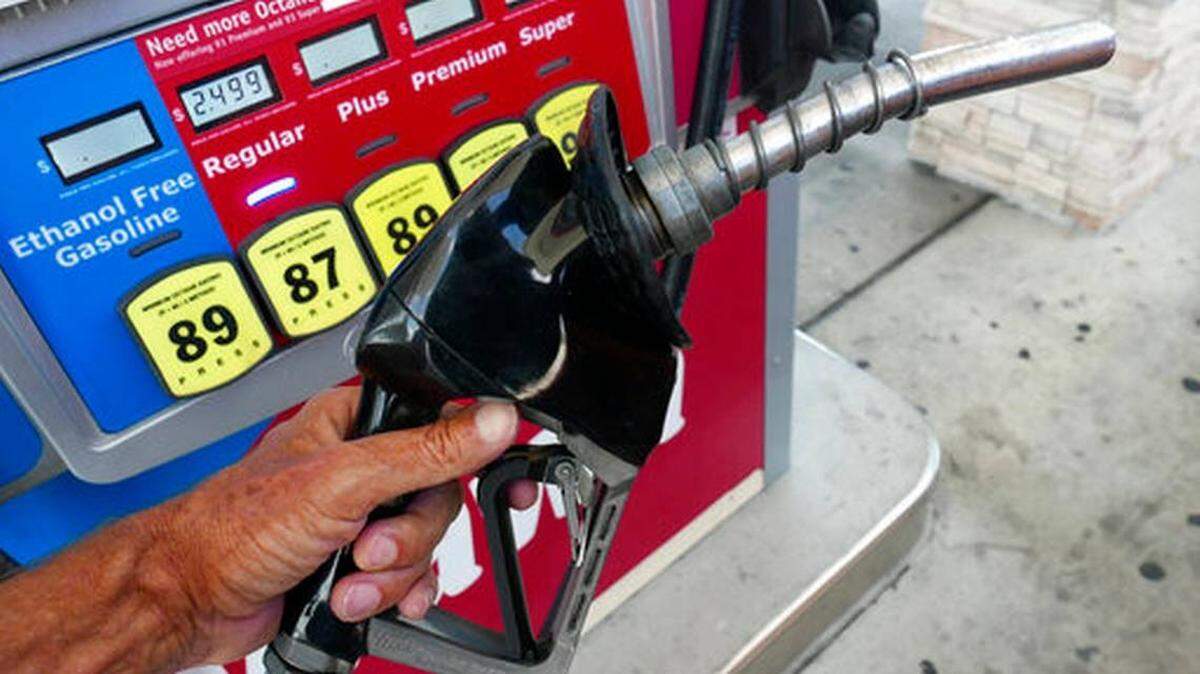
After weeks of rising gas prices in South Carolina, it’s becoming increasingly difficult for some to stretch paychecks enough to afford household essentials.
As of Monda, the average gas price in SC is $3.70, a $1 increase since last year, according to the American Automobile Association.
“Gas prices don’t just hit wallets — they change behavior,” Laura McCutcheon, VP of Marketing at Advance America, a major consumer lender, said in a press release. “What’s striking here is how little headroom many Americans feel they have left. For some, we’re not talking about a distant tipping point. We’re already right on top of it.”
Gas prices have started to drop slightly, but with ongoing uncertainty surrounding the Middle East conflict, it’s not easily predictable when they will go back down to their previous levels.
It’s been years since SC residents have seen the price of gas so high, but according to a recent survey from Advance America, South Carolinians haven’t reached their breaking point just yet.
The survey asked over 3,000 drivers across the country in April at what price point they would begin cutting essential expenses, what would most likely be reduced first and the emotional and behavioral impact of fuel costs on daily life.
Here’s the gas price an average SC resident would pay before making extreme budget changes, according to the poll:
SC tipping point
SC drivers are more resilient to gas price jumps than others, but they say it would still take less than a $1 increase before something needs to change.
The price per gallon that drivers in SC would be able to afford before they need to cut back on their essentials is $4.71.
That’s a $1 increase from Monday’s average gas price.
What would SC drivers cut first?
If prices rose to that level, the first sacrifices would come from lifestyle spending rather than absolute necessities. But the margin is surprisingly thin.
More than 4 in 10 (41%) say they would cut back on eating out or takeout first, followed by travel and leisure (29%).
Notably, 13% say they would reduce grocery spending, while 3% would cut back on healthcare or medications, a sign that rising fuel costs can push households into uncomfortable territory.
Additionally, 6% would reduce the amount they put into savings and investments, and 6% say they would have to stop paying their utility bills.
Everyday changes to gas price jumps
To cope with higher gas prices, most South Carolinians would look for small, practical changes before making drastic moves, according to Advance America.
- 40% say they would drive less
- 19% would combine trips or plan routes more carefully
- 17% would take on extra work or side income
Beyond the financial impact, rising gas prices are also taking a psychological toll on drivers.
- 49% say they feel extremely or very stressed about fuel costs
- Another 33% feel somewhat stressed
That’s more than eight in 10 people experiencing at least some level of financial anxiety tied directly to gas prices.
And the ripple effects extend into daily life:
- 37% say rising gas prices have forced them to rely on credit or borrowing
- 43% have canceled plans with friends or family due to fuel costs