
Heat can strike down the unwary
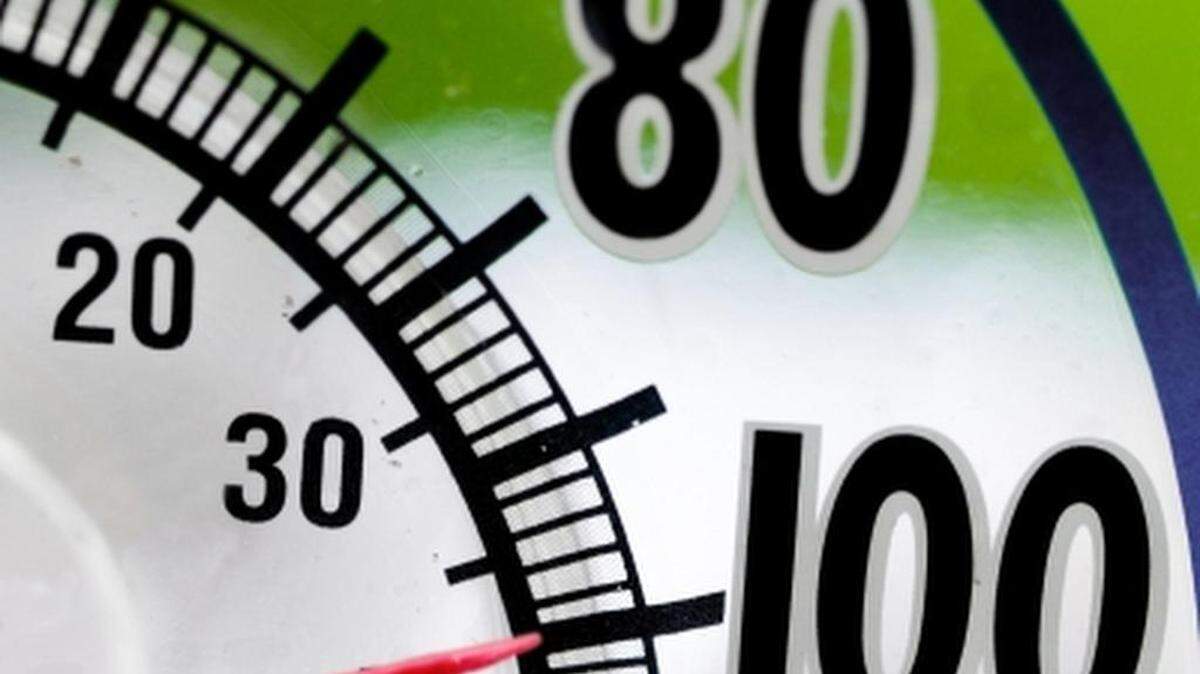
Coward resident Lisa Shaw was enjoying the summer sun with her daughter two years ago. Hours later, she had to be rushed to the hospital.
Heat exhaustion had set in after less than three hours in the 100-plus degree weather.
“When it got too hot we came inside and tried to cool off, but I could not get cooled off,” Shaw said. “I was nauseated, couldn’t catch my breath, felt almost like my whole body was on fire.”
After a few bags of fluid from an area emergency room, Shaw made a full recovery.
According to the Federal Emergency Management Agency, heat disorders occur when people have been overexposed to high temperatures or have overexerted themselves for their age or physical condition. As temperatures and humidity levels rise, evaporation slows and the body is forced to work harder to maintain a normal temperature.
Extreme heat is most likely to affect young children, older adults and those who are overweight. Shaw said her weight may have been a factor in her susceptibility to the heat.
“I believe I suffered more than she (her daughter) did because I am overweight," Shaw said. "I am 5 feet 10 and at the time I weighed about 305 pounds.”
Elderly individuals are also vulnerable when it comes to heat-related health issues. On June 9, Chief Danny Watson of the Darlington Police Department initiated a challenge to other Darlington organizations to collect small box fans for older people.
Watson’s challenge will run through the end of the month. Donated box fans can be taken to either the Darlington Police Department or the Darlington Fire Department at 400 Pearl St.
Watson said something as simple as a small fan can prevent heat-related ailments during the summer.
“As a person advances in age, the ability to regulate their body temperature as well as they did when they were younger degrades significantly,” Watson said. “This is why it is especially important for seniors to have access to fans and air conditioning.”
People living in more urban areas are also at greater risk, due to poor air quality and stagnant atmospheric conditions. Areas covered with concrete and asphalt will stay hot longer and release heat during nighttime hours, which produces higher temperatures throughout the day.
Michael Miller, the S.C. Department of Transportation district safety coordinator, said the asphalt can reach temperatures upwards of 150 degrees when employees are working. The department provides coolers full of water and ventilated clothing to prevent heat-related health problems.
“We tell everybody to please be careful,” Miller said. “If the guys work as a team, trade off and take breaks, it’s not as bad as it could be.”
Miller said department employees are encouraged to drink at least a quart of water per hour and take breaks from the heat every 45 minutes or so.
“I don’t think we’ve had any significant heat-related issues for the past couple of years and that’s primarily because our folks know what the symptoms are,” Miller said. “We make sure everybody knows the differences.”
There are different levels of heat-related illness: heat cramps, heat exhaustion and heat stroke. Heat cramps are often the first sign that the body is struggling with hot temperatures. Heavy exertion in hot conditions can cause muscular pains and spasms.
Heat exhaustion is the next phase. It typically occurs when body fluids are lost through sweating heavily. Blood flow becomes concentrated in the skin, and by doing so, decreases blood flow to vital organs. Symptoms of heat exhaustion include fatigue, rapid pulse, shallow breathing, dizziness and nausea. If not treated, the person’s body temperature will continue to rise and heat stroke may occur.
Heat stroke, or sun stroke, is a life-threatening condition. A person’s temperature control system stops functioning, causing the victim to stop perspiring. A person suffering from heat stroke will have skin that feels hot, but will not be sweaty. Other warning signs include confusion, headaches, trouble breathing, vomiting and loss of consciousness. A heat stroke victim’s body temperature can rise so high that brain damage or death may occur.
“Heat kills by pushing the human body beyond its limits,” according to a media advisory from the Florence Fire Department. “These conditions can be hazardous for people who do not take the proper precautions.”
Dr. Iris D. Ignacio, a family medicine physician with Pee Dee Family Physicians, said that although certain groups of people may be more susceptible to heat-related illness, heat stroke can affect people of any age or fitness level.
“Don’t underestimate the danger,” Ignacio said. “Be extra careful when the heat index is 90 degrees or above and always drink plenty of water or fluids with electrolytes when the heat index is high.”
“Virtually all heat-related illnesses are preventable,” he said.
To prepare for extreme heat, the Florence Fire Department recommends checking air-conditioning ducts for insulation problems and making sure window air-conditioning units are installed properly. To keep the cool air inside the home, weather-strip doors and window sills.
Windows that receive morning or afternoon sun should be covered with drapes or shades. Outdoor awnings or louvers can reduce heat from entering the home by up to 80 percent, according to the Florence Fire Department.
In extreme heat, people are advised to stay inside and limit their sun exposure. If a person must go outside, the Florence Fire Department recommends wearing loose-fitting, light-colored clothing, avoid working during the warmest parts of the day and drinking plenty of water.
For more resources about extreme heat safety, visit ready.gov/heat.
This story was originally published June 10, 2016 at 11:31 PM with the headline "Heat can strike down the unwary."