
Columbia businessman guilty in $1.2 million money laundering scheme involving 7 banks
To carry out a complex and illegal scheme to lure investors, Columbia entrepreneur Wade Caughman wrote millions of dollars worth of checks on numerous Columbia area banks when he knew he didn’t have enough money in his accounts.
The bank accounts were part of what federal authorities now call Caughman’s “Ponzi scheme,” an illegal razzle-dazzle whereby he paid money to investors in a fake auto-sales scheme from funds contributed by new investors.
To keep up the illusion of a thriving investment business, Caughman each month wrote some $5 million worth of checks on accounts he had created at Columbia area banks — First Citizens Bank, Palmetto Citizens Federal Credit Union, Wells Fargo, Congaree State Bank, First Community Bank, Southern First Bank and the National Bank of South Carolina, according to court records.
This went on from 2011 to 2016. The law, in the form of IRS agents, finally caught up with him. Caughman’s phony investment empire came crashing down.
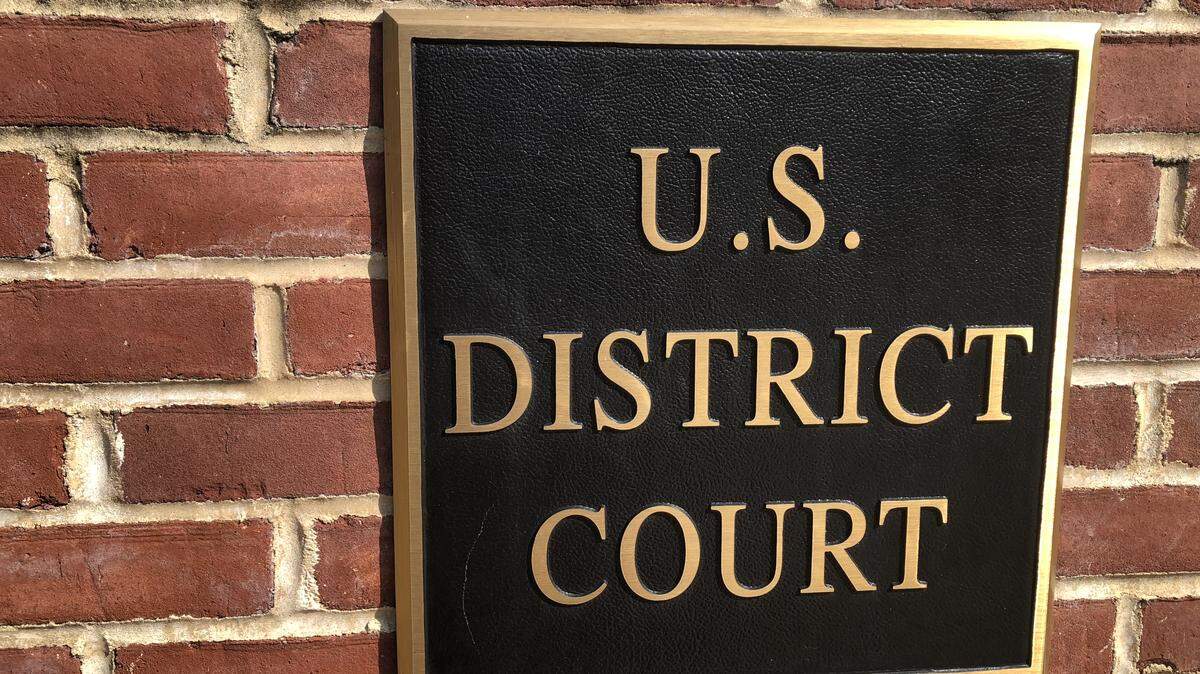
In a little-known hearing this week in federal court in Columbia, Caughman, 51, pleaded guilty before Judge Cameron McGowan Currie to a wide-ranging fraud, which the feds labeled money laundering.
After the hearing, Caughman’s lawyer, Louis Lang of Columbia, issued this statement: “Long before ... (this week’s) guilty plea, Wade Caughman expressed to those harmed by his actions his sincere remorse, and took full responsibility for those actions.”
Lang continued: “Before federal law enforcement became involved, Wade provided his victims with a full, written confession. Since then, Wade has undertaken to provide complete restitution and has made significant progress to date in doing so. Wade continues to work toward the goal of providing full restitution to those he has harmed. Wade wishes again to express his remorse to those he harmed, his family and his community. Wade is grateful for the continued support of his family, friends, co-workers and community in his restitution and rehabilitation efforts.”
According to records, Caughman sought money from investors by telling them “he had lucrative automotive sales leads from local credit unions.” Then he told the investors that if they put up their own money, they would make an easy $800 in interest when the vehicle was sold to the credit union.
Caughman also told investors that the more money they gave him, the bigger profits they would make, the indictment says.
He carried out the scheme by generating “false and fraudulent automobile loan/purchase paperwork including fake buyer names, vehicle identification numbers, insurance binders and emails from the purported credit unions,” the indictment says.
To further confidence in the scheme, Caughman took “funds deposited by investors to make small payments to other investors,” and he “deposited and withdrew” investors’ funds in and out of multiple bank accounts, the indictment says.
Caughman will be sentenced at a Dec. 12 hearing, according to court records. At that hearing, prosecutors may disclose more information about the fraud. Witnesses for and against Caughman likely will speak. Records do not reveal how many people were sucked into the scheme.
In all, the U.S. attorney’s office in Columbia is seeking to recover “a minimum of $1.2 million” — an amount estimated to be what he took from innocent investors, court records say.
The case was investigated by agents from the Internal Revenue Service criminal division. The assistant U.S. attorney on the case is DeWayne Pearson.
Caughman, who grew up in West Columbia and graduated from Airport High School, has been in the news before.
In 2005, The State newspaper wrote a long profile about Caughman’s business ventures, which at that time included buying property along the Congaree River and in the Vista for more than $10 million. During a varied business career, he sold items as varied as videos and Italian Ducati motorcycles. The 2005 story noted he had a way of getting tangled up in financial difficulties but usually bounced back.
Caughman’s motto, the story said, was: “Whatever it takes.”
This story was originally published August 30, 2018 at 11:23 AM.