
SC Chief Justice Beatty orders magistrates to stop issuing ‘no knock’ search warrants
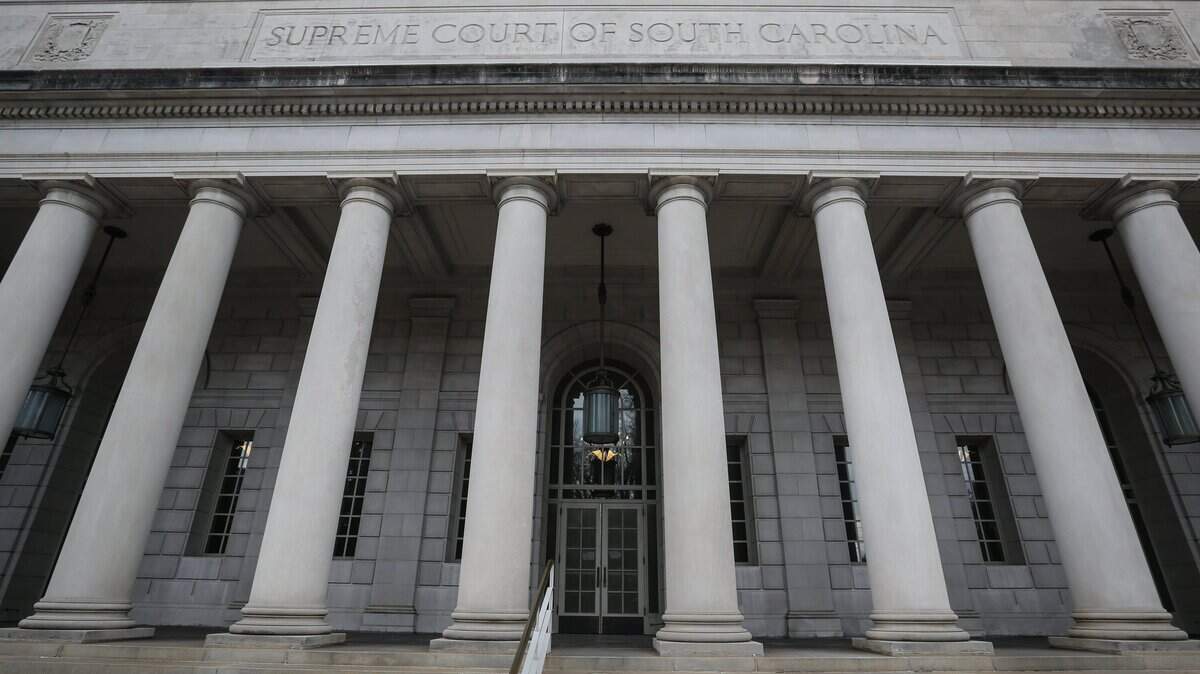
State Supreme Court Chief Justice Donald Beatty late Friday afternoon ordered state judges and magistrates to stop issuing “no-knock” search warrants to police.
With such a judge-approved warrant in hand, a squad of police can show up at a house and, without any warning, use a battering ram to smash in a door if they suspect a potentially violent suspect might destroy evidence or start a gunfight if given even a few seconds’ warning.
However, the needless March killing of an unarmed Kentucky woman, Breonna Taylor, 26, shot to death in her bed by police who used a no-knock warrant, has attracted national attention. She was an emergency room technician and African-American.
Police learned only after shooting her eight times that the information used to enter the house was outdated. They were seeking drugs, but there were no drugs in the house. A man with Taylor who picked up a gun and wounded a police officer, was also shot but he lived.
Beatty’s order said that the majority of state search warrants in South Carolina are issued by magistrates, the lowest rank of judicial authority. But a recent survey, Beatty wrote, revealed that “most (magistrates) do not understand the gravity of no-knock warrants and do not discern the heightened requirements for issuing a no-knock warrant.”
Beatty continued, “It further appears that no-knock search warrants are routinely issued upon request without further inquiry.
“In recognition of the dangers that the execution of no-knock warrants present to law enforcement and members of the public,” Beatty said, he was implementing “a moratorium upon the issuance of no-knock warrants .... to take effect immediately.”
The moratorium will remain in effect until circuit judges and magistrates can be given instruction in knowing what standards to apply to police who seek a no-knock warrant, Beatty wrote.
Under the Fourth Amendment to the U.S. Constitution, officers are supposed to “knock and announce” their presence before entering. However, if officers get a no-knock warrant, they can avoid meeting that requirement.
Richland County Sheriff Leon Lott said Friday evening, “Law enforcement can still be effective and get the job done safely without a no-knock warrant. It’s not a deal breaker for us.”
Lawyers interviewed praised Beatty’s action.
“It’s a smart move,” said Columbia attorney Pete Strom, a former U.S. Attorney for South Carolina. “We are obviously in a new day. What the court has done is ensure that we don’t have a bad situation arise in South Carolina. The whole country is very volatile right now.”
Although Beatty’s order didn’t mention exceptions, Strom said, he was sure that if police had a truly dangerous situation, such as a kidnapping where there’s a danger to a child, police could seek a no-knock warrant from the State Supreme Court.
Magistrates don’t have to be lawyers and the training Beatty proposes will educate them in the standards needed to issue a no-knock warrant, Strom said.
Bill Nettles, another former U.S. attorney who is now a Columbia attorney, said many no-knock warrants now issued in South Carolina are fatally flawed.
“It’s not uncommon for police to get the wrong person, or the wrong house. That’s what happened in Kentucky. As a result of that, someone dies,” Nettles said.
“If every now and then, a little bit of evidence is destroyed, but an innocent person doesn’t get killed, that’s just a trade-off society should be willing to have,” Nettles said.
Joe McCulloch, a Columbia attorney, said, “This order is significant because it came spontaneously and (stemmed from) our Supreme Court‘s recognition that no knock entries are terribly dangerous police tactics — as dangerous to the public as high speed chases.”
Beatty’s order applies only to state police. As a rule, law officers from the FBI and other federal agencies must meet a higher standard of cause before a federal judge and or magistrate judge will grant a no-knock warrant.
This story was originally published July 10, 2020 at 7:07 PM.