SC jail inmates haven’t been allowed showers for more than a week, claim inhumane treatment
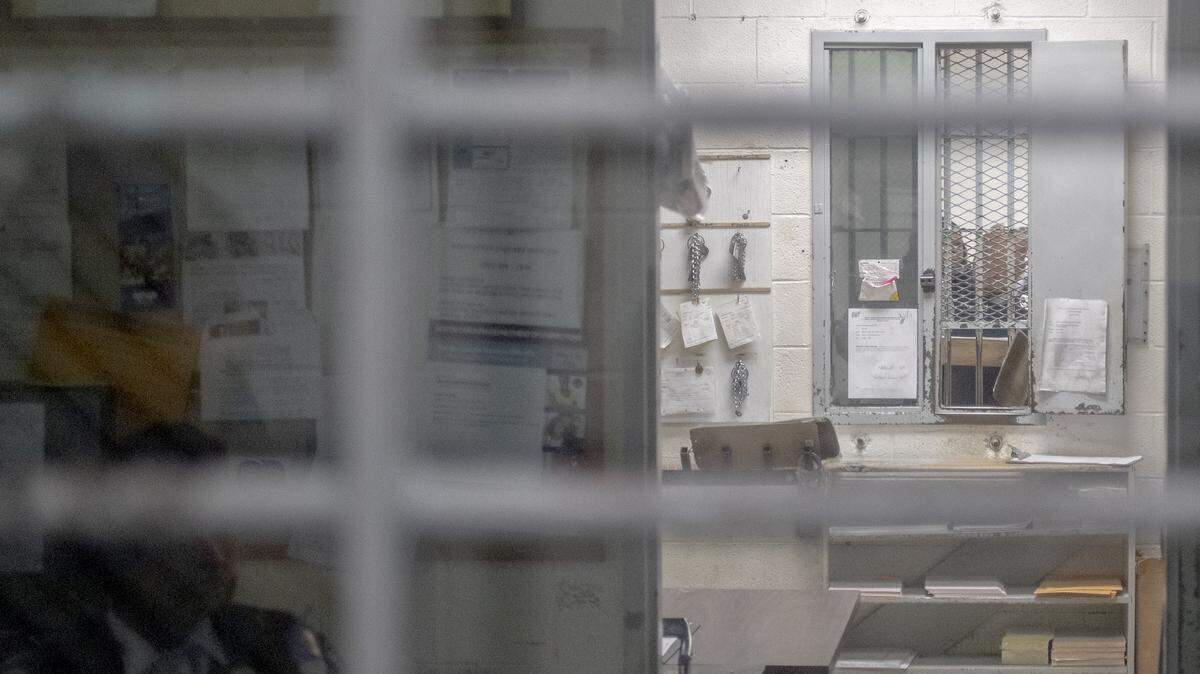
For more than a week, more than 200 inmates at the Orangeburg-Calhoun Regional Detention Center in South Carolina have been stripped of humane treatment due to an apparent lack of jail personnel, according to an inmate at the facility, his fiancee and his lawyer.
Malcolm Matthews, who was incarcerated at the Orangeburg County jail in September, said Tuesday it had been more than eight days since he and approximately 250 other inmates have been deprived of the opportunity to shower and visit with loved ones, spurring further outrage and calls for accountability in a criminal detention system in South Carolina that, for years, has neglected its duties involving the maintenance of basic human and civil rights for those under its care.
“It’s inhumane,” Matthews said. “Even though we’re incarcerated, we shouldn’t have to be subjected to this type of treatment.”
It’s a sentiment the U.S. Department of Justice agrees with, announcing last month the start of civil rights investigations into similar instances at the Alvin S. Glenn and the Sheriff Al Cannon detention centers in Columbia and Charleston, respectively.
“People confined in local jails across our country do not abandon their civil and constitutional rights at the jailhouse door,” Assistant Attorney General Kristen Clarke for the Justice Department’s Civil Rights Division said in announcing investigations into the Alvin S. Glenn and Sheriff Al Cannon detention centers last month. “We are launching these investigations to determine whether the jail conditions in two of South Carolina’s largest counties comply with basic constitutional standards.”
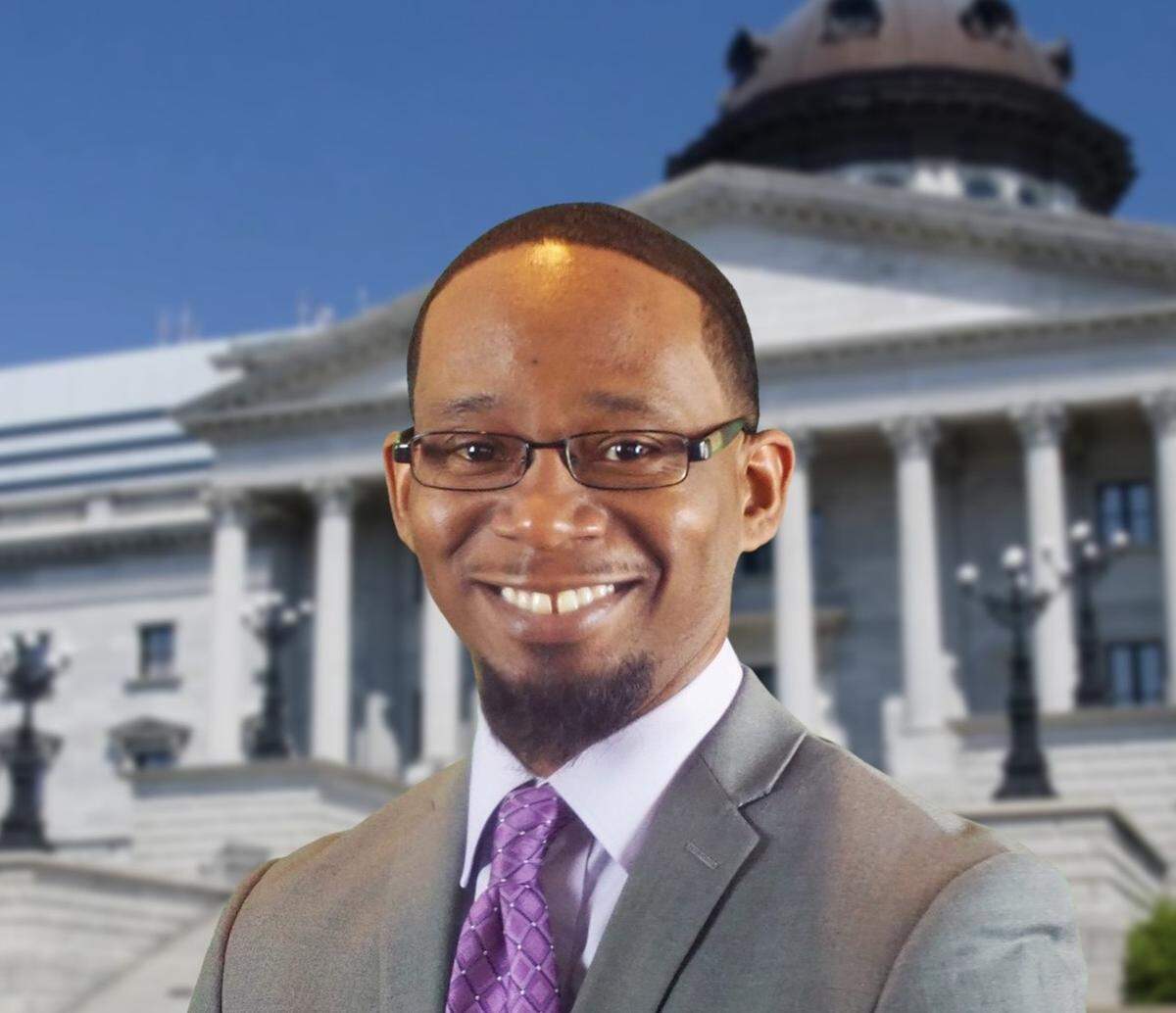
Matthews’ attorney, state Rep. Todd Rutherford, D-Richland, said it’s important for the public to understand that the issues currently being investigated by the justice department — including ongoing neglect and a lack of supervision to ensure a safe detention environment — are much more widespread than appears on the surface.
“The general public looks at these people as being criminals and that they deserve this treatment,” Rutherford said. “And so it is very difficult to even get anybody to listen to their claims of injustice.”
Matthews, who was booked into the Organgeburg County jail back in early September, was denied a request for bond, according to Rutherford. He has not been convicted of the charge against him.
Shautyll Rivers, Matthews’ fiancee, said she, too, after spending a couple of days inside the Orangeburg County jail, regarded the conditions inside as “horrible.”
“I went in there on a Monday morning at 6 a.m.,” Rivers recalled. “My (menstrual) cycle came on that Monday, and they did not bring me a change of clothes until Wednesday, shortly before my release. I was in there literally having to use tissue to try to keep myself from feeling dirty, and even in bringing me a change of clothes on Wednesday, they didn’t permit me a shower. I didn’t shower until I made it home.”
Rivers also said she was restricted from making a phone call upon being booked — a customary practice afforded to newly incarcerated detainees — leaving her family worried as to her whereabouts, as they didn’t hear from her for more than two days.
Generally, under the 14th Amendment to the U.S. Constitution, it’s unlawful for detention centers to withhold an inmate’s right to make a phone call following their booking.
As for Matthews, Rivers said she received three consecutive notifications since this past Saturday from the jail alerting her that her scheduled visitations with Rivers were canceled.
When Matthews and Rivers asked why he was being deprived of showers and visitation rights, they said jail staff cited a lack of jailhouse personnel.
Officials from the Orangeburg-Calhoun Regional Detention Center and from Orangeburg County, which oversees the jail, did not immediately respond to The State’s request for comment.
Referencing other instances of unsanitary conditions, such as a lack of functional plumbing, leaving toilets full of urine and feces, Matthews said that beyond a lack of showers and contact with relatives, mental health patients have routinely been grouped in with the general inmate population, creating menacing situations that he says he’s in fear of.
“We really are in a dangerous situation right now and are trying everything we can to reach out to the public in hopes of changing the conditions we’re being forced to endure,“ Matthews said. “But because we’re locked up, we can’t do anything, and we shouldn’t be subjected to this type of cruel and unusual punishment.”
This story was originally published November 22, 2023 at 5:30 AM.