Federal court dismisses appeal challenging SC policy limiting inmates’ public interviews
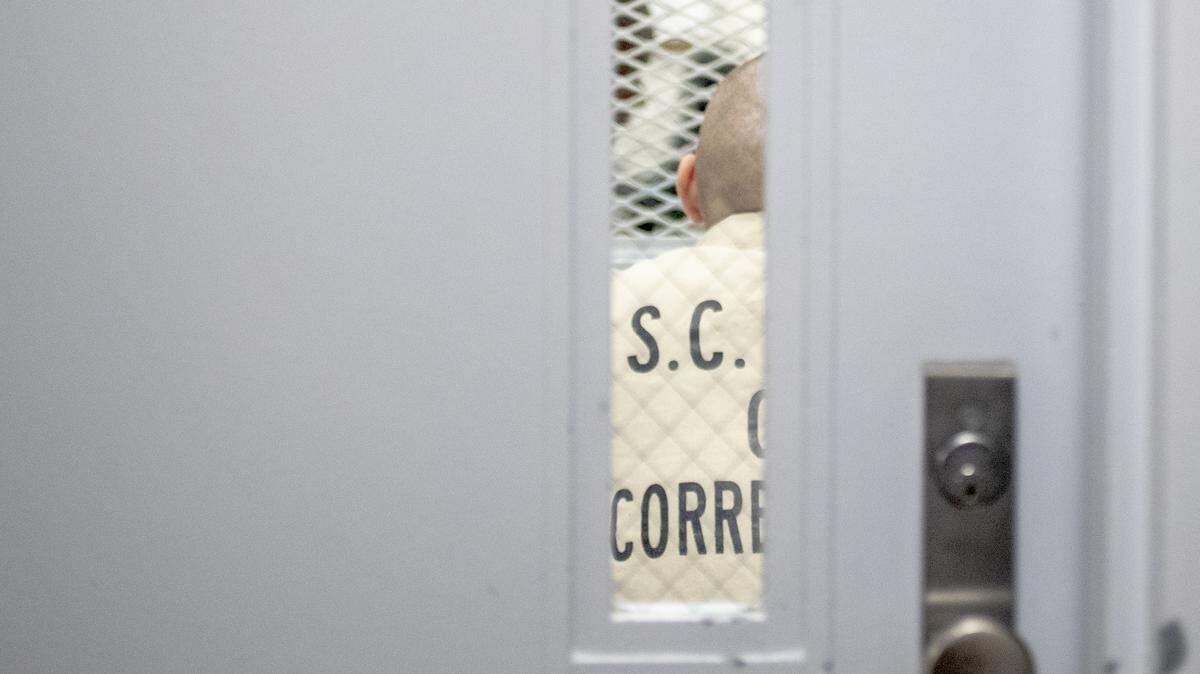
A federal court dismissed an appeal challenging a S.C. Department of Corrections policy that limits access to inmates for public interviews.
The Fourth Circuit U.S. Court of Appeals rejected an effort on Friday by the ACLU of South Carolina that sought to void a SCDC policy that prohibits inmates from having in-person or phone interviews with the media or public. While the department’s policy permits the publication of inmate communications via letters, the ACLU argued that such a policy violates the First Amendment of the U.S. Constitution.
The appeals court disagreed on the basis that the “Constitution does not mandate a right of access to ... sources of information within the government’s control,” namely inmates.
The case stems from a federal lawsuit filed by the ACLU in February, where it challenged the interview policy, which restricts in-person interviews between inmates and anyone else — including attorneys — from being published in the media.
“South Carolina’s prison media-access policy is among the most restrictive of any state in the U.S.,” the ACLU said in a news release after filing the lawsuit in February. ”Unique among prison systems nationwide, SCDC takes the position that incarcerated people ‘lose the privilege of speaking to the news media when they enter SCDC.’ ”
In the suit, the ACLU claimed it had been blocked by the department of corrections from publishing interviews from two clients — Sofia Cano and Marion Bowman Jr. — regarding maltreatment while in the department’s custody.
S.C. Corrections Director Bryan Stirling, who the lawsuit said, “exercises final ultimate authority over the construction and enforcement of all SCDC policies,” was named as the sole defendant.
The ACLU intended to publish an interview with Bowman, who is on death row, “to increase political pressure in favor of clemency, to shed light on the impropriety of capital punishment, and to inform the public about the inhumane treatment endured by people incarcerated at SCDC,” according to the February suit.
The corrections department argued its policy is “rooted in victim’s rights, and a belief that victims should not have to see the person who harmed them or their family members on the evening news,” according to a court opinion.
Ultimately, the case was dismissed in August by U.S. District Court Judge Jacquelyn Austin who found that while the ACLU had sufficient grounds for the suit, the organization failed, she said, to make a valid a claim.
In response, the ACLU filed an expedited appeal to the Fourth Circuit that, in the end, upheld Austin’s ruling.
“The district court correctly dismissed ACLU-SC’s complaint for failure to state a claim because its journalists “have no constitutional right of access to prisons or their inmates beyond that afforded the general public,” the court said.