
A former Midlands school board member seeks to revive a lawsuit over a Facebook group
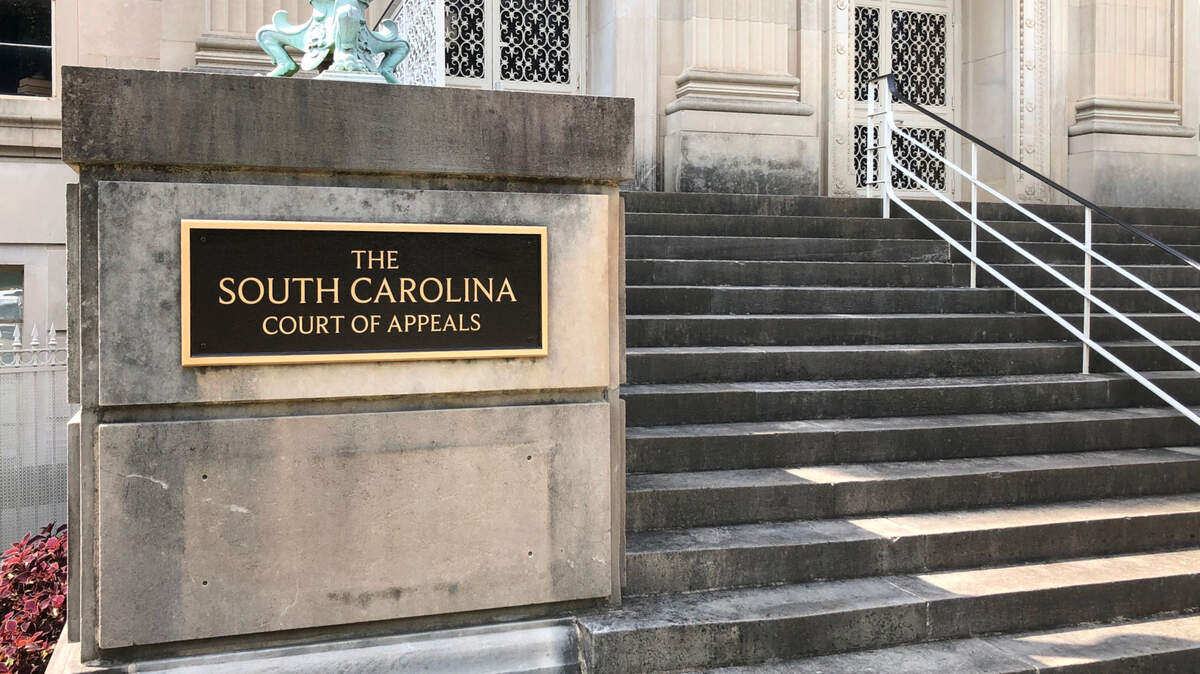
More than two years after a judge dismissed a defamation lawsuit a Midlands school board member brought against a constituent who ran a critical Facebook page, the ex-board member’s attorney asked an appeals court to revive the case and allow it to proceed to trial.
In 2022, Judge Jean Toal dismissed former Lexington-Richland 5 school board member Ken Loveless’ lawsuit against Leslie Stiles, a Lexington-Richland 5 resident who ran the Facebook page Deep Dive Into D5. Toal ruled the suit would not be able to overcome federal law and Supreme Court precedent that protects the operator of a website from being sued for the comments others make on the site. Loveless’ lawsuit ultimately led to the page, which was often critical of the Chapin-Irmo area school board, being shut down by Stiles.
But Loveless attorney Desa Ballard asked the S.C. Court of Appeals on Thursday to reverse that ruling and allow Loveless’ lawsuit to proceed.
In her ruling, Toal said Ballard failed to establish “actual malice” against Loveless in the comments. That’s the high standard set by the U.S. Supreme Court in the case of New York Times v. Sullivan for a public official such as Loveless, an elected school board member, to take action for defamation.
A former chief justice of the S.C. Supreme Court, Toal also ruled that the suit was barred by the Communications Decency Act, a federal law that protects websites from liability for the potentially libelous comments users post there.
But at the S.C. Court of Appeals on Thursday, Loveless attorney Desa Ballard argued Toal’s ruling ignores comments the suit alleges were made by Stiles herself rather than other members of the Facebook group. The suit lists posts Stiles made that accused Loveless of unethical conduct on the school board, among others.
She also argued that Stiles did claim responsibility for the accuracy of the information shared in the Facebook group.
“The site says ‘All information posted is a result of much research and analysis,’” Ballard said, reading from the Deep Dive page’s description. “She has a duty to monitor or to censor it.”
She argued Toal moved too quickly to dismiss the suit at such an early stage, and the suit should be allowed to move forward in the circuit court.
Loveless’ lawsuit quotes several comments made in the group by people other than Stiles, including several comments attributed to Kevin Scully, another constituent who was sued by Loveless for allegedly defamatory remarks about the school board member, including that “Crooked Ken is an unethical hypocrite and a liar,” and “Wow, he is a loser,” according to the lawsuit.
That lawsuit is ongoing even after Loveless narrowly lost his re-election campaign for the school board in 2022, the same year Scully was elected to a seat on the board. Loveless ran an unsuccessful campaign to get back on the school board in 2024.
On Thursday, Stiles attorney Chris Kenney argued that any such criticism of a public official is protected by the Supreme Court’s Sullivan decision.
“Mere errors or the failure to investigate doesn’t reach the standard of actual malice,” Kenney said. “You have to do more than use the words ‘actual malice’ in a lawsuit, you have to show that specific statements are false and knowably false.”
He also agreed with Judge Toal’s decision that federal law prohibits Stiles from being held liable for anyone else’s comments.
“It’s not reasonable to believe ... any of those posts were vetted personally by Ms. Stiles,” he said.
Judge John Geathers brought up one argument that Ballard made that because Loveless was only a part-time member of the school board at the time, he doesn’t count as a public official for the purposes of the actual malice standard.
“I think that has yet to be litigated,” Ballard said.
The judges seemed skeptical of that argument, with Chief Judge Bruce Williams asking, “Who are the full-time school board members?”
“I would be surprised if a school board member was found not to be a public official,” Geathers said. “You’re either a school board member or you’re not. You’re either a public official or you’re not.”
.jpg)