
SC death row inmate asks to halt execution, says defense was as ‘superficial’ as Law & Order
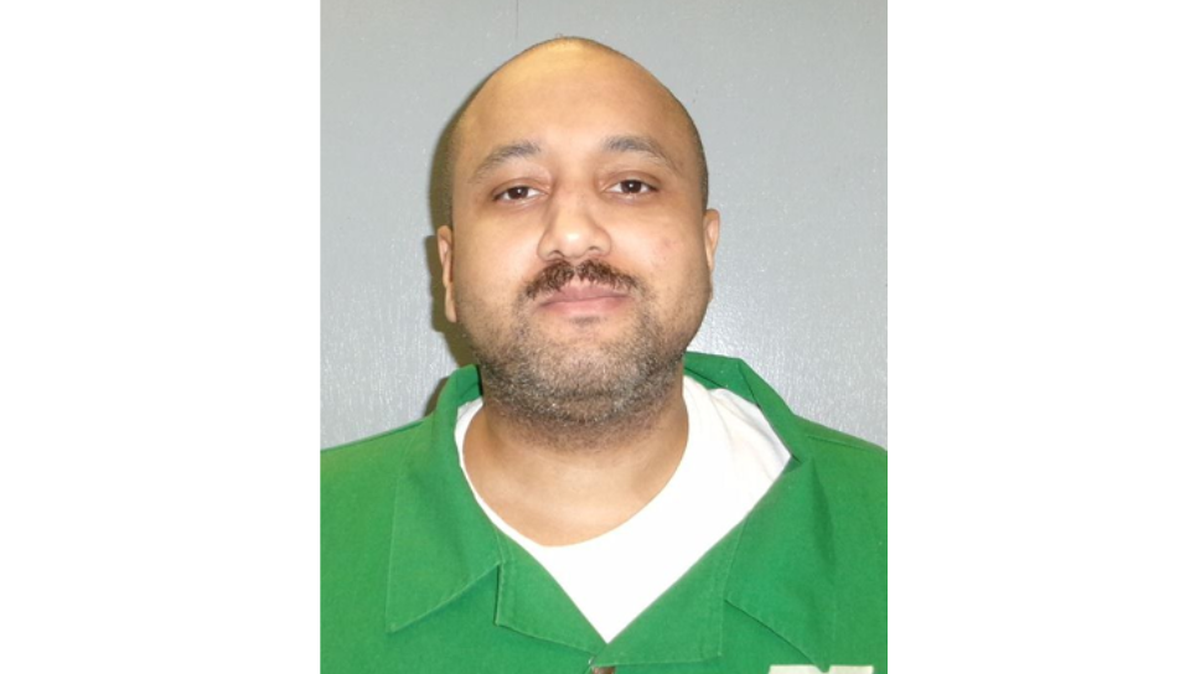
Mikal Mahdi has been described as a cold-blooded killer. In 2006, Mahdi was convicted and sentenced to death in South Carolina for the murder of an off-duty police captain. The ambush-style murder came in the middle of a series of crimes that also saw Mahdi, then 21, kill a North Carolina store clerk over a can of beer.
“This is a man with absolutely no respect for human life,” said S.C. First Circuit Solicitor David Pascoe during the closing arguments of Mahdi’s trial for the killing of James Myers, an Orangeburg Public Saftey officer . To prove his point, Pascoe recounted how Mahdi told the police officer arresting him in Florida that the only reason he didn’t shoot him was the gun was on a three-round burst and “I didn’t think I could get you, the other guy” and the officer’s K-9 partner.
But with his execution looming, Mahdi’s attorneys say that the Virginia-native never had an opportunity for his story to be told. Instead, his trial attorneys put up a “blink and you’ll miss it” defense, according to a petition for a writ of habeas corpus filed Wednesday with the South Carolina Supreme Court.
The defense Mahdi received at his original sentencing trial lasted only 30 minutes. It “didn’t even span the length of a Law & Order episode, and was just as superficial,” according to the filing.
Crucially his current legal team says, it didn’t address his abusive childhood under the grip of his seriously mentally ill father, or his depression and suicidal thoughts, which were worsened by hundreds of hours he spent in solitary confinement while imprisoned throughout much of his adolescence.
When he committed the murders at the age of 21, Mahdi was “reckless,” and “hopeless,” according to his attorneys. “He had little regard for the lives of others at that point in his life, but he also had no regard for his own. Mahdi ... had completely given up on himself,” they wrote.
Mahdi’s childhood trauma meant that he suffered from PTSD, depression and had thoughts of suicide, according to his attorneys. One expert they cited said that Mahdi had eight instances of “adverse childhood experiences,” placing him the top .001 percent for childhood trauma. Each adverse childhood experience increased the risk of violent behavior by 35% to 44%, according to studies cited by Mahdi’s attorneys, which include the federal public defenders for the U.S. Fourth Circuit Court of Appeals.
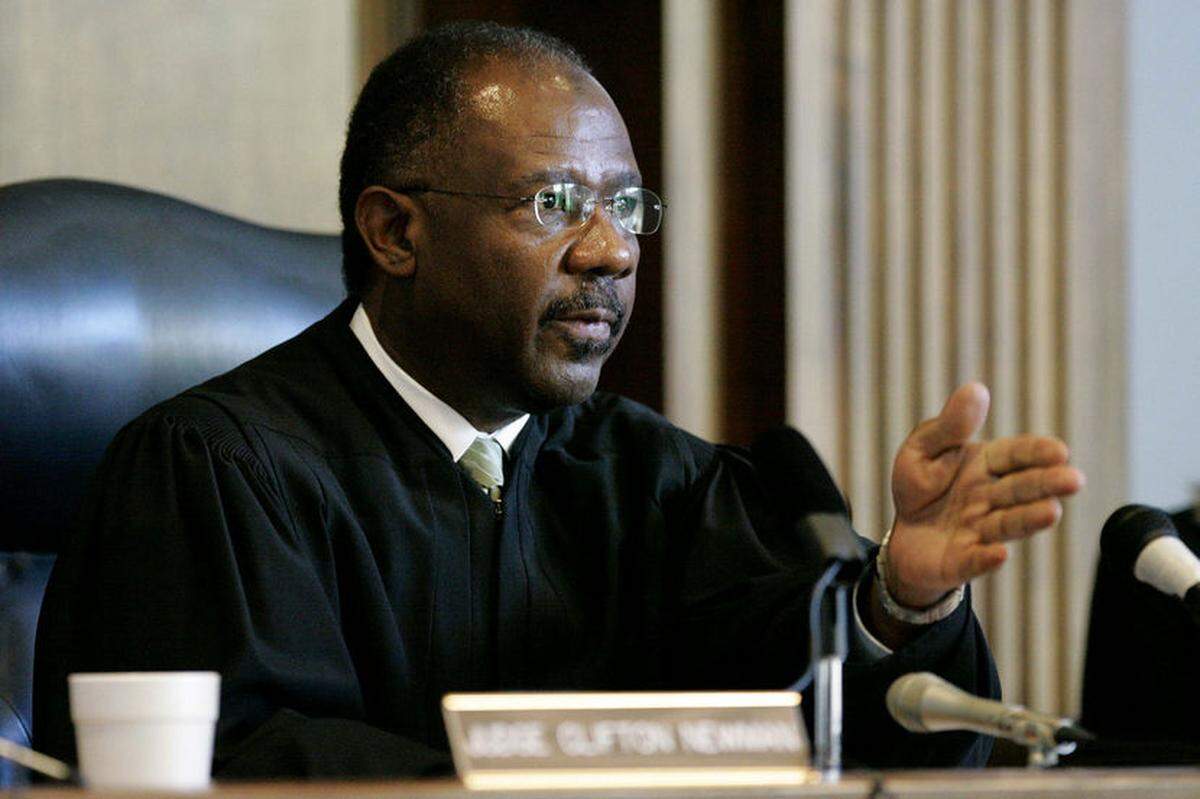
Judge Clifton Newman, who determined Mahdi’s sentence in a bench trial after he pleaded guilty, never heard many of these mitigating facts because Mahdi’s original lawyers put up such a short defense. These facts could have saved Mahdi from being sentenced to death, his current attorneys say.
Mahdi is scheduled to be executed April 11. If the sentence is carried out, he will be the fifth person executed since South Carolina resumed executions in September 2024 following an 11-year-hiatus. The state was forced to stop executions in 2013 when they ran out of the chemicals needed to perform lethal injections.
Last week, the S.C.Supreme Court granted a rare stay of execution to death row inmate Steven Bixby, ordering a hearing to determine if he was competent to stand trial. Bixby shot and killed two law enforcement officers during a standoff in 2003, motivated by what court records characterized as his sovereign citizen beliefs.
Who is Mikal Mahdi?
Mahdi was born in Virginia in 1983. According to the habeas petition, his father, Shareef, was “controlling and abusive” towards his mother, Vera. One of Mahdi’s earliest memories was of his father slamming his mother through a glass table, according to the filing. Vera would later flee Shareef, leaving her children with her husband.
But Shareef, who would later be diagnosed with schizophrenia, “did not have the skills to be a single parent,” according to the filing from Mahdi’s defense team, which references medical and court records as well as interviews with people who knew the family. He could not keep a job and was always moving, including once forcing his family to live in the woods on his mother’s property, according to the court filings.{}
Dr. Donna Schwartz-Watts, a psychiatrist who evaluated Mahdi during his earlier appeals wrote, “the amounts of disruptions that he had in his childhood, I have never seen anything like it . . . . There was just no stability in his early development at all.”
While Mahdi’s school attendance was inconsistent, Myra Harris, Mahdi’s third-grade teacher, described him as initially “withdrawn,” but in time he opened up and revealed himself to be an artistic and creative child, according to her affidavit contained in a legal filing.
From a young age, Mahdi expressed a desire to kill himself. When committed to a psychiatric facility at the age of nine, Mahdi said that his greatest wish was to have his family back together and if he could not have that he would “jump off a bridge, shoot myself, or kill myself with my bow and arrows,” according to the legal filing.
At the age of 11, Shareef took Mahdi out of school to home school him. But Shareef, who had an intense distrust of white people, instead focused on taking Mahdi and his brother on hikes through the woods, teaching them how to fight and defend themselves against the coming “New World Order” and “white folks coming to kill them,” according to the legal filing.
Throughout his teens, Mahdi was repeatedly imprisoned in juvenile facilities. The filing describes one notable case when his father had failed to take him to his court hearing. When sheriff’s deputies arrived to arrest Mahdi, his father initiated a 16-hour-long standoff leading to deputies breaking the door down with a battering ram.
While being arrested at the standoff, the teenage Mahdi reportedly said he would “kill a cop before he died.” Prosecutors at Mahdi’s trial drew attention to this statement. But Mahdi’s current attorneys say they missed the proper context, which was that Shareef initiated the standoff and Mahdi was trying to impress his dad.
From the ages of 14 to 17, Mahdi spent more than two months in solitary confinement, often for days at a time. While incarcerated for assault from 18 to 21, Mahdi spent eight months in solitary confinement at Wallens Ridge State Prison, a notoriously violent and racially charged prison in Virginia, according to the legal filing.
Mahdi committed his crimes shortly after his release from Wallens Ridge. However, his original trial attorneys only provided a “fleeting glimpse” of the abuse that Mahdi suffered throughout his childhood, according to the filing. Having only tried one previous death penalty case, the lawyers were “inexperienced” and did not find witnesses outside of family members to talk about Mahdi’s childhood.
But Mahdi’s current attorneys will have to overcome the fact that this evidence was presented as part of an appeal in 2011. However, they argue that recent discoveries about brain development and the impact of trauma and isolation on the adolescent brain in the past decade have shed new light on Mahdi’s crimes.