
State Election Commission lawyer vows to protect confidential voter information
A lawyer for the State Election Commission pledged Friday that when the agency develops a proposed agreement with the federal government regarding giving the feds private voter information on 3.4 million South Carolina voters, the agency will hold a public hearing and seek citizen comment.
“The Election Commission is not going to share anyone’s data unless and until they have an MOU (Memorandum of Understanding) that protects the security of confidential information,” Elizabeth Crum, an attorney for the commission, told state Judge Daniel Coble.
Crum added, “If we get an MOU with the Department of Justice, it will be discussed in open session by the commission and any vote will taken in open session.”
The Election Commission is operating in good faith and will follow state laws, which protect privacy, Crum told Coble.
Crum spoke during a hearing at the Richland County courthouse in which lawyers for Anne Crook, a Calhoun County educator, are asking Coble for a restraining order to prevent the Election Commission from turning over personally identifiable private information to the Justice Department.
Crook’s lawsuit and her lawyers allege that state privacy laws should prevent the Election Commission giving private information to the federal government, and that there is a question about whether safeguards are in place to prevent the information from being misused, and that Justice has not made clear why it wants the information.
Although the Election Commission collects and makes public some voter information, such as a person’s name, date of birth and address, the Commission also collects personal identification from voters — a voter’s driver’s license number and the last four digits of their Social Security Number. It is giving the driver’s license number and Social Security to the federal government that Crook objects to in her lawsuit.
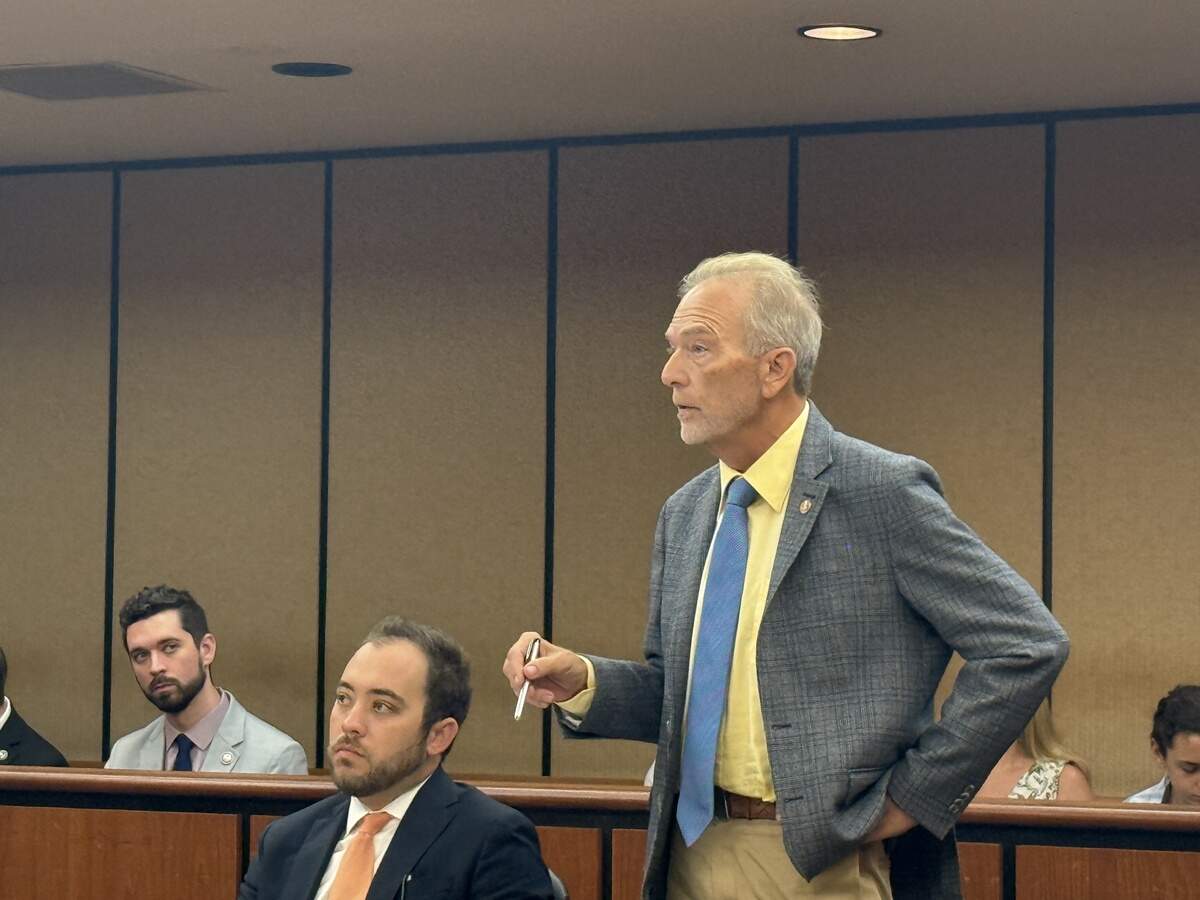
Crum’s pledge to air in a public meeting any proposed private-information sharing with the federal government represented a “.signficant positive step” on the commission’s part, said lawyers Skyler Hutto and his father, State Sen. Brad Hutto, D-Orangeburg. They represent Crook.
“We always suspected they wanted to do the right thing, but it wasn’t a firm commitment. And now they are saying they’ll do it,” said Skyler Hutto.
Brad Hutto said, “No matter what happens, this is a great change for openness. The voters of South Carolina can take some comfort in that the Election Commission has committed to do those things. I think there a lot of people who just don’t want their information shared.”
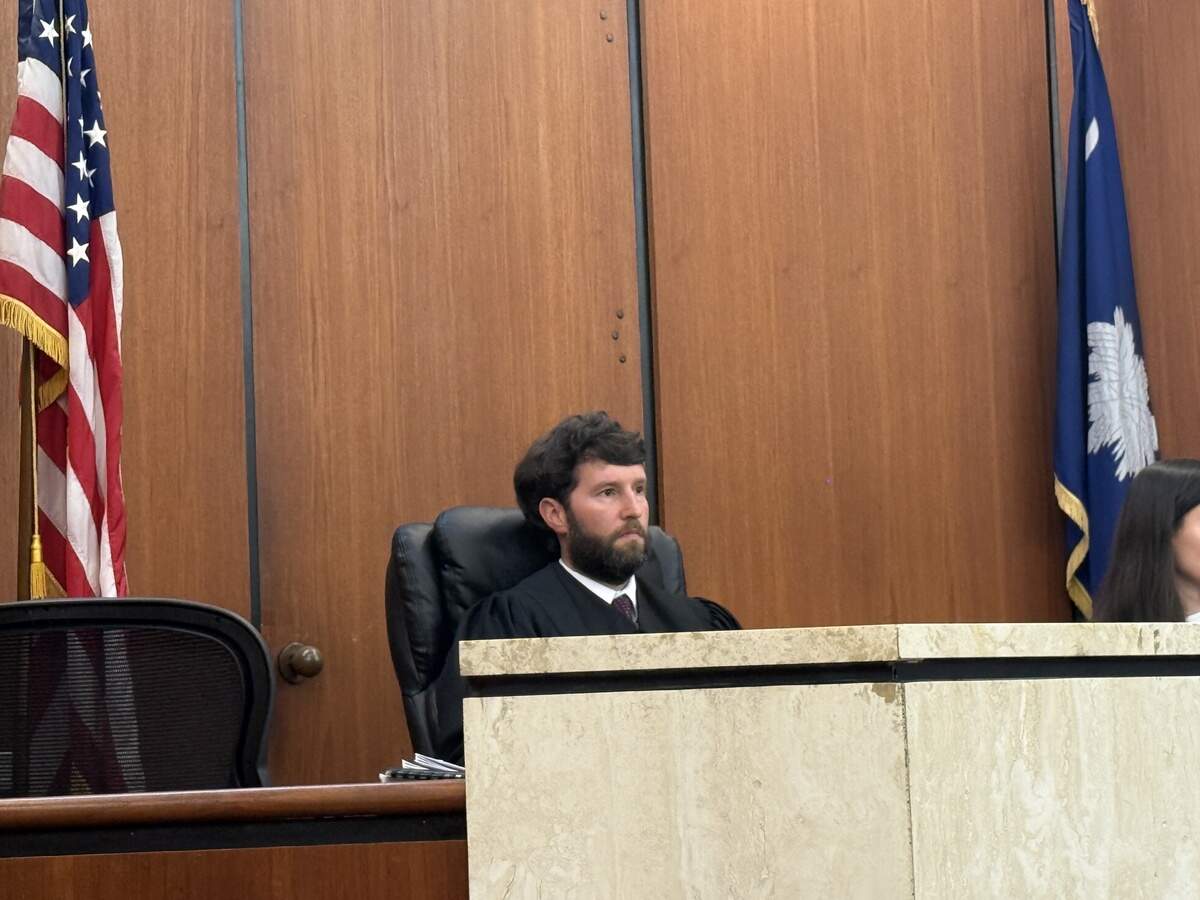
Coble took no action during the hearing, but he indicated he would quickly rule on whether to grant Crook’s request for a restraining order.
“I will try to get something to you soon,” Coble said.
Friday’s hearing took place as news events concerning leaks of private citizen information by federal agencies have been making headlines. In recent days, the National Archives released the Social Security number and other personal information about U.S. Rep. Mikie Sherrill, a New Jersey Republican who is running for governor of that state.
Last summer, the Justice Department requested more than 30 states, including South Carolina, to turn over their voter rolls of tens of millions of voters. Critics say the information could be misused by allies of President Donald Trump. On Thursday, the Justice Department sued six states for failure to turn over their voter rolls.
South Carolina not only has laws protecting privacy, but its state constitution has a provision in it that protects privacy.
In the controversy between Crook and the Election Commission, the Commission contends that “state law alone authorizes it to enter into data sharing agreements, including with Department of Justice,” according to a Friday filing.
The same filing said that “the Election Commission will fulfill its statutory obligations to protect private information and share voter information with the Department of Justice only pursuant to an Memorandum of Understanding containing necessary security safeguards to ensure the proper and confidential use of that data and its transmission.”
In any MOU with the Department of Justice, the Commission will ensure that the MOU outlines “the limited purpose for which the shared voter information will be used and the steps taken to protect the confidentiality of that data upon disclosure,” Friday’s filing by the Commission said.
At the hearing’s end, Brad Hutto told Coble he was heartened by the Election Commission’s commitment to transparency.
People are worried about what the Justice Department will do with that information, Hutto said.
“They are worried DOJ is going to get this and create a national database. They are worried that DOJ is going to get this and give it to Homeland Security,” Hutto.
The Department of Justice has so far failed to promise it will protect voter information, Hutto told Coble. “They will not answer that question.”
This story was originally published September 26, 2025 at 6:03 PM.