Man found not guilty after stabbing his neighbor. Could he be released soon?
A trail of crimson blood stretched across the living room. The 23-year-old fled the house to clean the knife. Neighbors crowded into the house, wrapping wounds and waiting for an ambulance to arrive.
The chaotic scene unfolded on a cold, rainy December in 2023 at the quiet lakefront home in Chapin that Bruce and Joanne Loveless had lived in together for more than four decades. Bruce had built it alongside his dad in his early adulthood.
“This is our little oasis, for 45 years it was,” Bruce Loveless told The State in late January, sitting in the same living room he dragged himself across that December evening two years earlier after his neighbor’s son, Cameron Hinckley, attacked Loveless, stabbing him multiple times with a kitchen knife.
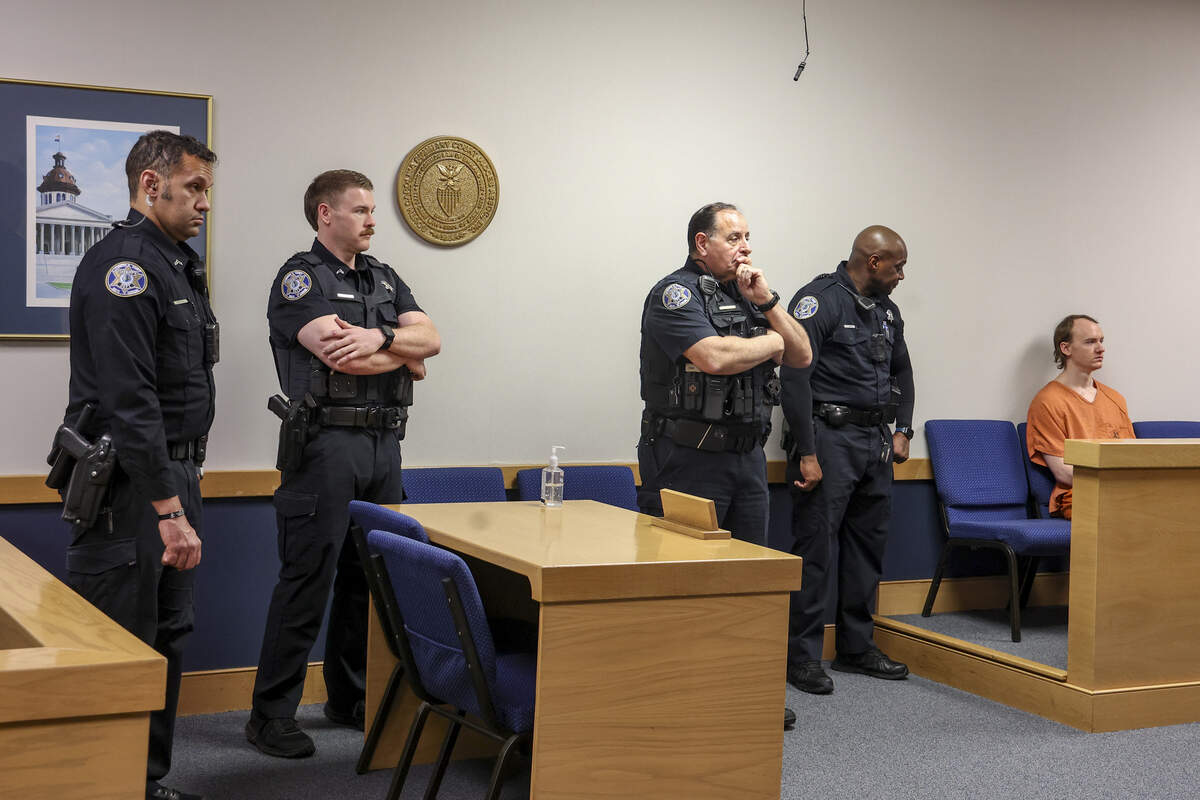
Two years after the attack that nearly left him dead, on Feb. 20, a judge found Hinckley not guilty of the crime by reason of insanity. The Loveless family fears the decision could put Hinckley, who’s been arrested and accused of harassment and stalking multiple times prior to the attack, back into his mother’s custody where he could live right next door again.
Bruce Loveless and his civil attorney, David Black, told The State that the 11th circuit solicitor’s office essentially told the family their hands were tied during an October 2025 meeting. The solicitor’s office did not respond to a request for an interview or comment on the case.
“We were told to have a gun at every door and if Diana or Cameron came on our property, we could shoot them, but, not only shoot them, we were told, ‘for somebody like him, you aim for the head,’” Joanne Loveless told The State.
Despite that fear, some legal experts said a quick release for Hinckley could be unlikely.
“One of the biggest misconceptions about a ‘not guilty by reason of insanity’ finding is that the defendant simply walks free, and I’m here to tell you that is not true. That is not what the law says,” Judge Debra McCaslin said following her verdict Friday afternoon.
The night of the attack
It had been an average Sunday for the Loveless family. Bruce and Joanne went to church together that morning. Christmas was only a week away. That evening, they walked their two dogs.
When they arrived home, Diana Hinckley, the next door neighbor who’d moved into the quiet lakefront community a few years prior, knocked on the door to ask if they’d seen her dog. According to the Lovelesses, it wasn’t uncommon for Hinckley’s dog to join them on their evening walks and that night the dog had.
What started as a seemingly harmless neighborhood encounter quickly turned violent, Joanne said in an interview. After she opened the door for Diana, the neighbor’s son, Cameron, who was with his mother, ran into the home with a knife stowed in his shirt sleeve.
The 23-year-old headed towards Bruce, who was outside trying to get the fire pit going, where he began stabbing the 67-year-old with a kitchen knife.
“I was behind him, trying to pull him and he did the knife back at me and I let go. I kept screaming, ‘Somebody help, somebody help,’” Joanne said.
Moments later, with multiple stab wounds to the abdomen, Bruce had made it to a bathroom across the house and an ambulance was on the way. On the way to the hospital, paramedics worked to keep him alive. Once he arrived, doctors rushed him into emergency surgery. Days before Christmas, he laid in an intensive care unit.
“I saw that we were passing the hospital on I-26. [The paramedic] said ‘That ain’t gonna do you any good, we’ve got to go to the trauma center.’ About that time, the guy says, ‘I don’t have any pulse over here.’ … I died twice in the ambulance,” Bruce said.
He was released from the hospital on Christmas Eve and has had numerous follow-up surgeries and physical therapy following the attack.
Warning signs
The December 2023 attack wasn’t the first time Cameron Hinckley had had a run-in with law enforcement. He’d been arrested in Tarrant County, Texas in March 2022 for trespassing and had a restraining order filed against him in California by a Mormon bishop.
In South Carolina, a complaint was filed against Hinckley with the Lexington County Sheriff’s Department by the owner of a Chapin gym after he allegedly “verbally threatened to break his ribs,” an incident report from 2020 provided to The State showed.
Just two months before the December 2023 attack, Hinckley’s own parents called the police on him after he and his father got into an argument, and he began shooting a gun into the air, an October 2023 incident report showed.
A psychiatrist, Dr. Richard Frierson, who conducted the mental evaluation of Hinckley and whose expert testimony ultimately led a judge to find him not guilty by reason of insanity, wrote in Hinckley’s evaluation that he would’ve been suffering from psychosis likely as a result of schizophrenia at the time of the attack.
The report noted that Hinckley was having paranoid delusions leading up to, and during, the attack and that he would not have been able to deduce right from wrong, a key factor in reaching a not guilty by reason of insanity verdict. Multiple attempts to reach Hinckley’s public defender, David Mauldin, were unsuccessful.
The delusions Hinckley told Frierson about in the evaluation involved receiving what he referred to as “special messages.” Hinckley believed, he told Frierson, that Bruce Loveless had sexually assaulted his mother and that his parents were using hidden signals to communicate with him.
“I thought it was my job to prosecute Mr. Loveless,” Hinckley told Frierson, as noted in the psychiatric evaluation.
Not guilty by reason of insanity
After the stabbing, Cameron Hinckley ran back to his parent’s home next door, according to an incident report from the night of the attack.
As sheriff’s deputies took interviews at the scene and EMS worked to get Bruce into an ambulance, Cameron holed up inside the house for 30 minutes before deputies arrested him without incident. He was charged with attempted murder, first-degree burglary, possession of a weapon during a violent crime and assault and battery.
Hinckley was held in the Lexington County Detention Center where he refused to regularly take prescribed antipsychotic medication for nearly a year after the attack, according to the psychiatric evaluation. More than two years after the attack that nearly left his neighbor dead, he stood before Judge Debra McCaslin.
In her Feb. 20 verdict, McCaslin found Hinckley not guilty by reason of insanity and turned him over to the state’s mental health department where he’s set to stay for at least four months. A court would then have to revisit whether he should remain hospitalized or be released under supervision.
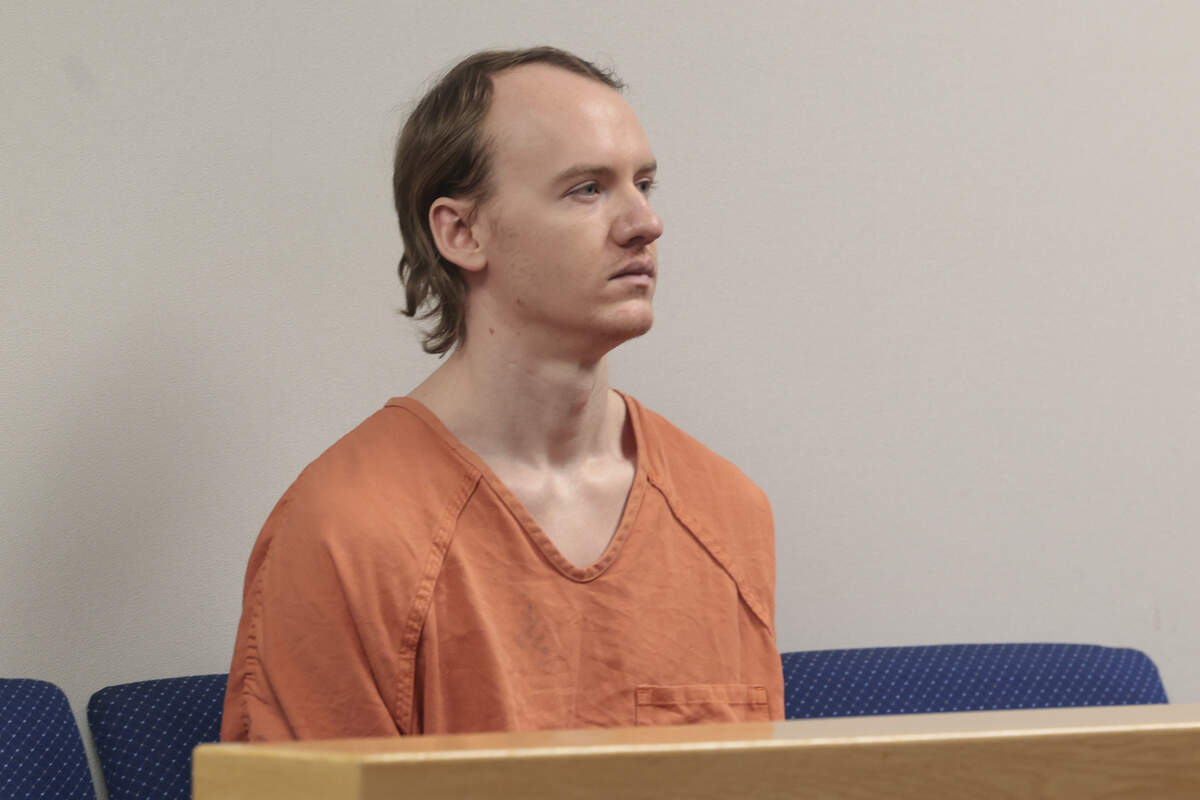
It’s hard to say just how long people who are found not guilty by reason of insanity are typically hospitalized, Tracy LaPointe, a spokesperson for the mental health department, told The State in an email. Factors such as length of maximum sentences and individual responses to treatments vary widely and make it impossible to determine a reliable “average” inpatient stay, LaPointe said.
Under the state statute, an individual acquitted of a crime because of being insane is committed for the duration of the maximum possible sentence they could have otherwise received if they had been found guilty, LaPointe explained.
“In actuality, many defendants don’t want to plead insanity because you actually spend more time in the mental health system than you might in jail,” said Carolyn Reinach Wolf, an attorney focused on mental health law. “You generally don’t go into the mental health system, and then you take your medication, you’re stabilized, and then you get released.”