
5 new things on University of South Carolina’s campus for fall 2018
When University of South Carolina students return from summer jobs or internships, they might find campus to be a bit different than they remember.
Changes include where students live, eat and how much they pay to attend school.
Here are the five biggest changes coming to USC for the fall 2018 semester. Click on these links for more information.
1.) New restaurants at Russell House
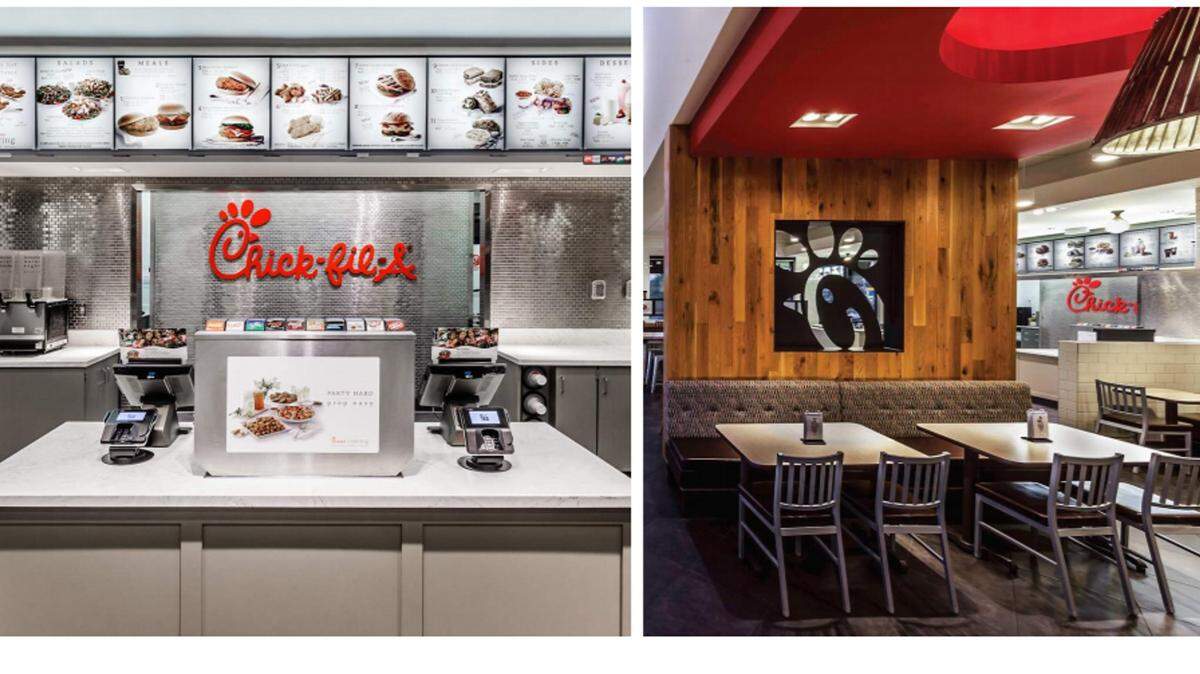
USC’s Russell House student center will have 11 new or updated restaurants on the first and second floors. The $9.5 million renovation adds a Panera Bread, Carolina Creamery, Pei Wei by P.F. Chang’s and more. Longtime Russell House tenants Chick-fil-a, Horseshoe Deli and Southern Kitchen are getting a facelift and updated menus.
Nearly 700 USC students will be living in a newly constructed off-campus housing complex called Empire Columbia. Located a block from the State House, the Assembly Street luxury apartments boast a rooftop pool, a movie theater, a golf simulator room and more.
Despite some delays, the developer, Park7 Group, promises it will be open by the first day of classes.
Between tuition and fee increases, a requirement for all students to have health insurance and more expensive student loans, nearly all USC students will see their cost of college increase.
In tuition alone, in-state undergraduates can expect to pay $354 more per year. That increases to roughly $780 if they’re living in student housing and buying food from a meal plan. Students, who will be required to have health insurance, could end up paying more than $2,000 per year to get the university’s discounted plan. Students taking out federally funded student loans will also be paying a higher interest rate.
Fortunately, it’s not all bad news. ...
4.) Tax credits for students (or parents)
Thanks to the new gas tax law, S.C. residents attending school in-state can receive up to $1,500 in tax credits when they file for taxes next year. The credit goes to whomever is paying the tuition. If a parent is paying 50 percent and the student is paying 50 percent, each will get $750, according to a Department of Revenue fact sheet.
Previously, the credit was limited to $850 for students at a four-year university and up to $350 per year for students at two-year schools.
5.) More professors offering free textbooks
At least 24 professors offer students access to free, online textbooks, sometimes referred to as “Open Educational Resources” or OERs
The number of professors offering free, digital textbooks is likely higher than that. During the last week of the spring 2018 semester, USC’s student government provided grants to four teachers so they can switch to free, online textbooks.
“It’s going to be a pretty big deal for us,” student body President Taylor Wright said in a previous interview. “One of our big tasks is promoting affordability.”
This story was originally published August 14, 2018 at 5:15 PM.