
Former LR5 school board member asks for $6K ethics fine to be reconsidered
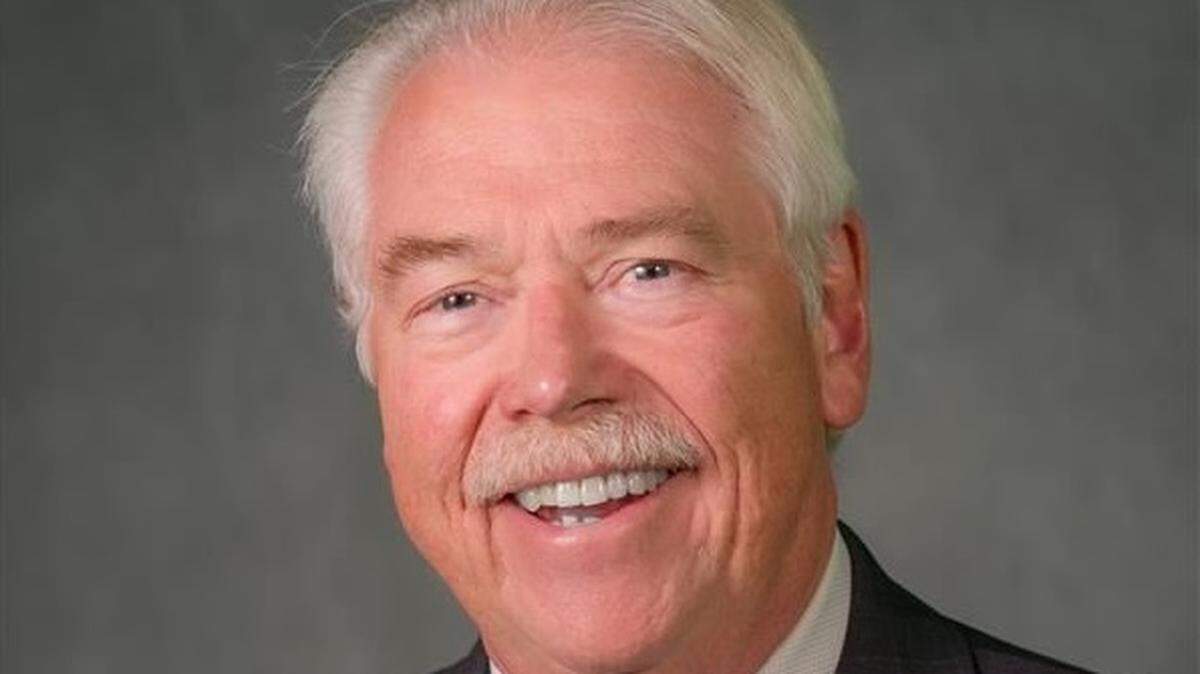
A former Midlands school board member fined more than $6,000 by the S.C. Ethics Commission is appealing the decision, arguing ethics officials misconstrued the law and violated his First Amendment rights.
Former Lexington-Richland 5 school board member Ken Loveless is asking the Ethics Commission to reconsider its findings against him for improper actions he took as a school board member regarding a company with which he had a business relationship.
Loveless was fined by the Ethics Commission in an opinion handed down March 24 that ruled against him in three of four charges that he in 2020 made inquiries about Piney Woods Elementary School, then being built by Contract Construction. Loveless’ company had previously received a contract with the firm to work together on an outside project, creating a conflict of interest, the ethics commission ruled.
In a new filing last week, Loveless argues commissioners erred in 10 separate parts of its finding, mostly reiterating his previous arguments that the specific actions he was charged for fall outside the scope of the S.C. Ethics Act.
“(T)he evidence presented clearly established that (Loveless) did not ‘make, participate in making, or in any way attempt to use his office... to influence a government decision...’ of any kind,” the motion to reconsider says.
Loveless was charged with ethics violations in July, when he was still serving on the Lexington-Richland 5 school board.
He was found to have inquired about Contract Construction’s work on Piney Woods in a letter to the district superintendent on March 24, 2020, after his company had been chosen to work with Contract Construction on a project for the S.C. Law Enforcement Division. Loveless also participated in board discussions of Piney Woods on June 15 and Sept. 14 of that year.
Loveless argues that none of those instances constituted being involved in a “government decision” as prohibited by the Ethics Act.
The Ethics Commission did not fine Loveless for a fourth charge that he had participated in a school board visit to the Piney Woods site in June 2020. Commissioners said that charge had not been proven, although both Loveless and Contract Construction President Greg Hughes told The State in September 2020 that the visit had taken place.
”That was June 18, 2020,” Loveless said in a 2020 interview with The State. “I was walking around the job site. We went for a tour of the building, an organized tour, and I walked around with Greg Hughes.”
Loveless could not be reached for comment before publication, and his attorney declined to comment when contacted by The State.
Other board members criticized Loveless’ involvement at the time, and in February 2021, Loveless recused himself from further engagement with the project. After he asked for a formal opinion, the Ethics Commission said Loveless must step back from any discussion or oversight of the $23 million Piney Woods construction project. But that opinion only applied to the legal boundaries of the recusal Loveless had already made.
A two-year legal fight ensued when a constituent then made a complaint about Loveless’ past conduct with Contract Construction and Piney Woods.
Loveless’ appeal also questioned whether the Ethics Commission is able to fine him now that he is no longer a member of the school board. Loveless lost his re-election bid in November by just 16 votes.
“Had the Commission expedited the hearing as (Loveless) had requested earlier, he would have remained a public official at the time of the hearing on this matter,” the filing says.
He also contends the commission’s actions violate his “First Amendment rights to speak on issues of public concern” as an elected school board member. “The logic that a professional with expertise in a field must leave his expertise behind when carrying out his duties as a public official is perverting the entire purposes of the State Ethics Act,” the motion says.
.jpg)