Some USC fraternity, sorority mansions may be rebuilt. Here’s why
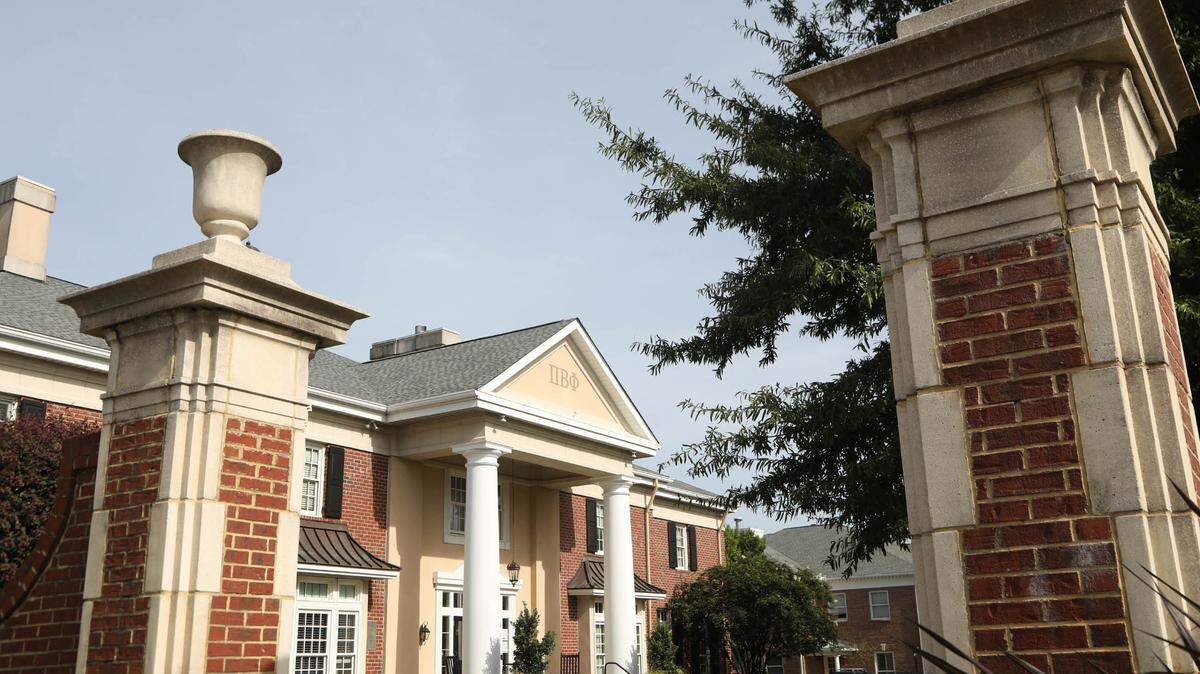
Growth at the University of South Carolina could lead to the demolition of some Greek Village houses on the school’s campus.
In favor of new ones, of course.
The Greek Village, a charming neighborhood of elaborate mansions off Blossom Street, is home to 20 fraternities and sororities. About 700 students are able to live there. While some Greek life chapters have as many as 200 or 300 members, many of the houses can only accommodate about 40 beds, USC architect Derek Gruner said at a design review committee meeting, which advises the USC board of trustees, on Tuesday. Usually even less.
All but two houses in the Greek Village — Chi Psi and Alpha Chi Omega — are two stories, due to Greek Village design guidelines and regulations set forth by USC in 2000. So when the Delta Zeta sorority asked the university about tearing down their house to build a new one with three stories, Gruner wanted to bring it to the board to open the discussion.
“I am in support of this idea,” Gruner said. “I have felt like Greek Village is a victim of its own success.”
Bigger fraternity and sorority houses would allow for more students to live in the village, and might take some of the pressure off of USC’s growing need for student housing. In the fall of 2023, 35,590 students attended USC, more than 4,300 more than the 31,288 students in 2013.
As undergraduate enrollment increases, the university’s on-campus accommodations are stretched thin. At a USC board retreat in January, Gruner identified the need for more housing, and a bigger Greek Village as part of the solution.
While there are no immediate plans for construction, university officials said on Tuesday that if it happens, other fraternities and sororities will likely follow suit.
A more robust Greek Village has long been a part of USC’s master plan, which noted an uptick in Greek life.
Last year, the university was aiming to buy three acres of property at the south end of campus, sandwiched between the village and the Strom Thurmond Wellness and Fitness Center. The parcels were owned by Norfolk Southern Railway at the time, and were already leased to USC for recreational fields or for parking. At the time, the owners and the university had yet to agree on the price of the properties. According to Richland County records, they are still owned by the railroad.
However, USC’s campus master plan had designated the area for future Greek Village development, and it would be an “optimal location” if the Greek Village were to expand, documents show. The plan proposed three mansion-style houses and three to four townhouse-style residences on the property.
Greek Village’s 20 housing facilities accommodate less than half of USC’s 47 Greek life organizations. While these houses sit on university property, the buildings are owned and managed by USC’s fraternities and sororities.
This story was originally published August 1, 2024 at 10:57 AM.