Nuclear safety regulators take heat for downplaying threat from atomic fuel plant
Federal nuclear safety regulators drew criticism Thursday night for concluding that an aging atomic fuel plant could operate another 40 years without having much impact on the environment of eastern Richland County.
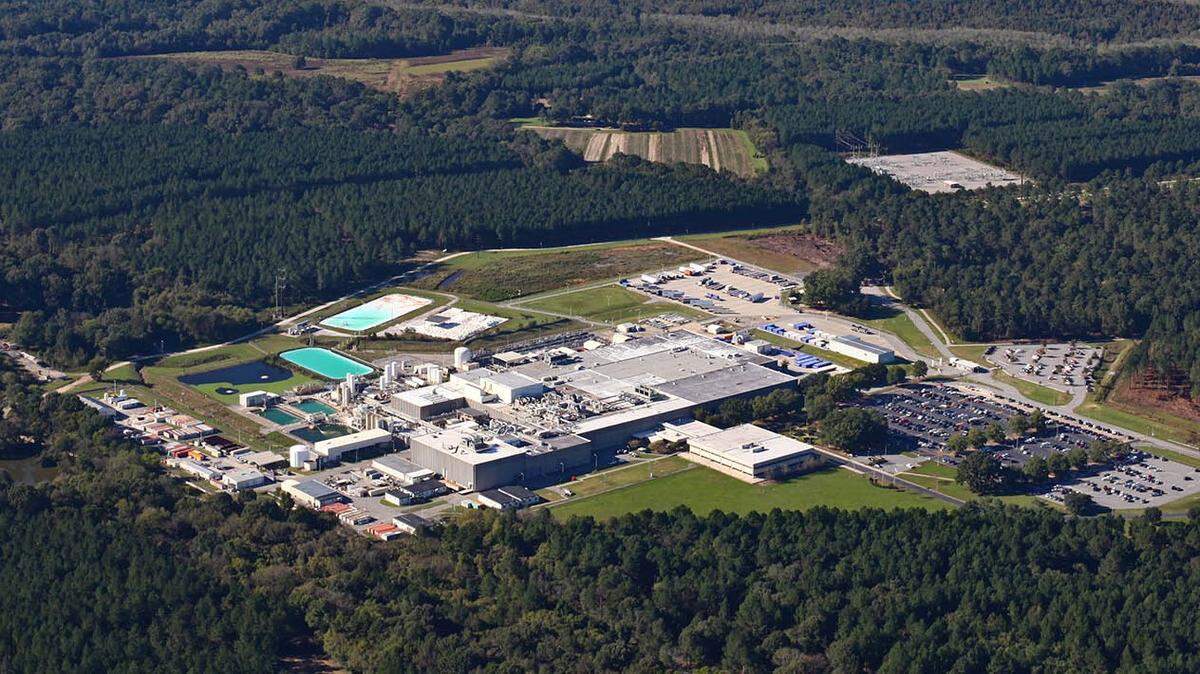
The 50-year-old Westinghouse nuclear fuel factory, located between Interstate 77 and Congaree National Park, has had a recent history of missteps, including spills and leaks that have focused attention on the facility and it’s safety culture.
But as its troubles have surfaced, the company has sought federal permission for a new operating permit.
A recent Nuclear Regulatory Commission report said the facility will continue to have leaks if its permit is renewed, yet those problems won’t have much affect on the surrounding landscape. The study said the plant was safe enough to operate if it receives a new 40 year license because pollution will be monitored and cleaned up before it leaves the property.
Those speaking at a public hearing Thursday -- mostly environmentalists -- said they can’t understand why the NRC thinks a plant with a multitude of problems will operate safely for the next four decades.
They called on the agency to conduct a more detailed study known as an environmental impact statement. If the NRC does approve a new license, it should be for less than 40 years, those speaking at the meeting said.
“There have been releases to the environment, there are ongoing impacts to the environment and there are likely to be future impacts to the environment,’’ Congaree Riverkeeper Bill Stangler said, adding that the NRC has plenty of time to study the matter because the current license doesn’t expire until 2027.
“Why not be more thorough and take the time and effort to get this right?’’
Columbia area resident Kyle Lacio urged the NRC to step carefully because the public depends on the agency. Some people have questioned whether the plant’s discharges will eventually pollute private wells, even though the NRC and state regulators don’t think that will happen.
“I’m up here hoping that the regulators will protect us and do a good job,’’ Lacio said. “Forty years seems like a very long time -- a shorter time definitely makes sense.’’
Thursday’s meeting drew about 60 people, but more than half were estimated to be with the Nuclear Regulatory Commission, the Department of Health and Environmental Control and Westinghouse.
The NRC’s environmental assessment, which was the subject of the meeting, will help the agency decide whether to issue the 40-year license so the plant can continue operating. A twin report that focuses on safety inside the plant is still under way. It also will be considered by the NRC in making a licensing decision, likely in April.
The Westinghouse plant, which opened in 1969, makes fuel rods for many of the nation’s nuclear power plants. It is one of only three fuel factories of its kind in the United States. The company is a major employer, with more than 1,000 workers, many of them highly skilled.
Despite its’ economic impact on the Columbia area, Westinghouse has failed to prevent extensive groundwater contamination since opening 50 years ago. Toxins such as nitrate, uranium and Technetium 99 have fouled groundwater, some of which is moving toward the Congaree River.
Westinghouse officials say they are making progress in improving how they run the plant and will work to limit environmental impacts in the future. Among the efforts are a sophisticated computer model that will help determine where tainted groundwater is flowing and what the best solutions are to deal with it.
“We use that information to then inform our decision making’’ around cleanup strategies, Westinghouse manager Mike Annacone said after the meeting. “It’s a much more rigorous tool, to be more proactive. Much more sophisticated.’’
NRC officials said at the meeting they will weigh the public’s comments before deciding on the license.
The agency’s environmental report said that while “there could be noticeable impacts to the soil, surface water and groundwater,’’ they will be controlled adequately.
“That is our mission: protect the public health and safety .... and the environment,’’ said Chris Regan, an NRC deputy fuel division manager from the agency’s headquarters in Maryland. “It’s why we come to work everyday.’’
Still, not everyone was satisfied that the NRC has done its job or comfortable with the agency’s assurances.
Tom Clements, a nuclear safety watchdog from Columbia, said the NRC didn’t study the Westinghouse plant thoroughly enough to justify a new license. The agency’s environmental assessment left out key information and downplayed the threat of expected spills and leaks in the future, he said.
One issue is the source of Technetium 99, a radioactive pollutant discovered in groundwater, he said. The NRC doesn’t have a clear picture of where the nuclear material is coming from.
Clements said Westinghouse should have to operate for one year without major incidents before a license should be granted. The license should be for 10 years, instead of 40, if it needs approval, he said.
The Westinghouse plant has had groundwater contamination dating to the 1980s, and through the years, the plant has been cited by the NRC over nuclear safety mistakes. But issues since 2016 have refocused attention on the facility, which is nestled in a wooded, rural area along the Congaree River of eastern Richland County.
In 2016, the NRC cited the company for allowing nuclear material to build up in an air pollution control device. Investigators said three times the amount of uranium was found in an air scrubber than is legally allowed. That sparked concerns that small burst of radiation could have occurred.
In 2017, a worker was exposed to a toxic solution dangerous enough to cause chemical burns, although he escaped serious injury.
Then in 2018, the company revealed that uranium had leaked through a hole in the plant’s floor, contaminating soil below the plant. The NRC then learned that the company had had other leaks in 2008 and 2011 that it had never told federal or state officials about. Those leaks led to groundwater contamination.
This year, a fire broke out in a trash bin filled with slightly radioactive material, water seeped through a rusty shipping container and leaked radioactive material into the ground, and three workers went to the hospital as a precaution after working on hydrofluoric acid equipment.
This story was originally published November 15, 2019 at 6:01 AM.