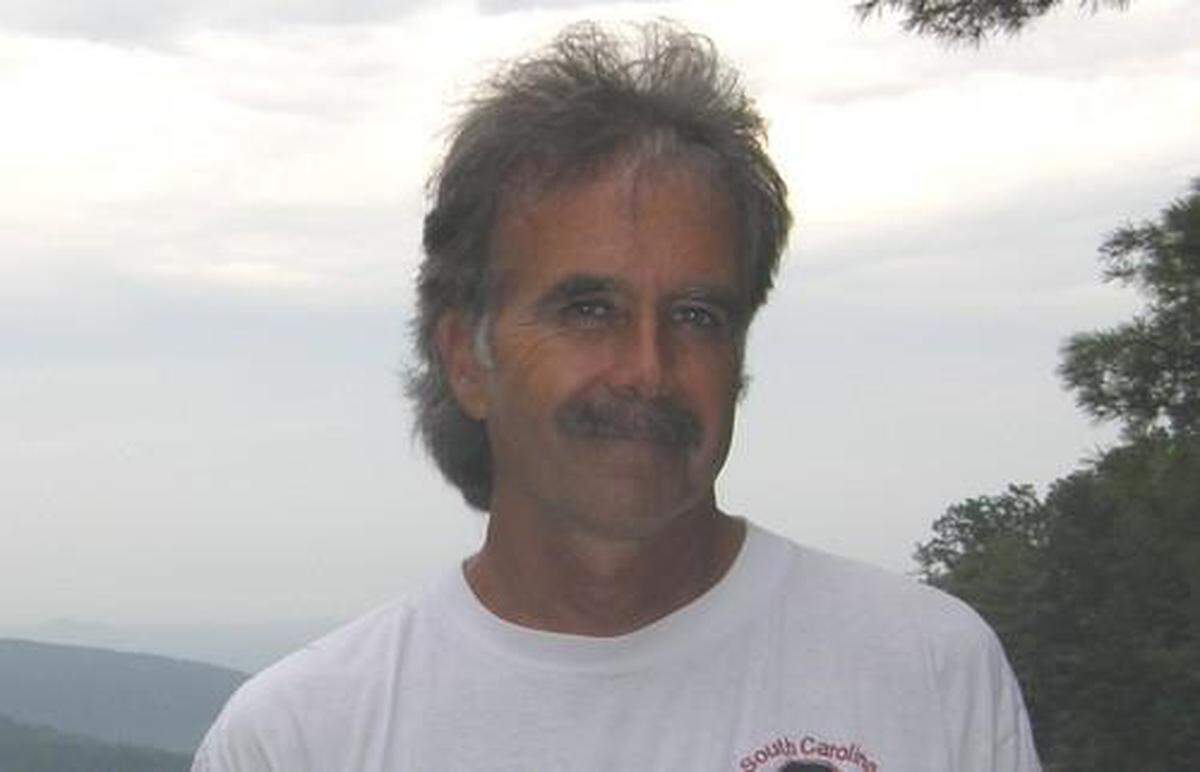
AG to investigate PSC commissioner’s contact with green group
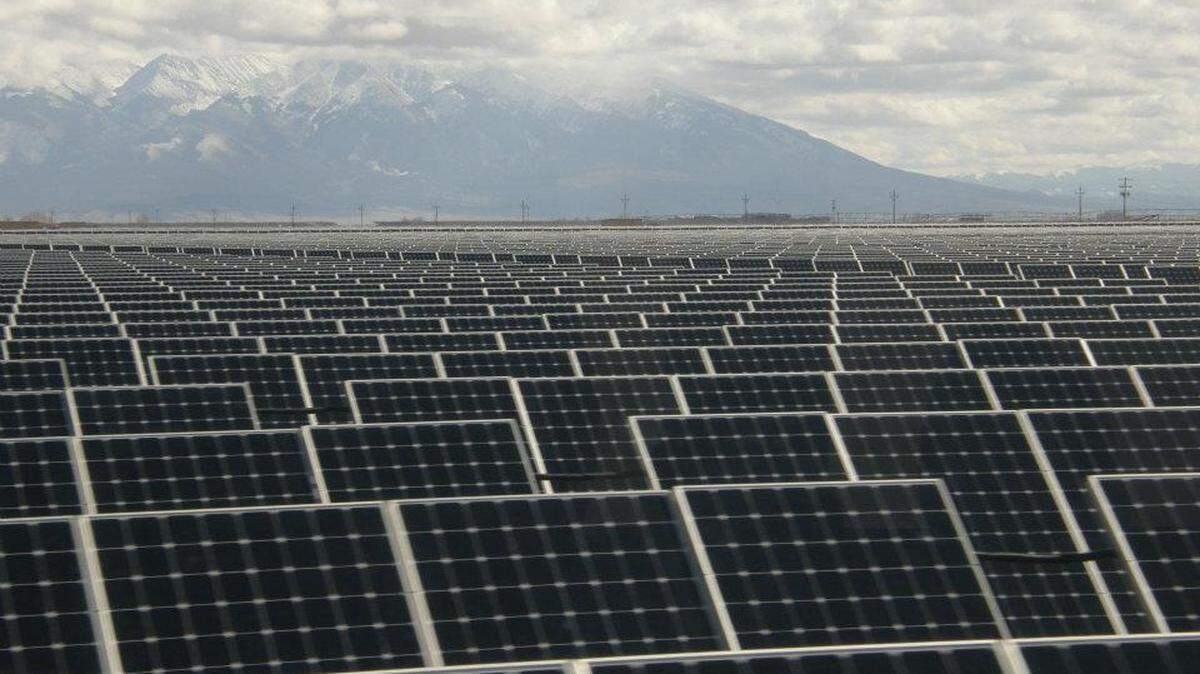
Attorney General Alan Wilson will investigate a state Public Service Commissioner who is under fire for corresponding privately with environmentalists about a solar energy case that is pending before the board.
The state Public Utilities Review Committee voted unanimously Friday to ask Wilson’s office to investigate after learning that Commissioner Tom Ervin had written an email Dec. 13 to the Conservation Voters of South Carolina.
Wilson’s office will have the State Law Enforcement Division look into the matter and report back to the attorney general, Wilson spokesman Robert Kittle said shortly after the utilities committee’s Friday afternoon vote.
One state senator said the committee is making a big deal over a small issue, and it appears someone is trying to smear Ervin’s reputation.
By law, Public Service Commissioners are not allowed to talk with people involved in a pending case outside of hearings unless all sides are represented. The Public Service Commission is a quasi-judicial panel that decides rate cases involving utilities.
Ervin, a former circuit judge, wrote Conservation Voters deputy director Rebecca Haynes to explain the commission’s decision on a dispute between utilities and solar energy backers, including conservationists. The case is not complete because solar developers, who didn’t like the ruling, have asked the PSC to reconsider its decision. A final decision is expected next month.
Last month’s ruling established how much utilities Duke Energy and Dominion Energy must pay solar farm developers for power they sell to the utilities. It also established the length of contracts between utilities and solar companies. The PSC’s ruling was criticized by the Conservation Voters and others as unfavorable to the solar industry.
Ervin voted in favor of the rates and contract limits approved by the PSC.
Records show Ervin responded to an email the Conservation Voters had sent out criticizing the PSC’s solar rate decision. The correspondence was part of a mass email the group sent to nearly 20,000 people. By practice, the Conservation Voters personalizes many of the mass emails. In this case, it was addressed to “Tom.’’
In his email to the conservation voters group, Ervin said the PSC didn’t slash rates, as conservationists alleged, and was trying to be fair with its decision.
The Conservation Voters — which is not a party in the solar case — reported Ervin’s correspondence to the Public Utilities Review Committee. The conservation group held a forum recently in which several state legislators criticized the PSC, saying the panel had not been friendly to ratepayers.
State Sen. Dick Harpootlian, a former prosecutor, said he didn’t agree with the PSC’s solar ruling, but it doesn’t appear that Ervin did anything wrong in writing the Conservation Voters. The rules involving correspondence or contact, known as ex parte communications, are supposed to apply to parties involved in a case, he said.
“Somebody is trying to make a mountain out of a molehill,’’ Harpootlian said. “Somebody is trying to grasp at straws to discredit him.’’
Harpootlian, D-Richland, said the PURC committee, which is composed largely of legislators, needs to look at itself.
“This is a waste of time,’’ Harpootlian said, adding that “If the House and Senate want to start real ethics investigations, they need to look no further than the House and the Senate.’’
In an interview Friday, Ervin said he’ll cooperate with the investigation and looks forward to giving his side of the story. He was not invited to speak at Friday’s utilities review committee meeting.
Ervin said his correspondence largely restated what he had said in the November solar energy ruling. It was not intended to favor anyone and was made with a group that isn’t involved in the case, he said.
“It was really a restatement of my concurring opinion,’’ Ervin said in an interview with The State. “There was no new matter raised in the email. That is .... the point I’ll make with the investigating authorities, is that I never intended to willfully violate the law.’’
Still, Ervin said he has offered to recuse himself if either side in the case is uncomfortable that he corresponded with the Conservation Voters. He has scheduled a Jan. 3 meeting with parties involved in the case to discuss his continued participation. Although the Conservation Voters is not directly involved in the case, several other environmental groups are.
Conservation Voters director John Tynan said his group reported Ervin’s correspondence as required by state law. Asked if the group wanted Ervin removed, Tynan said “that’s not a question I’m going to answer.’’
During Friday’s brief teleconference meeting, utilities’ committee member Bill Sandifer expressed concern that any correspondence had occurred.
“Commissioner Ervin is an attorney and retired circuit court judge,’’ said Sandifer, a Republican state representative from Oconee County. “He should definitely know .... the rules of judicial conduct. Our legal system is based on the principal that an independent, fair and competent judiciary should interpret and apply the laws.
“This email from commissioner Ervin brings into question his impartiality and may have a terribly adverse effect on the trust and confidence of the entire commission by citizens of this state.’’
Sandifer called the communication an “extremely serious matter’’ that deserved investigation.
“I do believe if he is determined to be guilty of such an infraction, it would be appropriate at that time to ask for his resignation,’’ Sandifer said.
It was not immediately clear Friday how a PSC commissioner can be removed from office.
Ervin, who is from the Upstate, was elected to the Public Service Commission in 2018. He is viewed by some as an independent thinker who has made decisions that both utilities and their opponents disagreed with. Public Service Commissioners, who are elected by the Legislature, make more than $100,000 annually.
This story was originally published December 20, 2019 at 2:25 PM.