South Carolina utility sues customer who complained about service
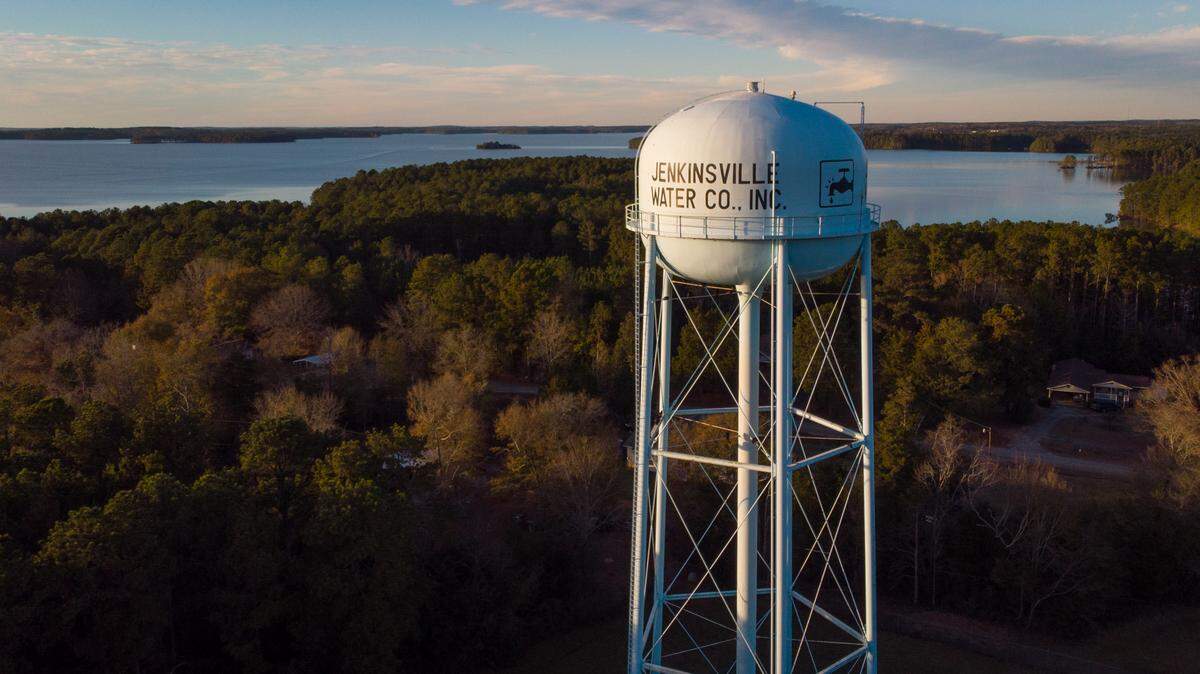
A small South Carolina utility with a recent history of drinking water violations has taken the unusual step of suing a customer who complained about the quality of water piped to her house in rural Fairfield County.
In a lawsuit filed this past week, the Jenkinsville Water Co. says Bertha Goins has made false and reckless statements about water quality that have embarrassed the utility and damaged its reputation. The company threatened last year to sue Goins if she did not recant her complaints about substandard water or prove her allegations.
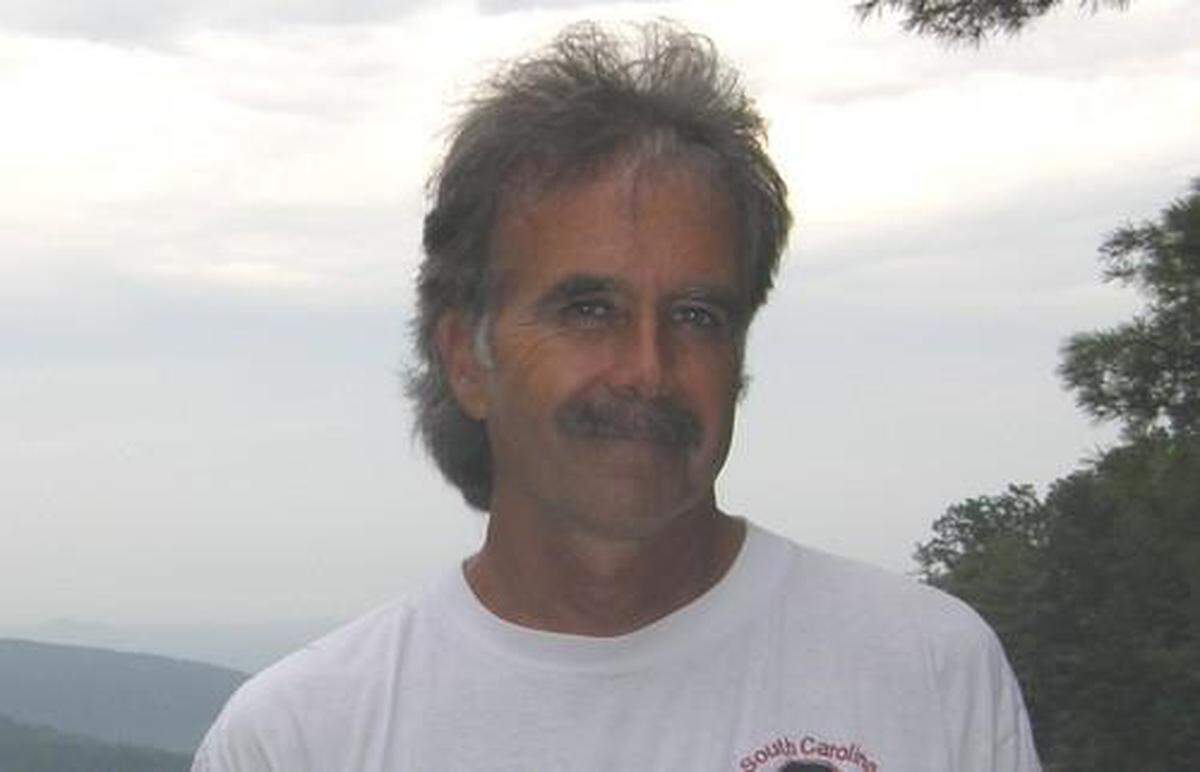
But Goins, a Fairfield County councilwoman, said she is telling the truth — and the water utility doesn’t like that.
The libel and slander suit raised questions this past week about whether it would chill free speech in South Carolina.
According to the suit, Goins has complained to the media and at public meetings that the water has contained sediment and was substandard. Goins also claims there is a “causal connection’’ between health problems suffered by her husband and the water, the suit alleges.
“Defendant has engaged in a public campaign of maliciously attacking Jenkinsville Water Co. by stating that the water .... is substandard,’’ the suit says. The suit goes on to say that Goins’ complaints “are false, defamatory and impugn the good reputation Jenkinsville Water Co. has with respect to the quality of its water.’’
In making statements critical of the water, Goins knew they would be published in newspapers, broadcast on television or published online, the suit says. She also knew her comments about the water at county council meetings would wind up in government meeting minutes, the suit says.
The lawsuit, however, says the water in Jenkinsville is so tasty that the utility has won awards in two of the past three years from state and national water utility associations. And it says a local politician also has praised the company’s president.
Jenkinsville’s suit, which seeks actual and punitive damages, said Goins never made direct contact with the utility about problems she had with the water. She also refused to allow testing of her water after one initial test last year found no problems, the suit said. Goins said the person who came to test her water did not have proper identification and she was unsure who he was.
The Jenkinsville Water Co. is among legions of small utilities across South Carolina. It provides drinking water to Jenkinsville, a crossroads community about a half hour’s drive north of Columbia. The company serves about 2,500 people in a community best known for the V.C. Summer nuclear power plant, just down the road.
‘The government suing a citizen’
The water company’s case against Goins is a concern to free speech advocates, who question whether the suit could discourage complaints.
“As a general matter, this is pretty unusual,’’ said Sarah Matthews, an attorney for the Reporters Committee for Freedom of the Press in Washington.
“For a utility company to sue a customer for complaining about the quality of the water — to sue them for libel — is extremely troubling. This is why the First Amendment is so important. It protects a person’s right to speak freely. That right is particularly important where people have information that should be shared with others, such as about public health problems.’’
Matthews said South Carolina, unlike 30 other states, doesn’t have a law specifically discouraging lawsuits that are intended to curtail free speech.
Jay Bender, a lawyer for the S.C. Press Association who has represented The State and other newspapers, questioned why a public body would take legal action against a customer. The Jenkinsville Water Co. has said it is private, but research Bender said he has done indicates it is public. S.C. Attorney General Alan Wilson also issued an opinion in 2011 that the water company is public.
“It is the government suing a citizen for speech,’’ Bender said. “That is entirely inconsistent with democracy.’’
Goins, a former Jenkinsville Water Co. board member, said she is now trying to determine her next move. But one thing is for sure: she’ll keep speaking the truth, Goins said.
The water system is getting old and it has had problems delivering the quality of water that customers deserve, Goins said.
Goins, who has clashed with Jenkinsville Water Co. President Greg Ginyard, said the company is wasting customers’ money by filing a lawsuit. She also said she never claimed the water made her husband sick.
“How can you sue a customer?’’ she asked, noting that the utility “is trying to discourage anyone from speaking about the problems they have with the water company.’’
T. Jeff Goodwyn, a Columbia lawyer representing the Jenkinsville Water Co., said Goins’ continued and unsubstantiated complaints about the water left the company little choice but to file suit. She had been quiet for a while but began complaining again this year, Goodwyn said. He says the case is not an attempt to chill free speech.
“She’s back at it, despite us winning awards,’’ Goodwyn said. “She’s got no basis for badmouthing us. We just couldn’t sit on our hands anymore.’’
Utility cited by state regulators
The dispute between Goins and Ginyard, the water company president, has simmered for some time.
Goins favors developing a regional water system to replace or support what she says is an outdated system in Jenkinsville. Ginyard says Jenkinsville provides quality water to its customers.
Regardless of that dispute, the water company has had troubles in recent years complying with safe drinking water rules, according to state environmental records reviewed by The State newspaper. State regulators have raised concerns about bacteria and radioactive material in the water.
The utility has been sanctioned by state regulators four times since 2010 for violating drinking water laws, and in 2019, regulators raised questions about the company’s compliance with the rules, state enforcement records show.
In the most recent case, which involved elevated radioactivity readings in the water, Jenkinsville reached a consent agreement with the Department of Health and Environmental Control. Jenkinsville disputed DHEC’s allegations about drinking water violations, and ultimately, DHEC agreed not to fine the utility if it would make improvements to address the issue with radioactivity.
The Jenkinsville Water Co. is among scores of small water systems across South Carolina facing increasing challenges, The State reported last year.
Many systems are growing old and the pipes are beginning to crumble, but they don’t have enough ratepayers to pay for repairs. Many systems also can’t get state or federal aid because they don’t have the expertise to seek grants or loans, or the money to pay back even low interest loans. Some systems also are reluctant to join regional water authorities because they don’t want to give up control or the revenue that, in some cases, is used to support small town services.
This story was originally published March 7, 2020 at 6:50 AM.