Does ragweed make you sneeze? A new species has been found in SC, but this one is different
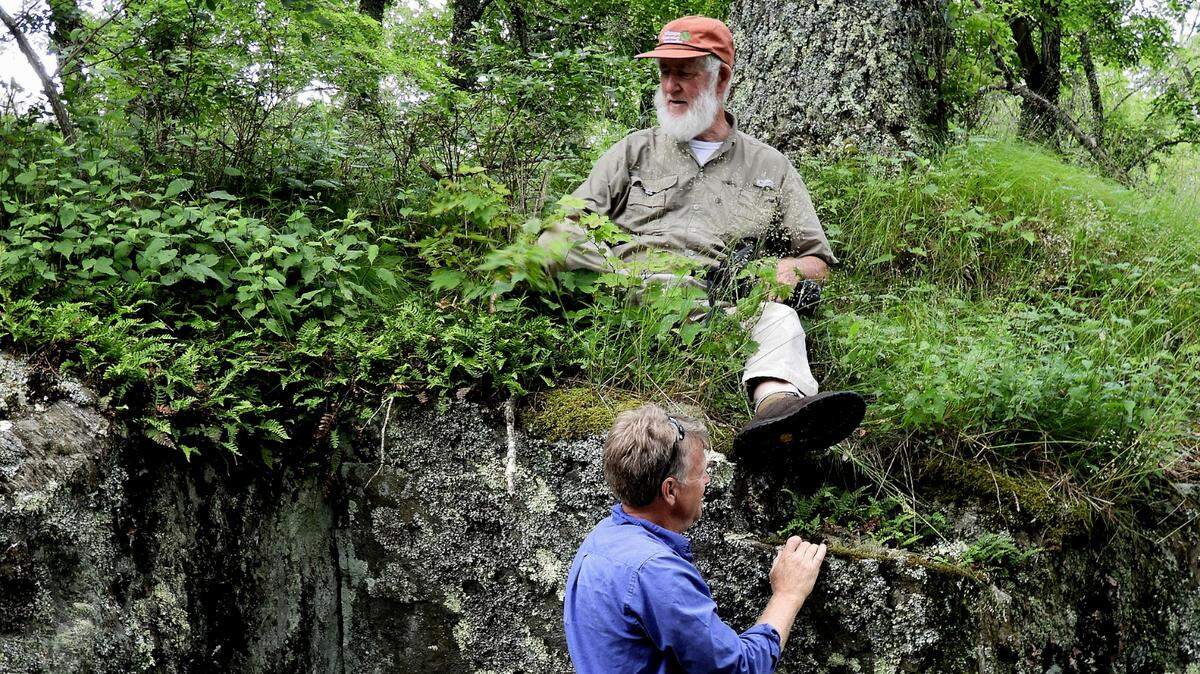
Hiking across a small mountain in South Carolina two decades ago, scientists Patrick McMillan and Richard Porcher noticed a straggly weed popping through a rocky outcrop.
The plant seemed different than many they had seen that day. It had a sweet smell, slender leaves and was sticky to the touch. Unknown to them at the time, the plant was a rare type of ragweed, only less of a threat to people with allergies than the common variety.
Now, this fragrant plant, found in the Poe Creek area of northern Pickens County, has been verified as a new species after two decades of study — and it’s being named for Porcher, a retired professor at The Citadel who is considered the dean of South Carolina botanists.
Porcher said he’s thrilled to have a plant named after him, even a rare cousin of the common ragweed that gives so many people fits. The official name is ambrosia porcheri.
“You realize that 100 years from now, people will be looking back and remembering who I was because of the plant named in my honor,’’ Porcher said. “It’s special, no question about it.’’
McMillan, a former Clemson University professor who is credited with the discovery, said he named the plant after Porcher because of all the Charleston-area resident has done through a distinguished career.
Porcher, 83, is one of the most well-known scientists in South Carolina. He has been studying plants since graduate school at the University of South Carolina decades ago.
Porcher, who grew up in Pinopolis in Berkeley County, taught for three decades at The Citadel before retiring in 2003 and is the author of scores of books and scientific papers. Today, even in retirement, he is writing more books and routinely spends time in the field with other plant researchers.
“He is the South Carolina botanist to most people,’’ said McMillan, known nationally for the Public Television show “Expeditions,’’ which looks at natural areas, plants and wildlife.
“He is kind of a legendary figure. He’s always been inspiring to me.’’
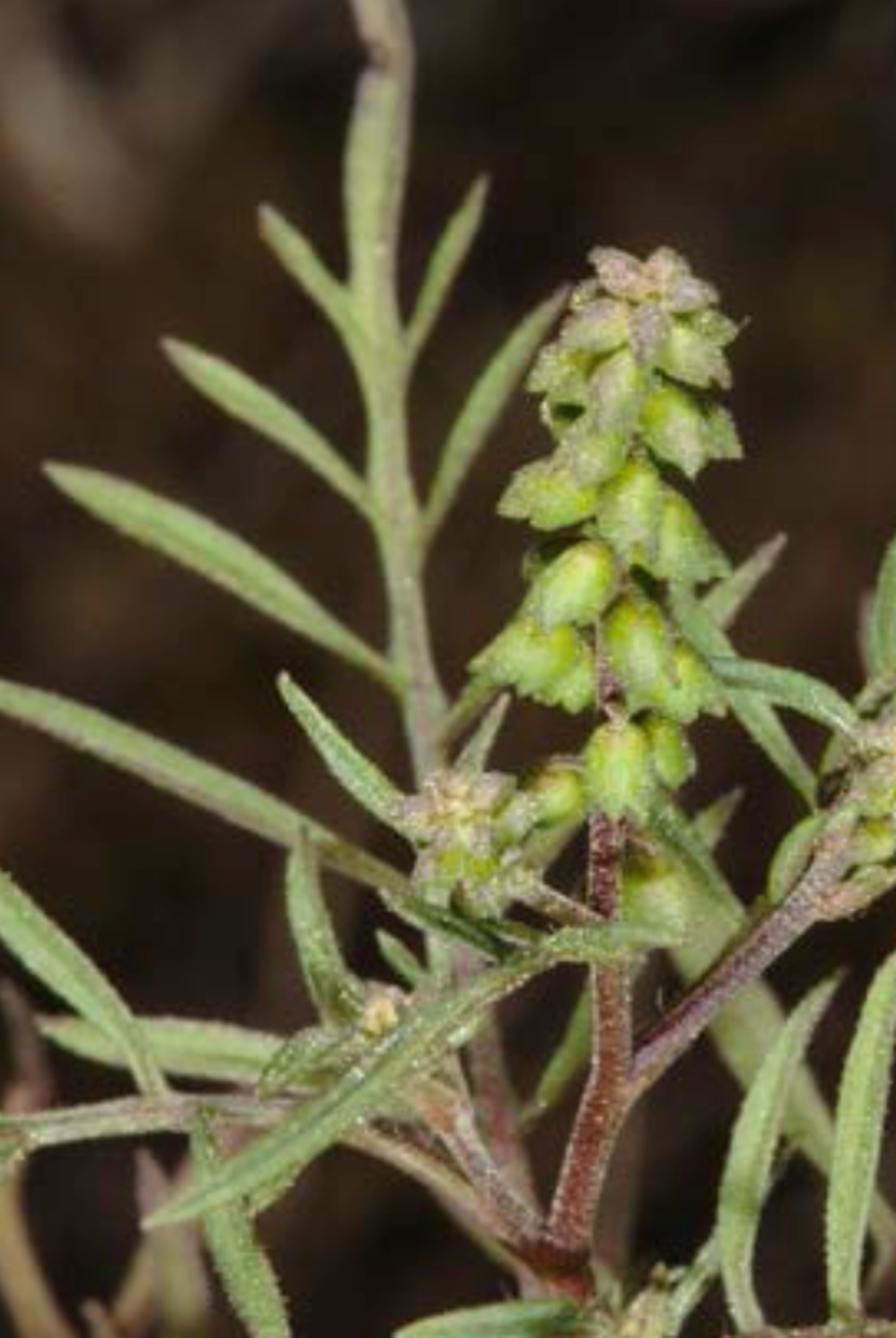
The ragweed that will bear Porcher’s name is a fragile plant that should be considered for designation as a federally protected endangered species, McMillan said. He’s found it in only four places, all in South Carolina’s mountains near S.C. 11, a state scenic highway.
The plant had been seen by scientists as far back as the 1940s, but it wasn’t until McMillan began looking carefully at it that he realized it might be a distinct species. He and a fellow researcher, Luanna Prevost, spent years studying the plant. Their conclusion that it was a distinct species was verified by other scientists and published Feb. 17 in the peer-reviewed nature journal Phytoneuron.
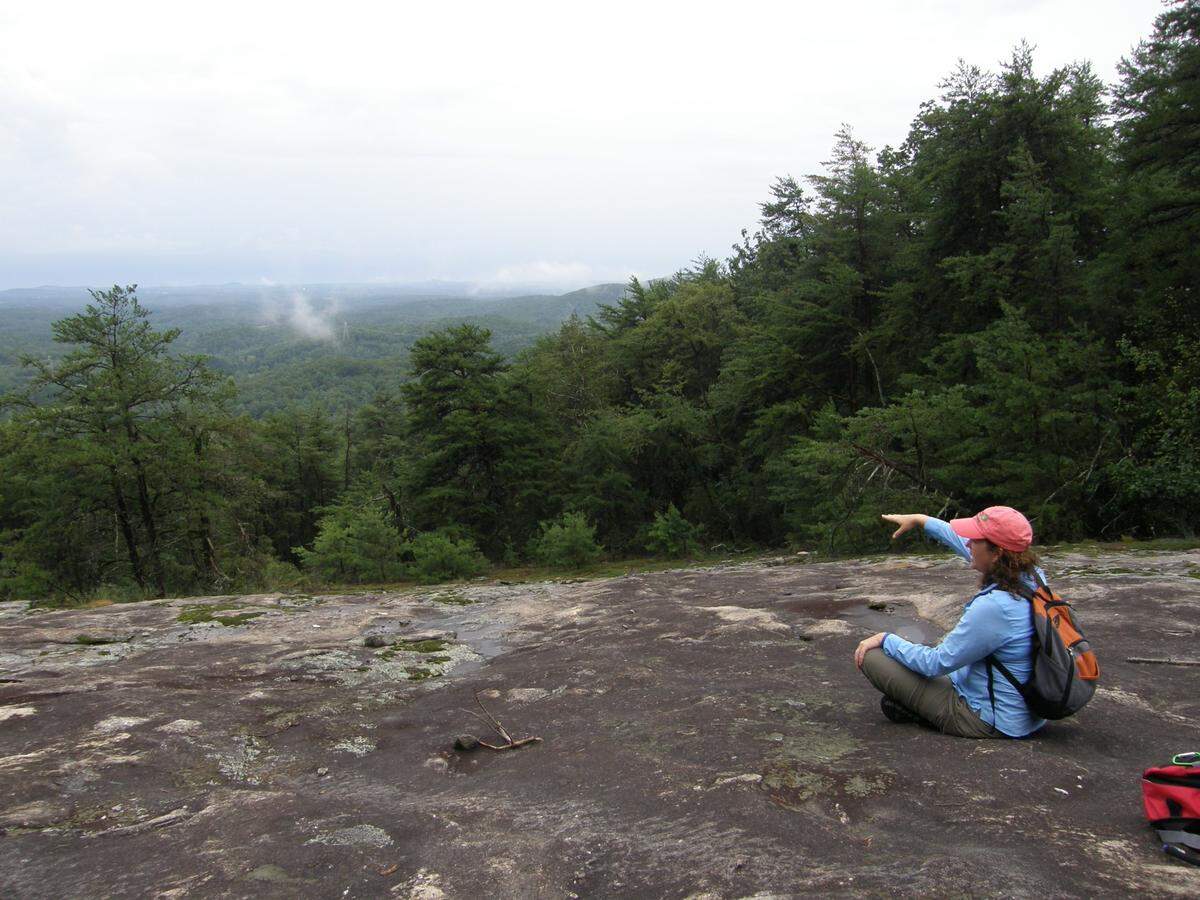
The Porcher ragweed is known to grow only in the shallow soil of south-facing stony outcroppings. In addition to Poe Creek, it has been found at Table Rock, a popular and visible mountain in Pickens County, as well as in the lower mountains at Nine Times south of S.C. 11, and at a spot in northern Greenville County.
Among the plant’s most interesting features is its sticky leaves and the Jasmine-like odor that McMillan and Porcher noticed two decades ago. It is a mixture of red, purple and gray green, and can stand knee high on adults.
“It really has an overwhelming fragrance when you walk through it, or you brush up against it,’’ McMillan said. In contrast, common ragweed has a “rank’’ smell that is anything but pleasant, he said.
The Porcher ragweed is unlikely to trigger allergies in large numbers of people because it is so rare, researchers said.
Keith Bradley, the state botanist with the Department of Natural Resources’ Heritage Trust division, said finally verifying that it is a new species is an exciting development in the world of botany.
He agreed the Porcher ragweed should be protected, and urged people to be careful when walking across rocky, bald areas of the mountains near S.C. 11.
Hikers not only could inadvertently trample the plants, but their footsteps across vegetated patches of rock faces could erode the thin layer of soil ambrosia porcheri lives in, he said.
“This is fantastic,’’ Bradley said. “Despite it being a ragweed, it looks distinct and has a different ecology.’’
This story was originally published February 25, 2022 at 10:33 AM.