Alarm system failed to work at Columbia nuclear fuel plant, agency reports
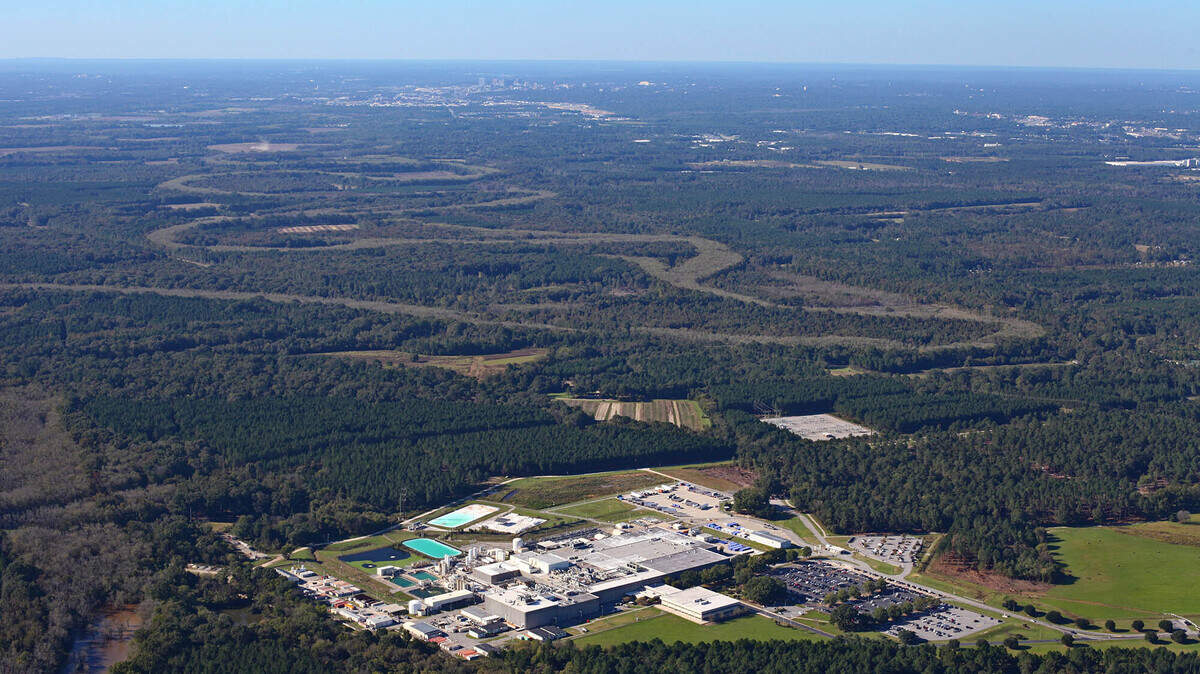
A nuclear accident warning system failed to operate at the troubled Westinghouse atomic fuel plant near Columbia recently after part of the plant suffered a loss of power, according to the U.S. Nuclear Regulatory Commission.
The incident involved an alarm system that is supposed to warn of a “criticality’’ event, or a burst of radiation that could endanger workers inside the Westinghouse fuel plant southeast of Columbia.
A circuit breaker tripped Aug. 23, causing the loss of power to the plant’s criticality accident alarm system, according to an incident report Westinghouse provided to the NRC.
The warning system failure at Westinghouse occurred just weeks before the NRC is expected to issue a license for the aging nuclear plant to continue operating another 40 years. Many people opposed the 40-year license, arguing that the plant’s history of pollution and safety missteps warranted a shorter license period.
In this instance, all power was lost at two stations in the criticality alarm system, according to the NRC incident report. The report said a loop system composed of seven horns and a strobe light was disabled. Some equipment was not operable for at least 30 minutes, according to the report.
“The purpose of the criticality accident alarm systems is not to prevent an accident but to warn workers that an accident has occurred and to evacuate,’’ NRC spokesman Dave Gasperson said in an email.
Westinghouse spokeswoman Karen Gay said the problem had been identified and corrected. Both Gay and Gasperson said there was no danger to the public. Gasperson said the alarm system was not out of service for a substantial amount of time.
Gay noted that even with the alarm system problem, other horns across the site were available to warn workers. A security guard could also have made a public address announcement if necessary, she said.
While there was no known accident at the plant, it’s disappointing that the alarm system didn’t work — particularly when the federal government will soon issue a new 40-year license for the nuclear plant, said Tom Clements, a nuclear safety watchdog critical of Westinghouse. He expects the license to be issued early next week.
A recent NRC study said the plant, which makes fuel rods for nuclear power plants, would have low to moderate impacts on the environment during the next four decades. But nuclear safety advocates, environmentalists and those who live near the plant have said they are worried about its impacts on the largely African American community of Hopkins.
The Westinghouse plant, established in 1969, is on Bluff Road just a few miles away from Congaree National Park and the Congaree River. The fuel factory has been beset with accidents and groundwater contamination through the years. Since 1980 more than 40 environmental and safety problems have been linked to the Westinghouse plant, according to newspaper reports and public records reviewed by The State.
A rash of problems since 2016, including a leak of uranium through a hole in the plant’s floor and the finding of previously unknown groundwater pollution, have caused elevated concerns in the community.
Congaree Riverkeeper Bill Stangler called the alarm system problem “a concerning development in what has been an ongoing pattern of issues at this plant.’’
This story was originally published September 1, 2022 at 6:24 AM.