Hunter involved in ‘zombie’ deer case pleads guilty. Diseased deer head brought to SC
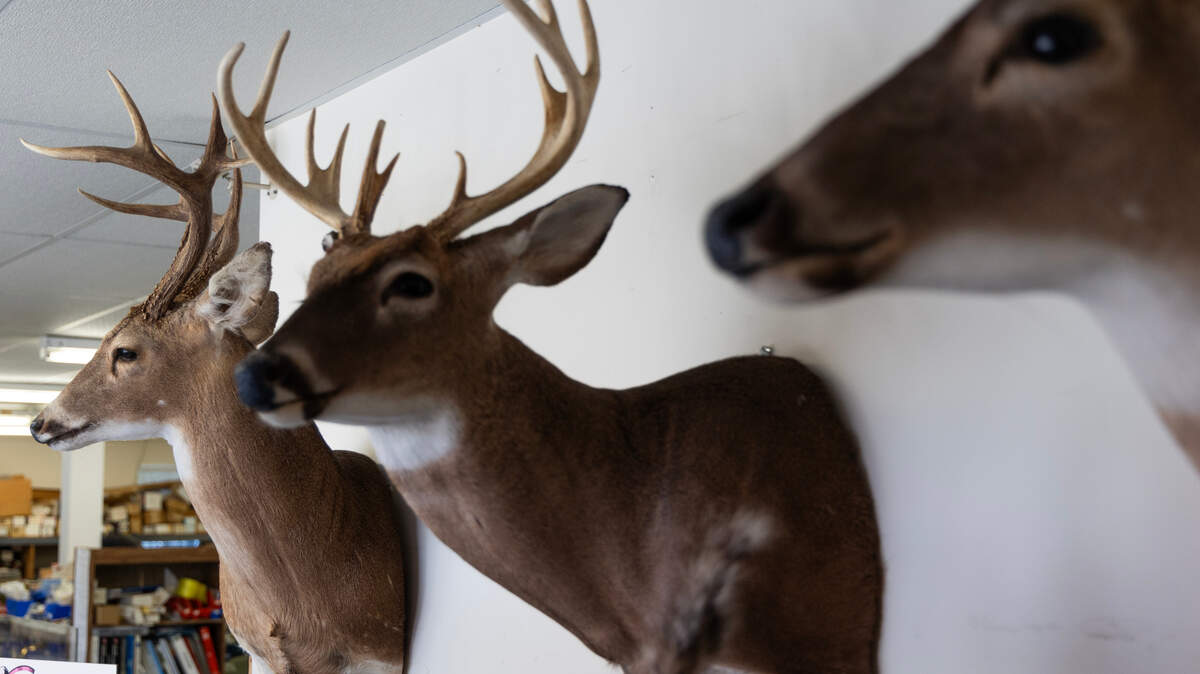
The third member of a hunting party accused of bringing a deadly deer disease into South Carolina pleaded guilty Monday to illegal wildlife transport charges that resulted from a trip to the Midwest four years ago.
Justin Grady LeMaster, who signed a plea agreement last week, admitted in federal court that he was part of a group that broke state and federal laws when it hauled a deer head with chronic wasting disease to South Carolina from Kansas.
The plea agreement would allow LeMaster to avoid prison time, but he would have to serve one year of probation and give up his hunting rights during the time of the probation. He also would have to pay a $1,200 fine, according to the plea deal, which must be approved by a federal judge.
The case he’s involved in is more than a routine dust-up with the law because it involves the introduction of a disease to the state that has never been documented in South Carolina. Over time, chronic wasting disease can kill enough deer to deplete populations, many natural resources officials and scientists say. So far, it is not known to be a threat to people, but scientists have not ruled that out, either.
Animals infected with chronic wasting disease are sometimes called “zombie deer’’ because they lose weight, drool and stagger around in the late stages of the illness. That makes them more susceptible to being killed by predators or in collisions with cars. Eventually the deer die.
State wildlife officials in South Carolina say the diseased deer head did not spread the sickness into the wild, but it had the potential. That would have been a big deal because deer hunting is one of the biggest outdoor sporting activities in South Carolina, generating millions of dollars for the economy each year.
LeMaster, a 42-year-old disabled construction worker from Union, declined comment after his guilty plea before U.S. District Judge Mary Geiger Lewis. He quickly exited the federal courthouse in Columbia.
His plea deal brings to three the number of hunters admitting guilt in the case. Federal prosecutor Elle Klein said in court Monday that LeMaster and co-defendants Sean Paschall and Chad Seymore ran afoul of Kansas game wardens in December 2019 after the wardens received a complaint that someone was shooting deer outside a vehicle.
Wearing body cameras, the wardens found violations of Kansas game laws and issued a citation to LeMaster for having an untagged doe and for not having a hunting license with him, Klein said. They visited a cabin LeMaster had rented in Kansas, a state where the hunters took annual trips.
The next day, LeMaster and Paschall drove back to South Carolina with deer heads, antlers and deer meat from Kansas, she said. Some of the deer parts had been taken in violation of Kansas law.
After learning of the transport to South Carolina, the S.C. Department of Natural Resources took possession of the deer heads, finding that a deer Seymore had killed was positive for chronic wasting disease, Klein said.
LeMaster, who has hunted since he was a child, faces the lightest penalties because he had a lesser role in the case, Klein said.
Seymore, a Spartanburg County nuclear worker, faces the heaviest sentence — three years probation and a $10,000 fine — after pleading guilty to misdemeanor wildlife charges in September. He faced two separate wildlife transport charges, one involving the transport of mule deer parts and the other white-tailed deer parts, according to the August federal grand jury indictment.
Paschall, who is from the Union area, faces two years probation and a $5,000 fine following his guilty plea in October. Like Seymore and LeMaster, he faced charges centered around the transport of white-tailed deer parts.
All three are to be sentenced soon, at which time the judge can accept or reject their plea agreements.
The U.S. Attorney’s Office handled the case because it is illegal to break wildlife laws in one state and then transport wildlife or animal parts across state lines. Maximum penalties for violating the federal law include a year in prison and fines of up to $100,000 for individuals.
This story has been updated from an earlier version.
This story was originally published November 20, 2023 at 5:24 PM.