
Midlands parks staff battle sand, mud & fallen trees as they work to reopen riverwalk
Below a train trestle that crosses over the Cayce Riverwalk, there used to be a large sandbar.
Riding along the trail in a golf cart Thursday morning, the city’s Public Information Officer Ashley Hunter recalled how it was frequently used by kayakers looking for a rest spot while paddling the Congaree River. Parks Department Manager James Denny added that local college students frequently took to the sandbar in the summer to lounge and sunbathe.
But there is no sandbar now. The Congaree, which Denny said swelled to 31 feet along the Cayce Riverwalk following Hurricane Helene’s rainy onslaught in the Carolinas, picked it up and dropped it directly on the trail. There were spots along the walk where sand could be seen to have piled up 2-3 feet. Several benches sat mostly buried in the sediment.
It’s one of a few nagging issues parks staff in the city across from downtown Columbia are working through as they tackle their biggest riverwalk cleanup since the “1,000 year flood” in 2015, which pushed the river to 31.5 feet.
“[The water] stayed up for about a week,” Denny said. “During that time, it deposited anywhere from 6 inches to a foot of soft silt and debris onto the parkway. Trees and stuff came down across the pathway. The first thing we did was come in, did an assessment, removed the trees that were blocking the pathway, and then we came in with our backhoe and other equipment to remove the muck and mud from the walkway itself.”
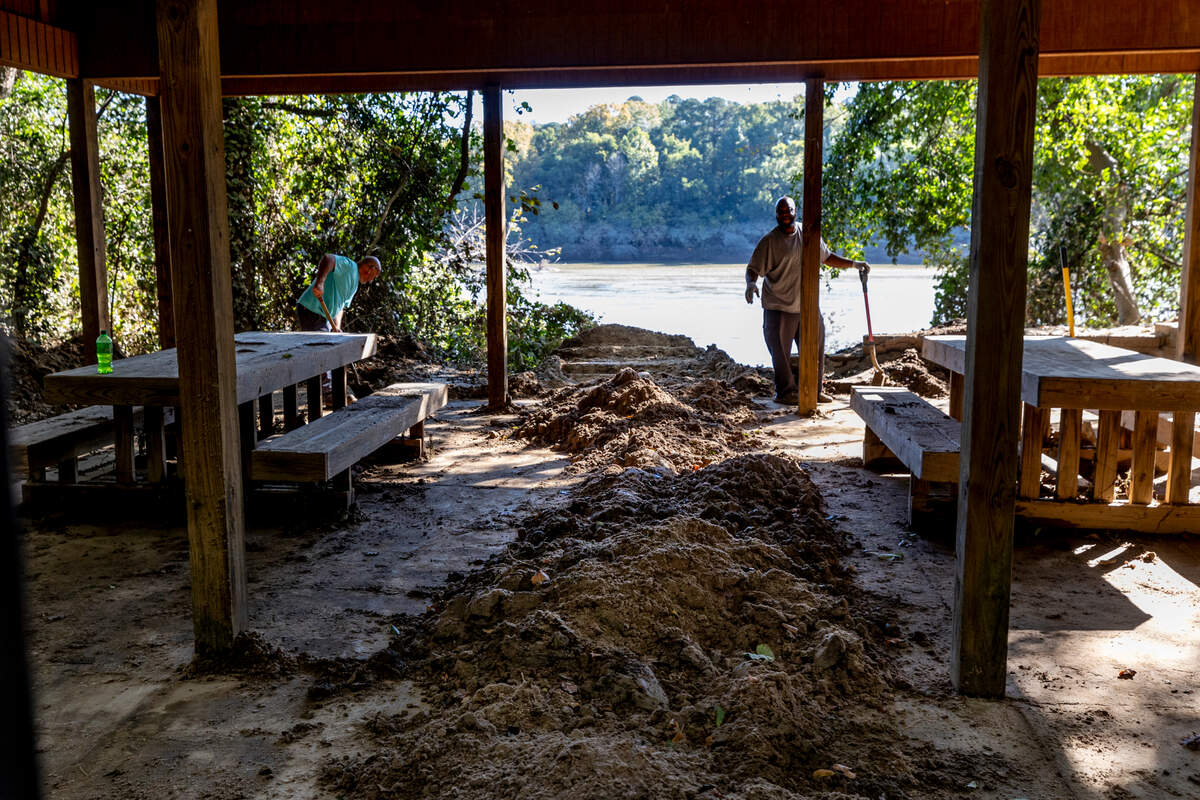
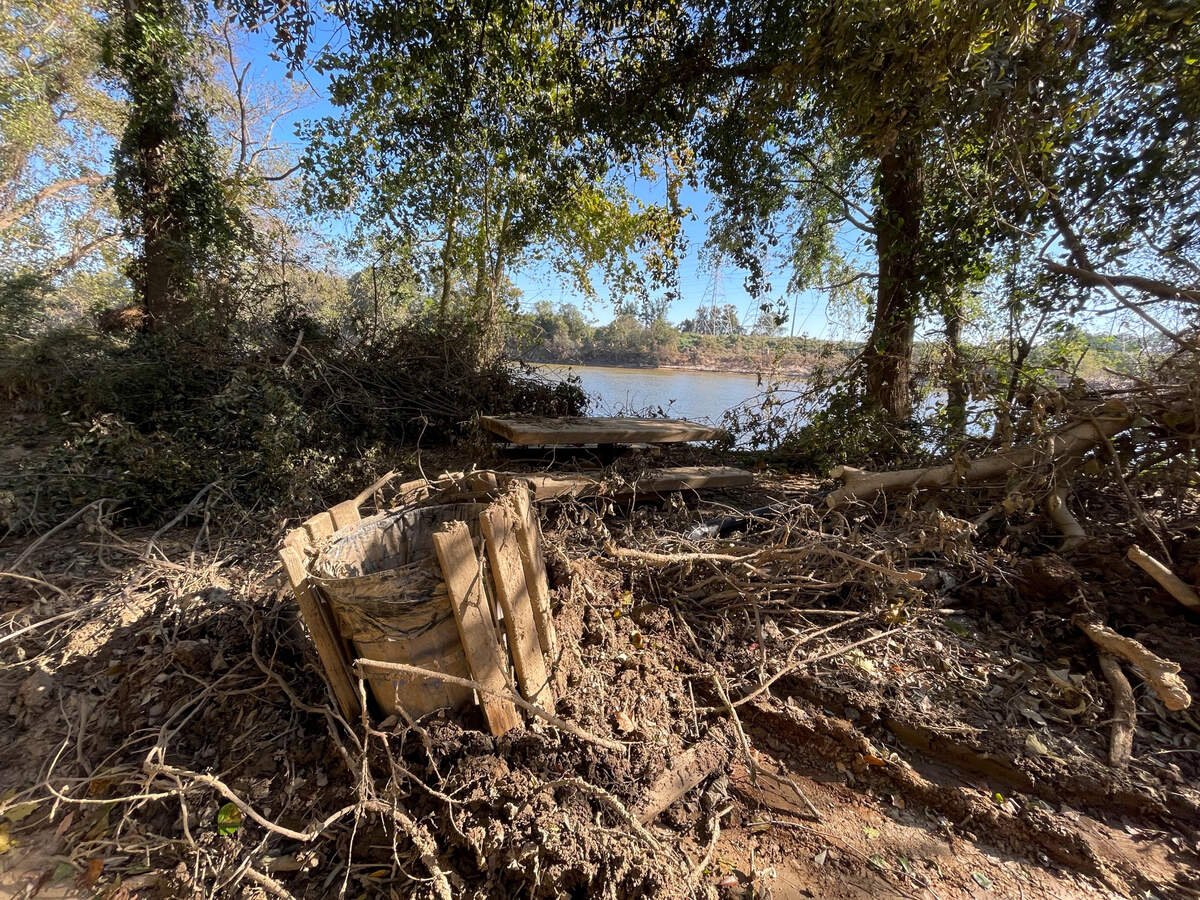
There are a host of issues to be addressed, including the sand and felled trees, many of which were large trunks deposited by the river when it flooded. Phases 3 and 4 of the riverwalk, its southernmost portions, and the attached Timmerman Trail loop were hit with many fallen trees that covered bridges and other parts of the trail. The city worked with the contractor it regularly brings in to address such issues and plans to reopen this portion Saturday morning.
The hope is to open northern phases of the riverwalk, including the run between the Blossom Street Bridge and the train trestle and the long boardwalk that runs past the old Granby Locks, next week. But the job won’t be easy.
Multiple light poles were ripped out of the ground, necessitating that Dominion Energy come in to tend to exposed electrical wiring and open power boxes.
Big sections of riverbank washed out and fell away. The path was left unscathed, but there is concern that the trail’s 1,800-foot stretch of boardwalk running along a steep bank is, while stable, sitting at an angle that would be unsafe for the many cyclists who frequent the park.
“They come running here 15 miles an hour on a bicycle, they are going to go sideways and up into the rail” and possibly topple into the river, Denny said.
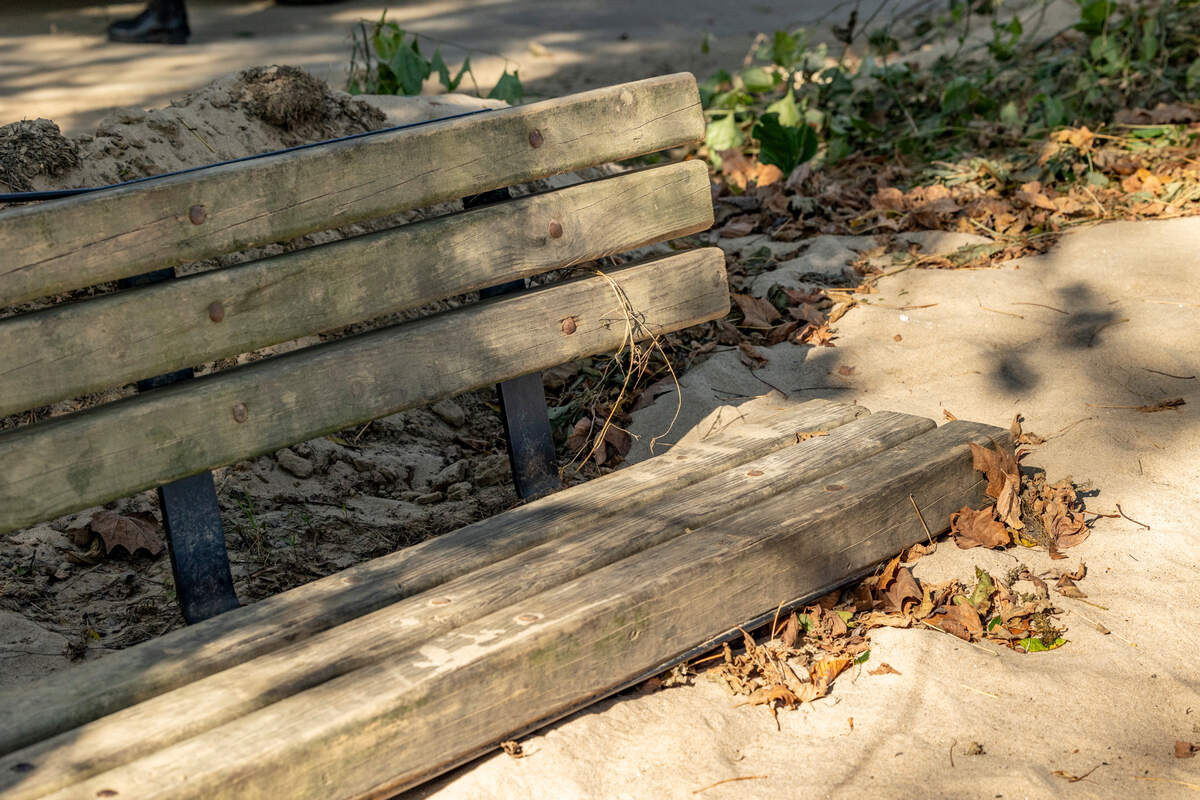
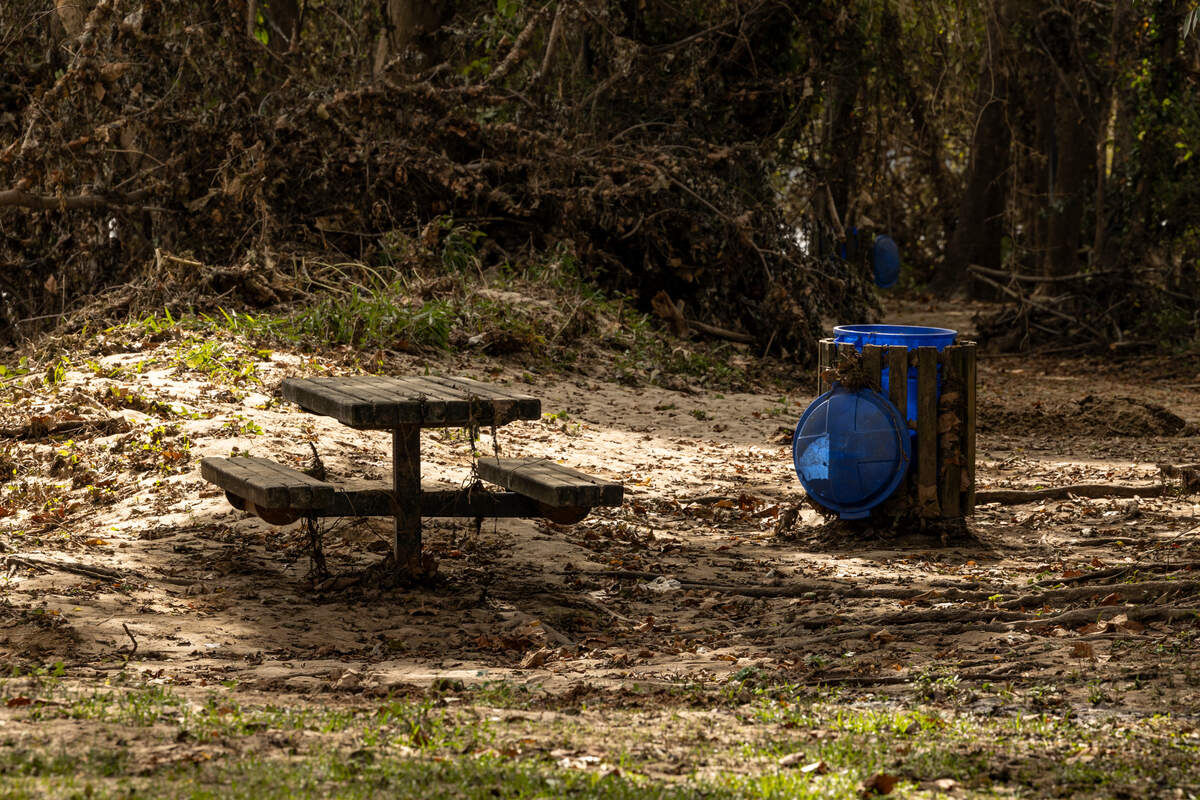
Leveling the boardwalk is a routine concern, however, as staff regularly have to do such maintenance in response to erosion.
“We call it 1,800 feet of hell,” Denny joked.
The long wooden walkway was built after the 2015 flood ravaged that section of the riverwalk and forced a closure that lasted nearly a year. The section was closed for five months this year to place a sagging section onto more secure foundations.
It’s a good thing they did, Denny added, pointing out the old pylons sagging toward the water. Without the repairs, that part of the boardwalk would have washed away.
But the most daunting task is cleaning up the thick layer of mud that caked the northern and southern ends of the trail. When the river gets up very high and stays that way for a while, it doesn’t just wash up sand, which can be pushed aside relatively easily with push brooms and other implements. It slathers on river mud.
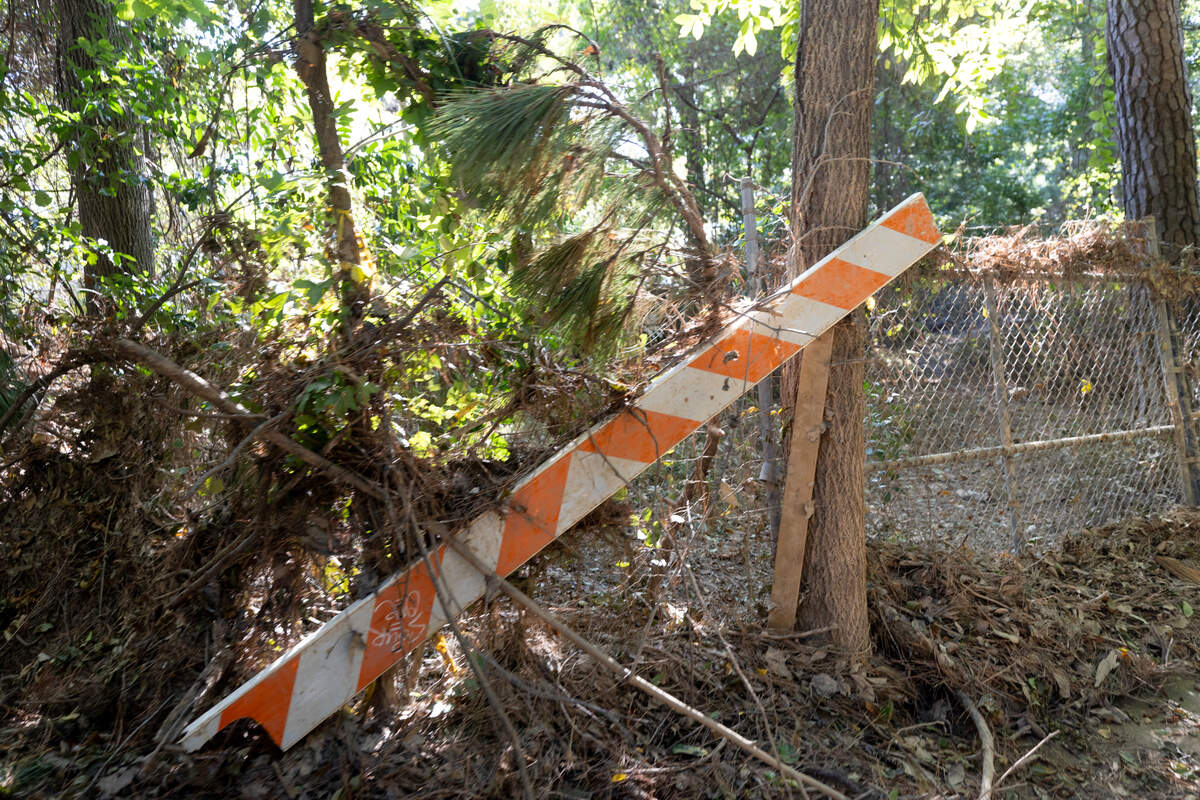
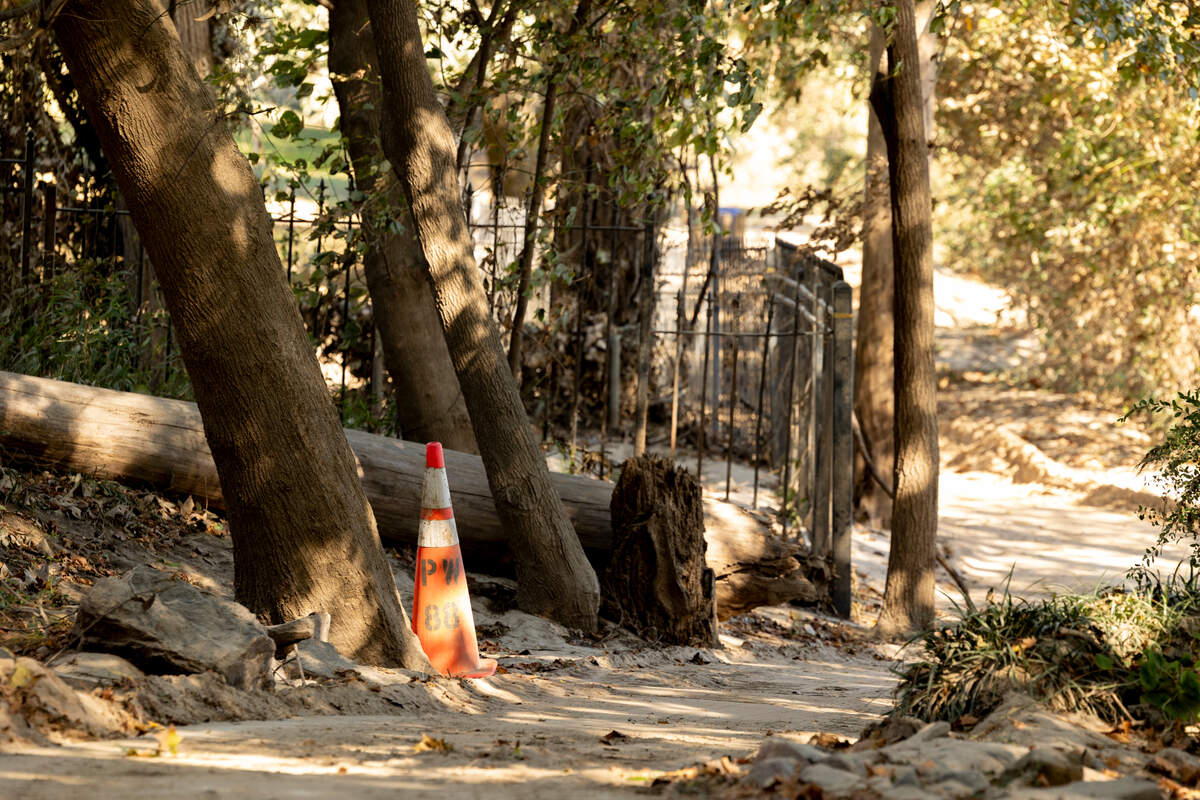
The mud is far more unyielding, Denny said. It traps tires and boots when the staff get out to start their assessment. It takes a lot of effort to dig up and move away, and you have to wait for it to dry out — meaning every time it rains during the cleanup sets back the process by a day.
“If we step off the trail, you losing some shoes, and you ain’t getting them back,” Denny said.
As the parks manager drove back to the parking lot, he mentioned that sometimes other things besides trees, sand and mud get washed up.
“One year, we had about 10 or 15 catfish, about two and a half feet long,” he said, pointing to a low area back from the trail. “They got stuck when the water went up and came down fast.”
This story was originally published October 11, 2024 at 8:57 AM.
.jpg)