Massive land protection effort in the works for South Carolina
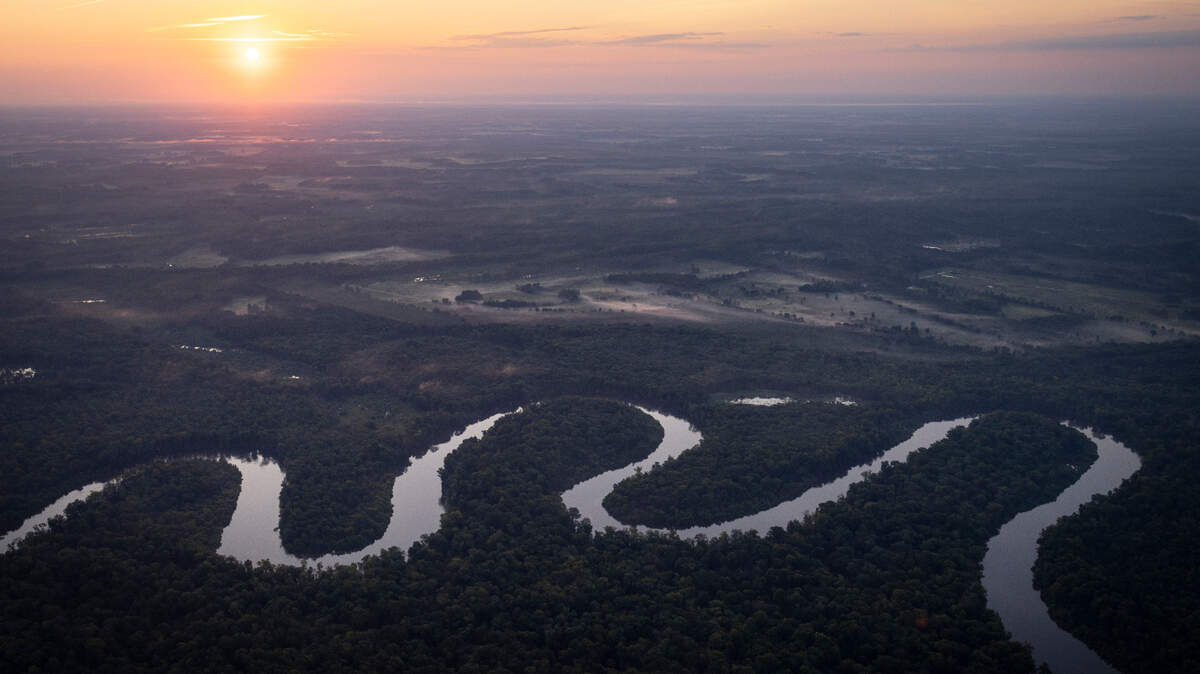
With a huge federal grant approved, conservation groups and state agencies are moving to protect tens of thousands of acres from development in eastern South Carolina, an effort they say is the largest land conservation effort of its kind in the state.
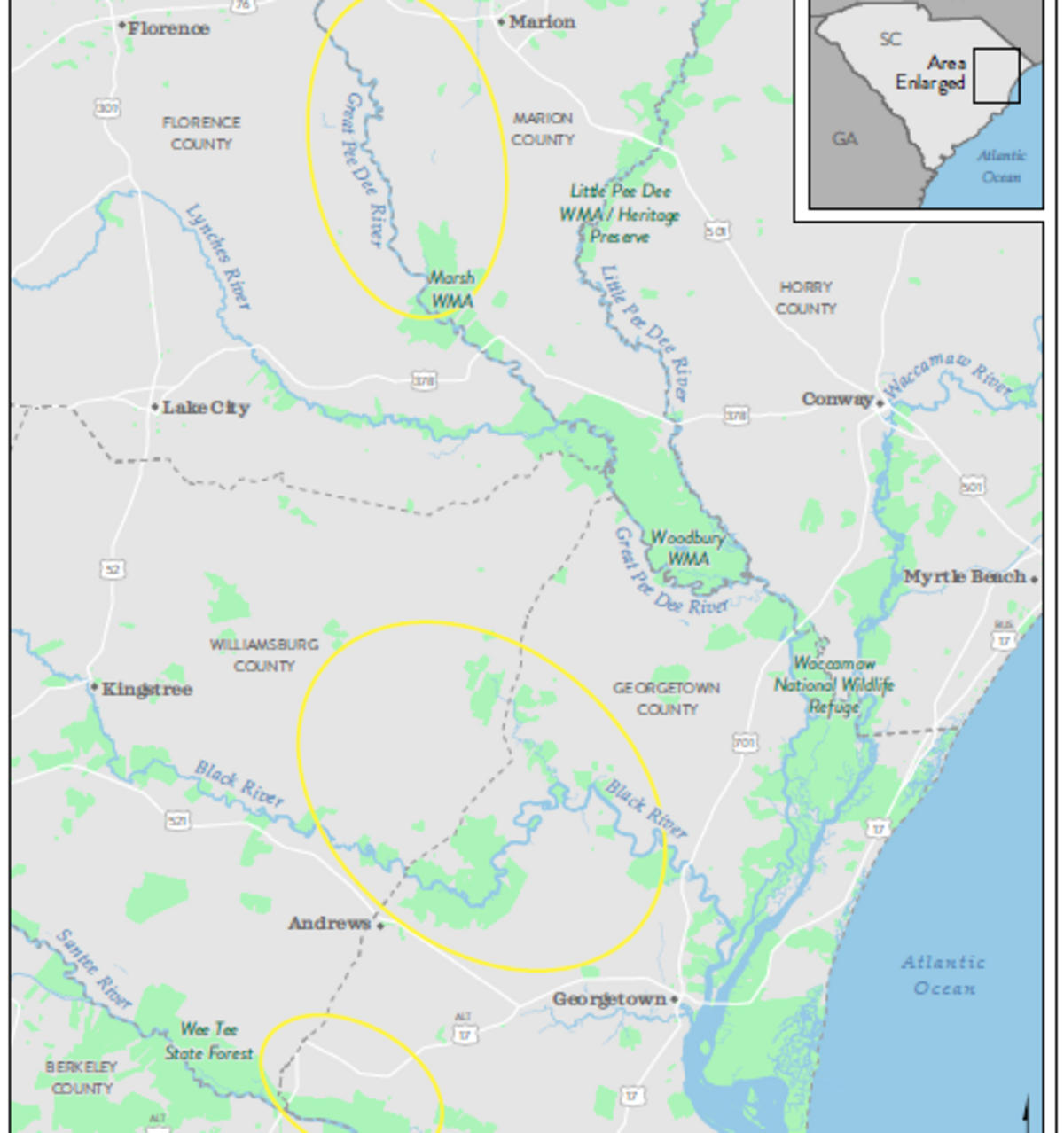
The federal government has agreed to provide a $50 million matching grant to preserve land in Marion, Williamsburg and Georgetown counties along 20 miles of three major rivers: the Great Pee Dee, the Black and the Santee. All told, some 62,000 acres would be protected, according to a news release this week from the Open Space Institute, the S.C. Department of Natural Resources and the S.C. Forestry Commission.
It’s not a done deal because the state must come up with $17 million to match the federal forest legacy grant, and working out details could take a year or more. But those involved in the effort were upbeat about the prospects that the 62,000 acres would be preserved from development and mining. Gov. Henry McMaster has expressed support.
“This is a historic moment for South Carolina,” the Open Space Institute’s Maria Whitehead said in a news release announcing the federal grant. “In one fell swoop, we are poised to protect a landscape as large as Cape Romain National Wildlife Refuge. ‘’
Cape Romain is one of the signature nature preserves in South Carolina, a well-known complex of salt marshes and undeveloped barrier islands between Charleston and Georgetown.
The Open Space Institute, a national land conservation group, has taken a lead role in the effort to protect the property in South Carolina’s Pee Dee region. The effort also involves the DNR, the Forestry Commission and private landowners, officials said.
Most of the property will be protected in the form of an easement, which means the owners keep the property in exchange for giving up development rights.
The land protection effort would be the single largest conservation easement project in state history, the Open Space Institute and the DNR said.
Conservation easements are often put together to make sure that property is not developed, even though the public would not own it. The idea is to provide corridors of habitat for wildlife.
Another major land protection effort that has relied heavily on conservation easements is the ACE Basin initiative, which has resulted in the preservation of several hundred thousand acres in the Lowcountry. But the ACE project was composed of multiple, smaller easements than the one planned for the Pee Dee lands, state Forester Scott Phillips said.
In the Pee Dee lands effort, most of the protected land would not be open for public use, but some would.
Phillips said about 6,600 acres would be available for public hunting. A small amount of the 62,000 acres — nearly 900 acres — would be purchased by the state to expand the Wee Tee State Forest. That would be open for use by the public.
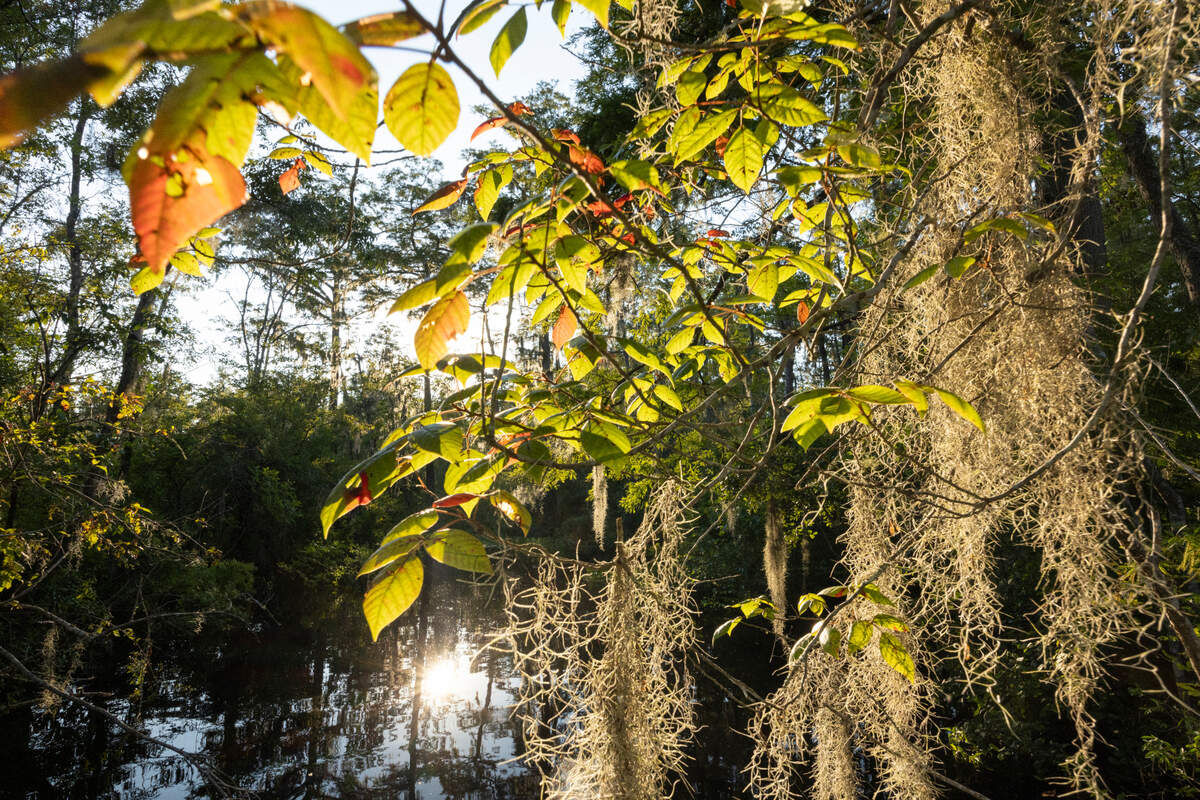
The owners will still be allowed to harvest timber from the land, which has historically been working forestry property. It consists of both upland pine forest and low-lying hardwood tracts. Nearly half of the 62,000 acres is bottomland hardwood forests that would have some harvesting limits on it.
Details of the agreement are still emerging, including the names of the owners who are selling the easement, but the news release said four landowners are involved. Phillips told The State that the owners of the property are investment funds. A timber investment management organization, Resource Management Service LLC, manages the property, officials said.
Much of the upland property is composed of pine plantations, which are often clear cut in rotations. But limits on clear cutting would be imposed on the bottomland hardwood forests, as would rules for how much tree canopy has to be retained. That would be done in accordance with the Audubon Society’s bird friendly principles, Whitehead and Phillips said in interviews with The State newspaper.
State and conservation officials said the land protection would safeguard habitat for more than 100 important plant and animal species. The biggest chunk of riverfront to be protected is along the Great Pee Dee, which harbors rare fish, such as sturgeon, as well as uncommon mussels and crayfish.
The part of the state where the land would be protected is, today, a relatively undeveloped area of forests, swamps and rivers roughly between Georgetown and Florence. Some is not under heavy development pressure now, but Phillips said that could change in the future, so protecting the land now is important.
If the deal goes through, it would complement efforts in recent years to protect other property in the area. South Carolina is already developing a state park along the Black River, and Tuesday, the Open Space Institute announced the acquisition of 850 acres in Georgetown County for the new park. The land will cover about five miles of shoreline on Black Mingo Creek, a tributary of the Black River. The land has a boat launch for paddlers, the institute said.
In the past, state agencies and conservation groups have worked to save more than 25,000 acres near the convergence of the Great and Little Pee Dee rivers.
This story has been updated with a more precise number of acres for land that would be open to the public. The story also has been updated to include information about the ACE Basin.
This story was originally published October 30, 2024 at 11:40 AM.