Feds to study potential danger of nuclear factory at SRS. Could it delay jobs-rich plant?
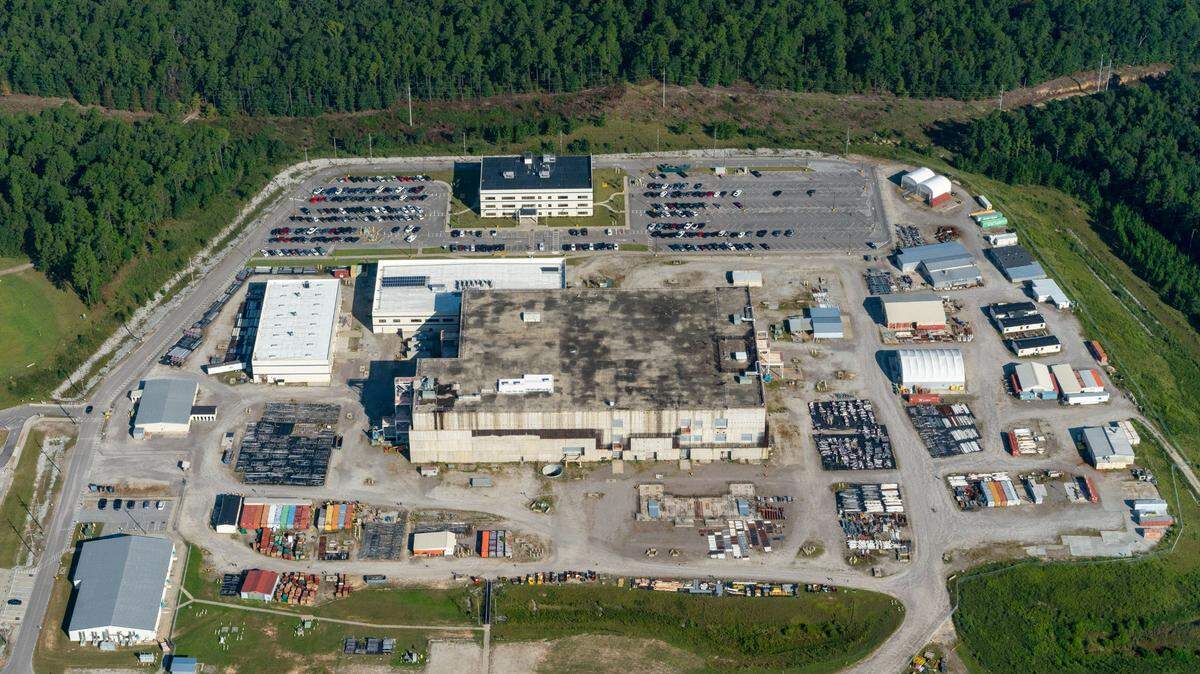
The federal government has agreed to conduct an extensive environmental study of a nuclear weapons production effort that includes a multibillion dollar pit factory at the Savannah River Site in South Carolina.
Sued four years ago by environmentalists, the National Nuclear Security Administration has now agreed to undertake the study as part of a settlement announced Friday. The settlement, which halts some of the proposed construction work at SRS, could delay completion of the pit factory, which was scheduled to begin operation in 2035, according to federal estimates, environmentalists said.
Pits are key components of nuclear weapons. The federal government has said the nation’s existing supply is aging and needs refreshing. Making more pits would provide fresh material for bombs, while also making it possible to develop newer types of nuclear weapons.
According to the government’s plan, pit factories would be developed at SRS near Aiken and at the Los Alamos nuclear site near Santa Fe, N.M. They would collectively produce 80 pits per year, 50 of them at SRS. In South Carolina, the pit plant could result in the creation of about 1,000 jobs, preliminary estimates have shown.
But the government never fully studied the impacts on the nation’s air, land and water when it moved ahead with plans for the pit production program about seven years ago, according to environmental groups who filed a lawsuit in 2021.
Organizations in South Carolina, California and New Mexico agreed to drop their lawsuit questioning the pit production effort, in exchange for the government’s agreement to conduct the long-sought study.
The settlement requires the nuclear agency, within 2.5 years, to complete the environmental study of producing pits for nuclear weapons. Previous studies on the environmental impacts have been done, but not in the detail or the breadth of the new study. The report is known as a programmatic environmental impact statement. A federal court must approve the settlement, but that is expected.
The estimated cost of the project isn’t cheap. The SRS pit factory could cost up to $25 billion, according to a 2025 federal justification report. At one point, it was expected to cost about $5 billion.
Environmental groups were ecstatic Friday about the settlement. The major point to their 2021 lawsuit was to force the federal government to conduct the programmatic environmental study. The study could determine whether a pit production factory is needed at both SRS and the Los Alamos site in New Mexico, if at all.
Concerns center on the health and environmental dangers of plutonium, a key ingredient in pits. Plutonium, in addition to its usefulness in making weapons, can cause cancer in people who are exposed to it. Other concerns focus on whether the nation should build up its nuclear weapons stockpile.
“Given this major legal victory, the public will now have the opportunity to formally comment on not only the environmental and health impacts of plutonium pit production but also the costly and troubling policies that are pushing us into a new, dangerous nuclear arms race,’’ according to a statement from Tom Clements, who heads the watchdog group Savannah River Site Watch.
Efforts to reach spokespeople for the Department of Energy and the National Nuclear Security Administration, a DOE division, were not immediately successful Friday.
But the federal government’s agreement to conduct the study may have been influenced by a federal court assessment in September. A federal judge in Columbia said the DOE and NNSA had violated the nation’s overarching environmental law by failing to properly consider alternatives before launching the pit production effort.
“I’d be surprised if that didn’t have some effect,’’ said Ben Cunningham, an attorney for the non-profit legal service, the S.C. Environmental Law Project. “One of the things that we’re going to continue to look at is whether or not there is an evaluation of alternatives’’ to pit production at SRS or Los Alamos.
Until the final programmatic environmental study is completed, the National Nuclear Security Administration is prevented from installing certain classified equipment at the SRS pit construction site or introducing any nuclear materials in the processing area, Clements and Cunningham said. The government also is prevented from starting construction of a waste lab, a construction maintenance building and a vehicle entry building, according to the environmentalists’ news release Friday.
In addition to examining how pit production will affect South Carolina, the programmatic environmental impact statement must look at plans to send radioactive plutonium from the pit production effort to a New Mexico site for disposal.
“We plaintiffs will work hard to transform this legal victory into nothing less than a public referendum on the new nuclear arms race that threatens all of humanity,’’ according to a statement from Jay Coghlan, a representative of Nuclear Watch New Mexico.
The proposed pit production factory at SRS is to be developed at the site of the former mixed-oxide fuel plant, a project that was never finished. The so-called MOX plant was to turn excess weapons grade plutonium into nuclear fuel, but the project was beset with delays and cost overruns. The federal government walked away from the MOX project about seven years ago after spending at least $5 billion.
The Savannah River Site is a 310-square mile nuclear weapons complex developed more than 70 years ago as key cog in the Cold War. It for years produced components for atomic weapons, but today is in a cleanup mode. Local leaders have been seeking new missions for the site for years. SRS has through the years employed more than 10,000 people in the Aiken area near the Georgia border.
Groups suing to force the government to conduct the programmatic environmental impact statement were Savannah River Site Watch, Nuclear Watch New Mexico, TriValley Cares and the Gullah Geechee Sea Island Coalition. The S.C. Environmental Law Project handled the case.
This story was originally published January 17, 2025 at 6:03 PM.