Farms tainted by chemicals from notorious SC factory considered for cleanup
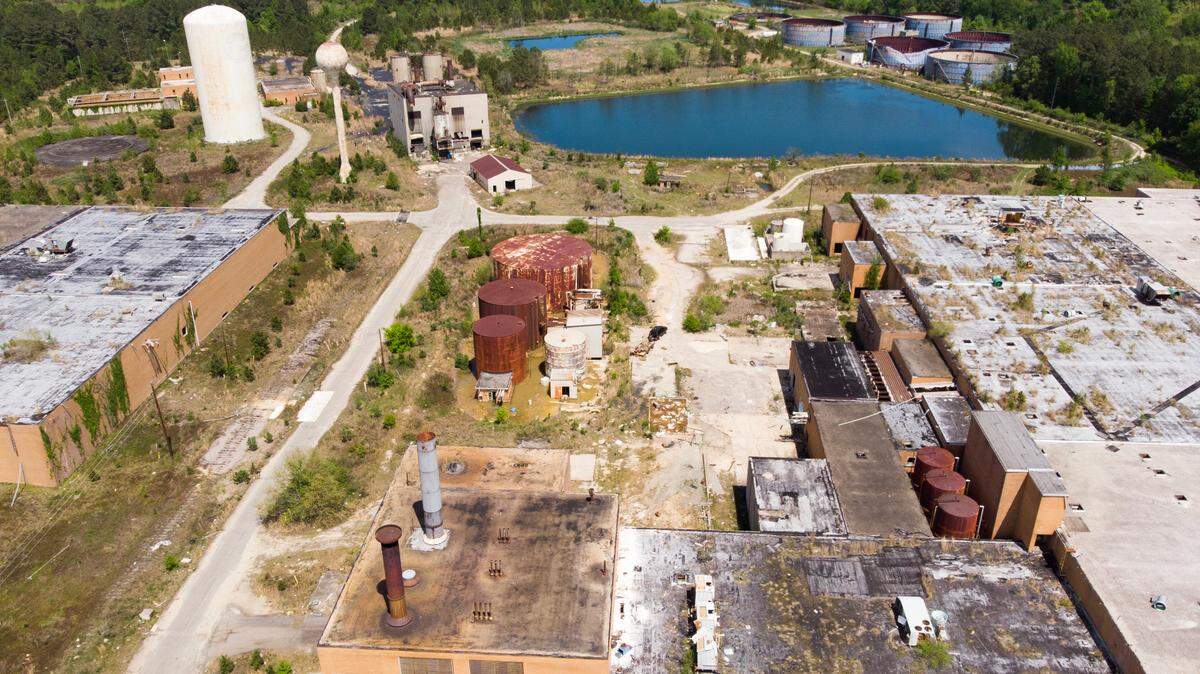
A federally backed pollution cleanup in eastern South Carolina could be expanded to include potentially thousands of acres of agricultural land that was fertilized for decades with chemically polluted sludge from a nearby industrial plant.
The U.S. Environmental Protection Agency is examining whether to broaden its cleanup of the old Galey and Lord textile plant, a now abandoned manufacturing site near Darlington, in a move that could become the first of its kind nationally.
South Carolina regulators say they would support including the farmland in the federal Superfund site designation, if additional studies warrant that. A Superfund classification makes the property a priority for a federal taxpayer-funded cleanup.
The EPA is looking at the farming area as part of its investigation of Galey and Lord and the effects of chemicals on rural residents who live near fields where sludge was spread. The pollutants of most concern are forever chemicals, formally known as PFAS or per- and polyfluoroalkyl substances.
Galey and Lord’s site, a huge facility on the Great Pee Dee River that employed hundreds of people, was put on the national Superfund priority list three years ago.
“Since PFAS has been detected on farmland and in groundwater in wells surrounding the farmland, these areas would likely be incorporated into the site designation’’ as a Superfund project area, the Department of Environmental Services said in an email.
Laura Renwick, a DES spokeswoman, confirmed that her agency recently told The New York Times the department “supports the inclusion of impacted farmland and groundwater into the site designation.’’
The department said extending the Superfund designation to include the farmland is warranted, the Times reported April 21. The Times story, which followed previous reporting by The State, was the latest in the unfolding saga of how toxic forever chemicals threaten the landscape and people in rural eastern South Carolina.
There, unsuspecting farmers used waste sludge from Galey and Lord for parts of 20 years to enrich their crops. Farmers in the area grow a variety of food crops, including beans and corn. Some also raise cattle.
The EPA, through its Superfund investigation of Galey and Lord, determined that the sludge contained forever chemicals and other toxins, and that it had been deposited on farmland in three counties, primarily Darlington.
In an investigative series two years ago, The State reported that 10,000 acres of agricultural land had been approved for sludge disposal from the Galey and Lord plant and that about three dozen wells had been polluted with high levels of forever chemicals.
Some people who drank from polluted wells for years reported illnesses and deaths in their families, The State reported. A handful of Darlington-area residents whose wells were polluted have sued the international companies that manufactured and distributed PFAS.
The latest figures from the EPA show that 43 backyard wells near farm fields outside of Darlington had been identified with elevated levels of one or both of the two most common types of forever chemicals, PFOA and PFOS. Data examined by The State in 2023 showed the highest level for one type of PFAS was some 2,000 times more than a federal standard of 4 parts per trillion.
Because of the threat, state and federal agencies have worked to install filters on wells containing elevated levels of forever chemicals, while a local utility has begun hooking homes to its central water system. The EPA has installed filters on 22 wells and 64 homes have been connected to municipal water, the agency said.
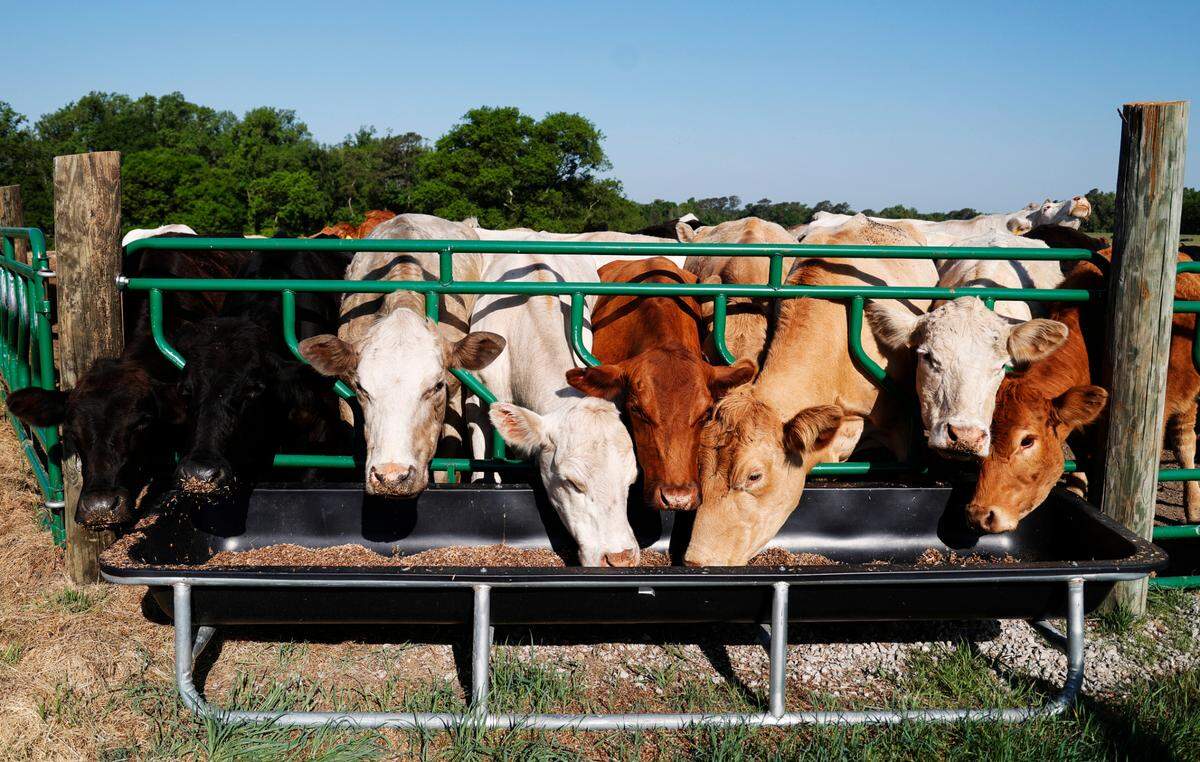
Still, other homes without filters or access to municipal drinking water could be affected, as could crops that soak up contaminated groundwater. There are concerns about how the water might poison crops that people eat or the milk from cows that graze in pastures with PFAS contamination.
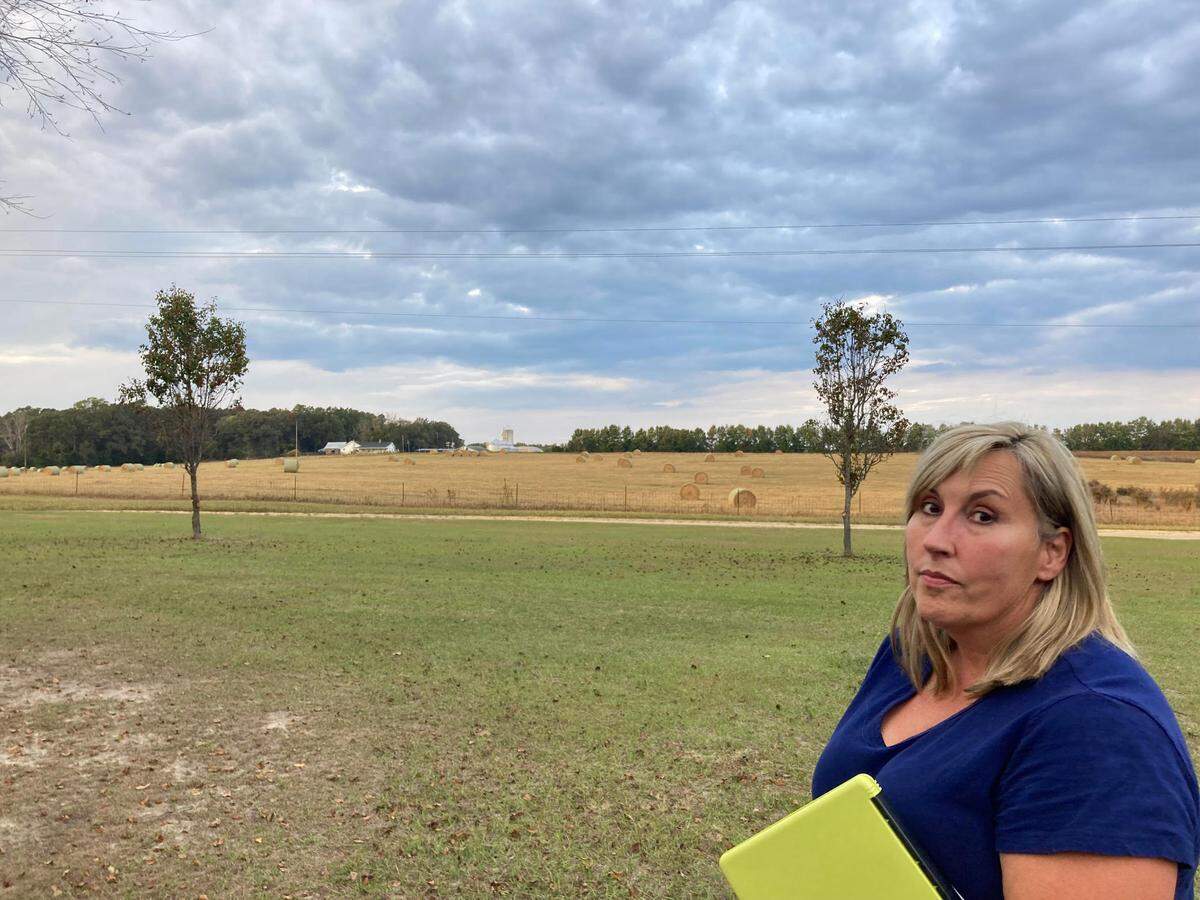
When the EPA would make its determination on expanding the Superfund site is unclear because the agency says more study is needed.
If the agricultural land is added to the Superfund cleanup list, it could take years to rid farms of forever chemicals suspected of polluting groundwater. Work could include excavating and removing contaminated soil. The State previously reported that cleaning up just the polluted Galey and Lord industrial plant could take at least a decade, meaning it could be even longer for farm fields to be cleansed. The EPA said in 2023 that the farm fields were not part of the Galey and Lord Superfund site.
Nationally, Superfund cleanups are known to be methodical, expensive and time-consuming. More than 1,300 Superfund sites have been designated across the country. South Carolina has more than three dozen of these sites.
At this point, only three agricultural fields have been tested, but those all showed substantial concentrations of PFAS. All told, the EPA has identified 304 agricultural fields where sludge from Galey and Lord was approved for use as fertilizer.
Despite the time it could take for the Superfund cleanup, Carl Brzorad, a lawyer with the Southern Environmental Law Center, said expanding the Superfund designation from the industrial plant site to farmland would be a positive step.
“We would absolutely support that being included in the cleanup,’’ said Brzorad, whose organization has been active in efforts to cleanse land and water of PFAS contamination in the Southeast.
PFAS “is certainly not benign,’’ he continued. “It’s malignant. It is a highly, highly toxic chemical that doesn’t break down naturally and that’s why it has garnered the name forever chemicals. It stays in your body, stays in the fish you eat, it stays in the environment and causes any number of cancers for all ages of people.’’
Forever chemicals are compounds used for decades in the United States for a variety of products, from textiles to non-stick frying pans. They are effective at repelling water, but linger in the environment. Illnesses, such as kidney cancer and breast cancer, have been tied to PFAS exposure, as have immune system deficiencies.
The New York Times reported that, if the Superfund designation is expanded to include cleaning up the farmland, it would be the first time that agricultural land polluted with sludge fertilizer would be on the federal cleanup priority list.
As part of its efforts in Darlington County, the EPA will try to access the more than 300 agricultural fields permitted to use the Galey and Lord sludge, the agency said in an April 24 email to The State.
The agency will then collect soil and groundwater samples to determine if any of the land meets “the criteria for inclusion as part of the G&L Superfund site,’’ according to the EPA email. That could be all or part of the 10,000 acres approved for sludge spreading by the state of South Carolina.
DES officials said they were initially concerned that the Times story might indicate the agency was actively lobbying the EPA to include the area. The state department said it is not doing that, only that it would support expansion if the EPA says it’s warranted.
The DES’s response to the story comes at a time when the department finds itself under scrutiny from state lawmakers upset about how department decisions affect private property rights. Some have even called for the Senate not to confirm DES interim director Myra Reece as permanent director.
The environmental services department did not cite any mistakes in the Times story. An EPA spokesperson said the agency found the Times story accurate.
This story was originally published April 25, 2025 at 12:48 PM.