Infections rise sharply as flesh-eating microbe moves through creeks of coastal SC
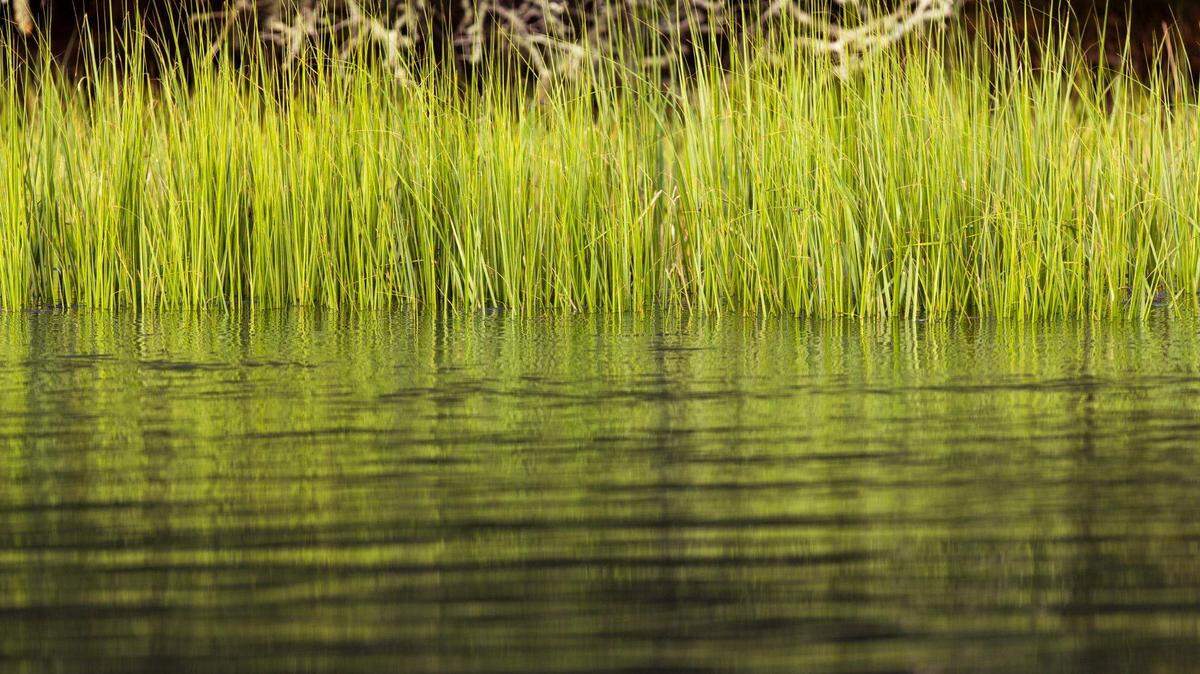
More people are getting sick from exposure to a dangerous microbe that inhabits South Carolina coastal waters, but efforts to learn about the germ and warn the public have become a challenge as the organism expands its range.
The number of cases of vibrio, a microbe known to infect open wounds and cause illnesses from shellfish consumption, has doubled in the past five years, according to data from the S.C. Department of Public Health.
It’s a trend that has scientists scrambling to find more money to research vibrio, which in some forms, can strip the flesh from a person’s limbs and kill in a matter of days. The rise in cases also has renewed calls for the state to post warning signs on public waterways about vibrio’s threat.
A $5.7 million federal grant used by the University of South Carolina and others to study vibrio since 2018 was not renewed this year.
Among the efforts that were underway was a warning system to tell people when highly infectious forms of the organism might be present in coastal waters.
“We lost all the funding in its entirety, so we’re trying to go back and get other grants,’’ said USC’s Geoff Scott, who heads the institute studying the microbe. “Agencies need to continue to be vigilant in funding vibrio research.’’
Vibrio is a germ found naturally in salty and brackish coastal waters along the Gulf of Mexico and the South Atlantic coast. It comes in multiple forms, about a dozen of which are toxic, including one particularly dangerous strain known as vulnificus.
While vibrio has always been present, scientific research shows it is expanding into areas never seen before and becoming more aggressive. Its presence is more of a concern in South Carolina’s brackish creeks and estuaries, although vibrio has sometimes been found along ocean beaches.
So far in 2025, South Carolina has documented 68 cases of infections from various types of vibrio and the state is on pace to eclipse last year’s five-year high of 70 cases.
The 68 cases in 2025 are more than twice the number reported in 2020 when state officials documented 31 cases of illnesses caused by exposure to various types of vibrio, according to statistics from the S.C. Department of Public Health.
Some forms can infect open wounds of people swimming in briny water, including vulnificus, which can spread rapidly, chewing away at a victim’s flesh. That strain can kill a person within two days. One in five people exposed to the vulnificus strain dies after developing an infection, the U.S. Centers for Disease Control and Prevention says. For those who survive, an infection can result in limb amputations.
The state has had three cases of vulnificus infections this year and 18 overall since 2020, the health department says. All told, about 10 different strains of vibrio infected people this past summer, including one associated with shellfish consumption: parahaemoliticus, the health department said.
Vibrio vulnificus and other forms can also cause severe stomach disorders for those who consume raw oysters that contain the microbes.
Illnesses related to consuming raw shellfish tainted by vibrio are more common than those of people with wound infections, according to the CDC.
It isn’t known why people were infected with vibrio from eating raw shellfish this past summer because the oyster season in South Carolina occurs during the fall and winter. But the health department suggested some of that could be associated with oysters imported to South Carolina from other areas.
“Commercial vendors, including restaurants and oyster bars, receive shellfish harvested not only locally but also from other regions in the United States and overseas,’’ DPH spokesman Casey White said in an email.
People most at risk from vibrio infections are those with weakened immune systems or those with liver disorders, as well as people who are overweight. Older men are often more likely to be infected with vibrio.
State health officials and scientists say the sharp rise in overall vibrio cases in South Carolina is likely the result of increasing water temperatures along the coast and generally milder weather in late fall and early spring. Vibrio microbes thrive in warm water.
’’Basically it’s climate change,’’ said USC vibrio researcher Alan Decho, explaining why he thinks cases are increasing. “We are getting slightly warmer waters. And even though it’s a slight change, it makes a big difference for these types of bacteria.’’
In addition to global warming, research shows that sewer discharges could be contributing to the expansion of vibrio.
Brannon Traxler, the state health department’s chief medical officer, said coastal storms also contribute to the spread of vibrio. In North Carolina several years ago, a researcher found an explosion of vibrio growth after a major hurricane.

Communities as far north as New England have reported cases in recent years. In South Carolina, vibrio has been found far up the Waccamaw River in an area where little salt water is found, a finding that surprised researchers.
Nationally, some 80,000 cases of vibrio illnesses are reported each year, according to the CDC.
Florida, Louisiana and North Carolina have had a number of outbreaks this year, sometimes causing deaths from exposure to the vulnificus strain. Florida, with its expansive coast, has had dozens of cases of vibrio vulnificus infections this year, according to news reports.
Even though South Carolina is seeing more overall cases of vibrio illnesses, most of those are for stomach disorders caused by eating raw shellfish like oysters, the state health department reports. But cases of wound infections are nothing to dismiss.
During the past five years, 12% to 20% of the vibrio cases are known to have been from wound exposures. This year, 8% of the vibrio cases resulted from such exposures, the health department reports.
State officials said they do not know if anyone has died from vibrio this year because they don’t track vibrio-related deaths.
Death and Demographics
But the microbe has been tied to the deaths of South Carolina residents before, including an Upstate fisherman who was exposed to vibrio vulnificus while crabbing at Edisto Beach in 2017, according to a joint investigation in 2020 by The State, the (Raleigh) News and Observer, the Columbia University journalism school investigations team and the Center for Public Integrity. The investigation looked at the link between climate change and health.
Hours after a crab pricked him, angler Billy Bailey was shivering, throwing up and unable to walk, causing his friends to rush him to the hospital. He died about a week later. Before his death, he had developed swollen limbs and huge blisters on his body.
In a more recent case last year, a Charleston County man developed a vibrio infection after cutting his foot on a seashell. He survived the infection, but told media outlets it made for a painful injury.
In 2025, the most vibrio infections have been reported in people from Charleston County. That county, filled with brackish tidal creeks where oysters grow and people recreate, has had 10 cases of vibrio infections reported, the health department says.
Residents of Lexington County – more than two hours inland from the coast – have had the second-highest number of vibrio cases in 2025, the department reports. Nine people have been infected from exposure to vibrio, data show.
Department of Public Health officials were at a loss to explain why Lexington County had so many vibrio cases, although the health department said cases are reported by where people live, not where they were exposed.
A total of 32 vibrio cases reported this year occurred in June, July and August, health data show. But nine cases were reported in October and two, so far, in November, months when the weather traditionally cools water temperatures. Vibrio becomes less of a threat when the water gets cold.
Money and warning signs lacking
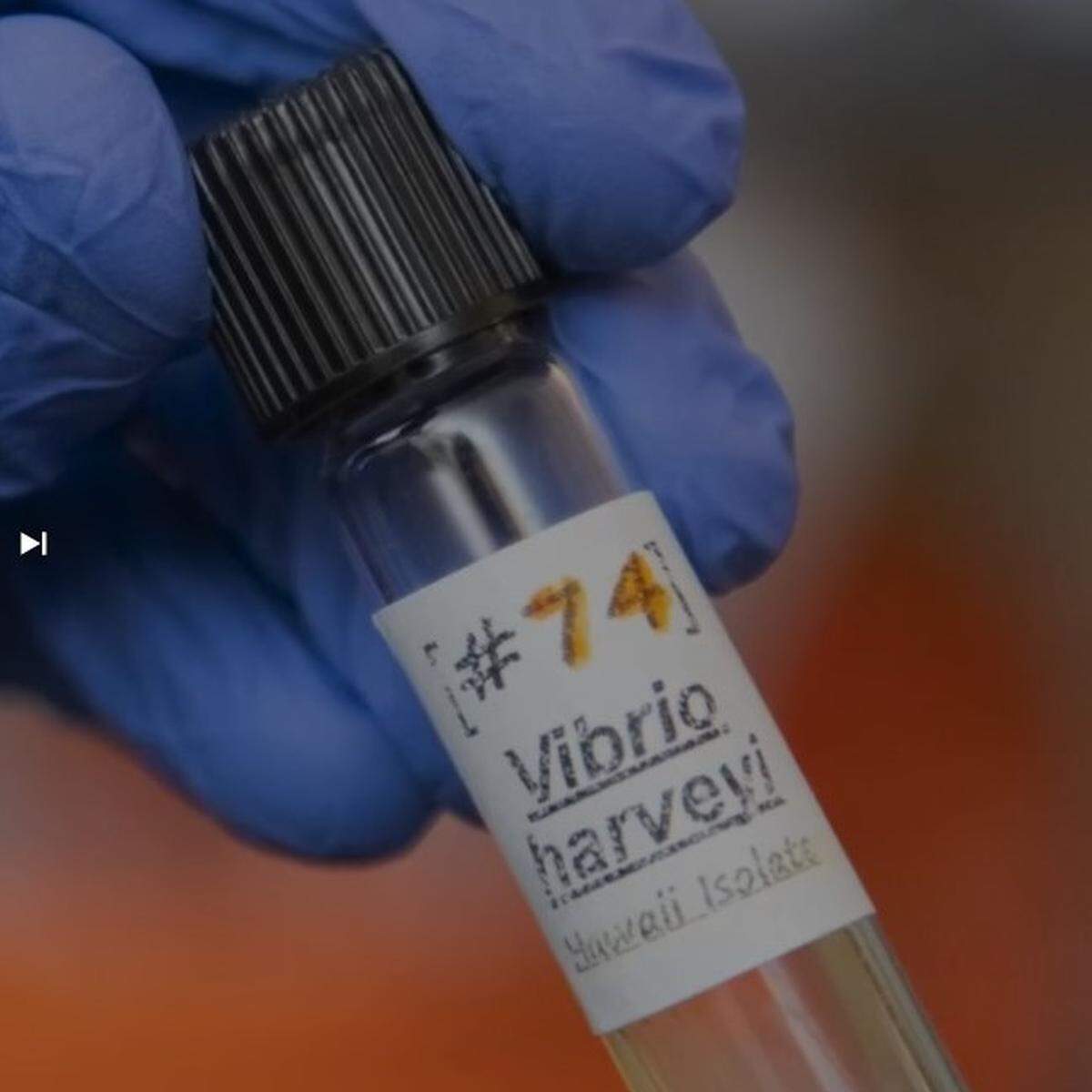
As the state searches for answers about the rising vibrio numbers, information about the microbe is being hampered by a loss of federal funding for research.
The warning system USC was working on in collaboration with researchers in Maryland would have identified times when vibrio was in a highly infectious phase so that people could be advised of the risk in areas with outbreaks. Some forms of vibrio are more dangerous at times than at others. Some can lie dormant until certain events stir them up, causing them to be highly infectious..
“If we had gotten that funding, it would have been a great step forward,’’ Scott said, noting that “What we really want to know is when vibrio forms virulent strains. That is what we were trying to do. It would be more of an advanced warning system.’’
Since 2019, USC’s health school has been the headquarters for a multiuniversity research center studying climate, oceans and the effects of climate on human health. The center included vibrio studies, as well as studies on other types of toxic microbes in water.
Among other things, center researchers found that vibrio exposure was more likely to sicken older, heavier people with liver problems more than young people. University researchers also have learned more about how the microbes clump together and become more toxic and that exposure to metals can make vibrio more resistant to antibiotics.
The $5.7 million allocation for the research came from the National Institute of Environmental Health Sciences, said officials with USC’s Arnold School of Public Health. The university lost out because federal officials wanted the focus of a new grant to include more about oceans, Scott said. Scott said the funding cut was not connected to budget trimming by the Trump administration.
Other universities, including Baylor, the College of Charleston, the University of Maryland and The Citadel, had been part of the collaborative research effort.
In addition to the loss of research money for vibrio, people who frequent boat landings, salt marshes and other areas along the coast aren’t warned through caution signs that vibrio could be in the water.
None of the state’s environmental or health agencies post vibrio warning signs because they don’t see it as a threat common enough to warrant signs.
Karan Gordan, a York County resident who was with the fisherman who died at Edisto in 2017, said that attitude needs to change. If signs had been posted, people like her friend who died might have heeded the warning, she said.
“It would be great for them to have that, at least for people who have health issues,’’ Gordon said. “It would have been nice to have known about it.’’
The Department of Environmental Services says some signs are posted warning the public about hazards in coastal waters, including waters with too much bacteria for safe shellfish consumption. The state also posts warning signs in some places about PCBs and mercury, both toxic substances tied to serious health problems.
Officials say many microbes that live in salty creeks and freshwater rivers can make people sick, aside from vibrio, including E. coli, which can cause upset stomachs; Naegleria fowleri, a brain-eating amoeba; and toxins produced by harmful algae.
Many messages are sent out to the public in other ways, such as news releases and information on department websites, the state’s environmental department says.
“Our agency’s routine messaging advises the public to be cautious of all possible health impacts when swimming in a natural water body, whether the ocean, a lake or a river,’’ according to a statement from environmental services spokeswoman Laura Renwick.
“A large part of our messaging centers on not swimming in a natural water body if you have open cuts or wounds or a compromised immune system,’’ she wrote. “Additionally, our shellfish safety messaging focuses specifically on vibrio vulnificus precautions when consuming shellfish’’
This story was originally published November 24, 2025 at 6:00 AM.